
Turkish authorities at the Kocaeli deportation center beat refugees and denied them access to basic hygiene facilities, according to Kurdish journalist Zanyar Aziznezhad. He also claimed they used the threat of deportation to profit from and traffic refugees, in an interview with The Jerusalem Post as he recounted the year he spent there after fleeing political persecution in Iran.
Aziznezhad, who was recognized by the United Nations High Commissioner for Refugees (UNHCR) as a political refugee in the Kurdistan Region of Iraq, fled Iran in 2018 over fears of political persecution. From Iraq, he traveled to Turkey, where he remained for a year from 2023-2024, with the threat of deportation hanging over him despite the UNHCR’s recognition.
Arrested on July 4, 2023, Aziznezhad said he was first held overnight in a crowded room with 40 other people, without access to water, food, blankets, or basic hygiene supplies. He was then moved to a small room measuring just 12 square meters, designed to accommodate four people but housing 12.
“Human dignity was completely disregarded there, and we were allowed no personal belongings. We were only permitted twenty minutes outside per day, and during our detention, we were subjected to torture, beatings, and harassment,” he told the Post.
The discussion came after unconfirmed reports in Turkish and Israeli media, first published by i24NEWS, that Israel was considering filing a case against Turkey at the International Criminal Court over its treatment of Kurds and alleged funding of Hamas. Though the Foreign Ministry declined to comment to The Post on the reports, Aziznezhad said he would like to see Turkey face justice for its crimes.
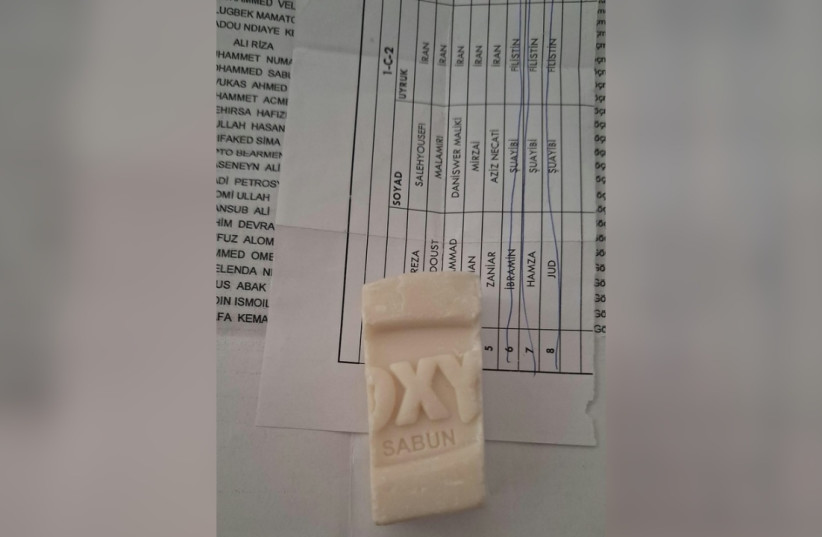
Detainees had no proper shower facilities, had to bathe in toilets
Describing a typical day at the center, Aziznezhad said meals arrived irregularly and often consisted of bread thrown into rooms in garbage bags or on reused single-use trays. During his brief daily period outside, he said detainees could purchase items such as cigarettes, but at a 500% markup. Each detainee was limited to one cigarette a day, and he said those caught smoking more were beaten by guards.
Aziznezhad said he was personally beaten four or five times for purchasing more cigarettes and described how he was taken to an officer’s room roughly every 15 days, where he was pressured to sign a deportation form.
“Even though I had submitted complete documentation showing I could not safely return to Iran, they kept putting me under pressure,” he said. “There were security cameras in the hallways, but none inside the rooms. They would drag you back, beat you inside the room with four or five guards, and try to force you to sign that paper. I refused to sign and endured that torture for an entire year.”
He said detainees had no proper shower facilities and had to bathe inside the toilets, which were “extremely unsanitary,” leading him to develop skin conditions multiple times. Medical treatment, he said, was provided only if detainees signed deportation agreements or were “on the verge of death,” while each detainee received just one small bar of soap per week.
Since 2015, the EU has allocated billions of euros to support refugees and host communities in Turkey, including €6 billion through its Facility for Refugees in Turkey between 2016 and 2020 and a further €3 billion for 2021-2023, according to the European Commission.
An Amnesty International investigation, with the name "Europe’s Gatekeeper," warned at the time that the EU risked becoming complicit in human rights violations through its migration cooperation with Turkey. The report documented unlawful detention, beatings, denial of access to lawyers and families, and forced returns at Turkish detention centers, including facilities that received EU funding. Amnesty also called for independent monitoring of conditions and the use of EU funds at such facilities.
Though Aziznezhad confirmed that there were occasional visits from Sosyal Gelişim ve Dayanışma Derneği (ASAM), a Turkish NGO that provides humanitarian aid and legal support to asylum-seekers, he said that authorities were careful not to allow the group to see the rights abuses and that no other international organizations visited during his time in detention.
Aziznezhad said men and women were housed on separate floors and allowed just 20 minutes of outdoor exercise each day. Although the center allegedly had recreational facilities, he said he never saw them and that officials would select refugees to showcase during visits by ASAM, creating “a false impression that human rights were being respected.” In reality, he said, “refugees were being used for political and human trafficking.”
'Trading human lives for profit'
Asked about the human trafficking allegation, Aziznezhad said Turkish authorities had begun rounding up people they believed might attempt to reach Europe, including families who had lived and established businesses in Turkey for years. He alleged that detainees were systematically forced to sign deportation forms so Turkey could claim it was intercepting and deporting economic migrants, allowing it to receive funding from human rights organizations and the European Union.
“They were systematically forced to sign deportation forms. Turkey did this to secure funds from human rights organizations, particularly the European Union, by claiming they were capturing economic migrants and returning them to their home countries to prevent them from reaching Europe,” he said. “It made no difference whether you were a political refugee, a social asylum seeker, or part of the LGBTQ+ community. People who had lived peacefully in Turkey for a decade were arrested at their homes overnight, brought to the camp, and forced to sign deportation papers.”
Aziznezhad estimated that roughly 11 buses of detainees were deported each week during the year he spent at the center. He also alleged that detainees were required to pay for their own flights through the partially state-owned Turkish Airlines before being allowed to leave.
“This is why I call it a human trafficking scheme; they were trading human lives for profit,” he said.
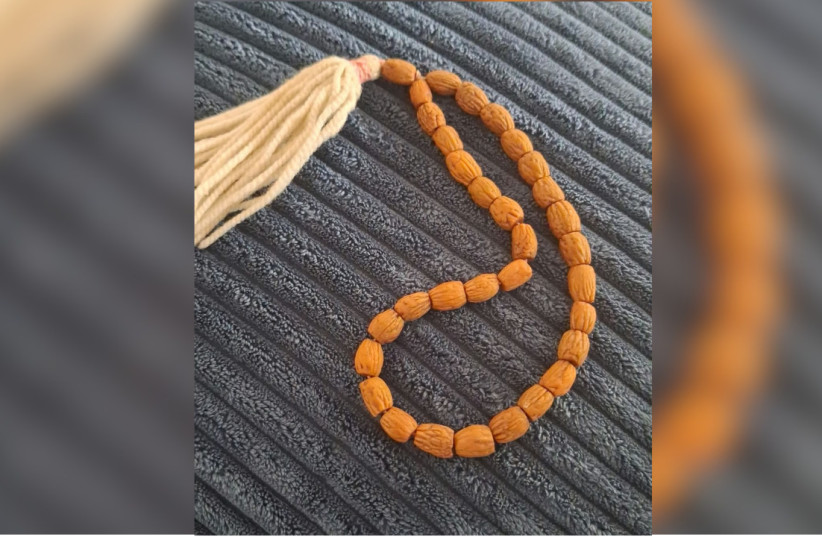
Aziznezhad said the fear of being returned to Iran, along with his hope of seeing his wife and two children again, helped him endure the year of mistreatment. He also shared photos with The Post of a prayer bead he made from olive pits, which he said brought him some comfort.