Iranians fear increased repression despite ceasefire, economic collapse
Amid a fragile ceasefire, Iranians face mounting concerns about their future, with an economy in tatters and fears of growing government control.

Amid a fragile ceasefire, Iranians face mounting concerns about their future, with an economy in tatters and fears of growing government control.


Speaking at a Turning Point USA event, Vance described talks in Islamabad as unprecedented, adding that meetings "at that level" hadn't occurred between the US and Iran in 47 years.

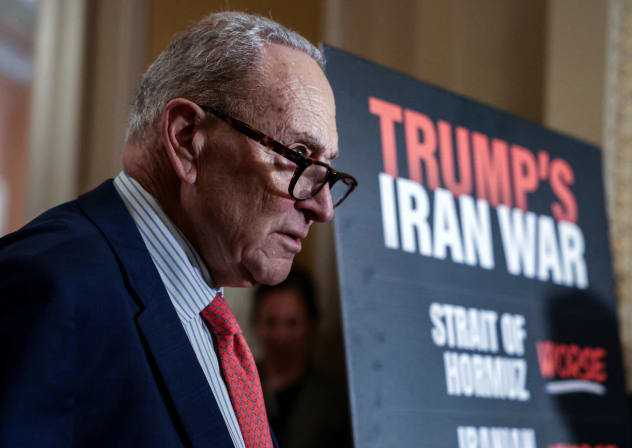
Democrats have tried and failed over the past few months to pass war power resolutions to limit US President Donald Trump's military actions in Iran.
"We are more inclined to go there," Trump told The New York Post, after reports surfaced of a new round of negotiations between the two countries.

"No ships made it past the US blockade, and six merchant vessels complied with direction from US forces to turn around to re-enter an Iranian port on the Gulf of Oman," CENTCOM said.

The closure of the narrow waterway, which normally carries around a fifth of global Liquified Natural Gas supplies, will have a rippling impact beyond the Middle East, Maximo Torero warned.

The collapse of US-Iran talks is casting doubt on the ceasefire, suggesting it may be a fragile pause rather than a path to diplomacy.

The 12-year-olds registering at mosques in Tehran may get the same chance to stop believing if the regime around them collapses.
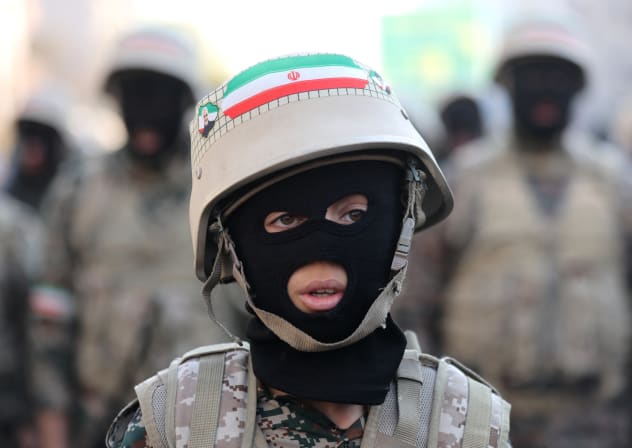
"We don't trust the United States," Iranian regime sources said on Tuesday, "and we are also being very busy preparing ourselves for the next round of war."

A proposal has been shared with both the US and Iran to resend their delegates to resume the talks, a source said.

Iran’s oil sales remain strong despite the ongoing conflict, with revenue allocated to repairing industry damage caused by wartime attacks, says the oil minister.
