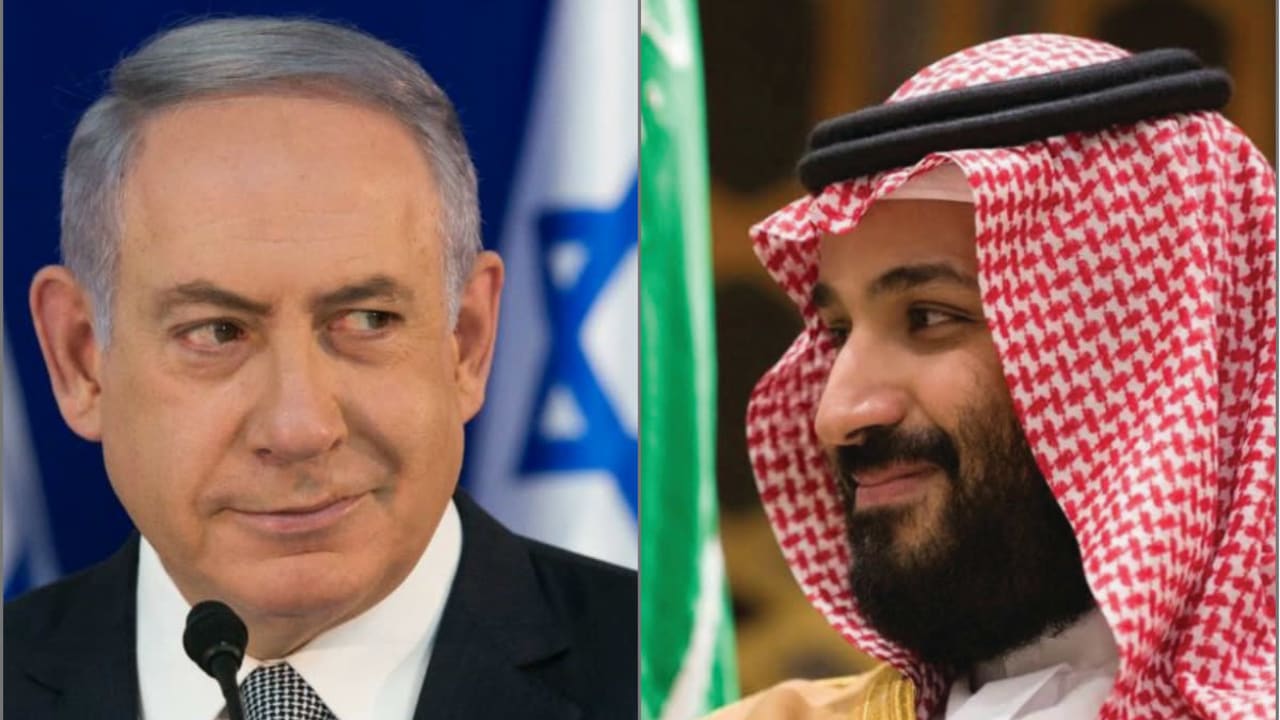
While talk of a “new Middle East” might seem premature, we are undeniably approaching a turning point, a moment when the wheels of diplomacy may turn again. That moment demands readiness, vigilance, and strategic foresight.
I have met quite a few Israeli companies that are already thinking ahead. They’re not sitting around waiting for some official announcement; they’re acting now. They’re busy reigniting and leveraging relationships they’ve built with regional partners, trying to figure out where the real opportunities will lie “the day after.”
The Abraham Accords may have stalled, but ties with the Gulf states never disappeared; they simply went under the radar. Now, there’s a real chance those agreements will expand.
Diplomatic and economic leap
In fact, speculation is growing about other countries – Saudi Arabia, Indonesia, even Lebanon and Syria – possibly joining future normalization efforts. If that happens, it will mark far more than just a diplomatic shift; it will trigger a significant economic leap forward.
Peace with our neighbors quickly translates into partnerships, trade, and mutual investment. Just the normalization of relations with Saudi Arabia and Indonesia alone could open massive new markets.

This won’t happen overnight. Yet when it does, the companies that planned will have a real advantage. We’re talking about large-scale budgets and real openness to Israeli innovation across sectors. Markets once seen as off-limits are starting to become accessible. Those preparing now will be first in line when the doors officially open.
Across the Atlantic
On the other side of the Atlantic, movement is happening too. In Washington, including circles close to US President Donald Trump, there are early signs of interest in revisiting the US-Israel trade framework, especially if the region enters a period of stability.
In a realistic scenario, we may see renewed efforts to ease tariffs on Israeli imports.
That could offer Israeli companies operating in the US a major competitive edge, helping to reestablish Israel as a preferred player in the American market, not only in tech, but in a range of industries.
At the same time, US companies are already eying the scope of reconstruction needed both in Israel and in Gaza. They’ll want to act fast, with or without local partners. We can expect investors to return, helping drive Israel’s hi-tech sector back toward its peak.
Fast and transformative era
We are entering a fast-moving and transformative era.
It highlights how crucial it is to be ready not just with the right tools and funding but with a strategic mindset. This is a rare opportunity to shape what comes next. Those who recognize key inflection points and arrive prepared won’t just take part – they’ll lead.
The Israel-America Chamber of Commerce represents around 200 international companies, making up a third of Israel’s economy. We’re committed to helping them seize this moment and shape what comes next.
The writer is the CEO of the Israel-America Chamber of Commerce.