Israel’s right-wing political movement stands at one of the most historic and dangerous crossroads since the founding of the Jewish state.
The catastrophic failures of October 7, 2023, did not simply reveal military vulnerability. They exposed a profound collapse of leadership, political judgment, and national accountability that shattered the Israeli public’s faith in the systems entrusted with preserving Jewish survival.
October 7 was not merely a security disaster. It was a moral and political earthquake. The massacre carried out by Hamas exposed the consequences of complacency, fragmented strategy, and failed leadership philosophies across Israel’s governing spectrum.
For Israel’s right, long viewed as the guardian of national security and Jewish continuity, this moment demands not cosmetic political adjustments but fundamental renewal.
For too long, Israel’s political landscape has been trapped between dangerous extremes. On one side stands the prolonged era of “Yes Man” politics, a leadership culture built around excessive personal loyalty to dominant political figures rather than collective national renewal.

Prime Minister Benjamin Netanyahu’s historic diplomatic achievements and strategic contributions to Israel’s global standing cannot be denied. Yet no democracy can remain healthy when institutional vitality becomes subordinate to one leader’s political longevity.
Zionism is a collective destiny
Israel is not meant to function as a permanent throne for any individual. Zionism was founded on collective destiny, moral courage, and national responsibility, not personality cults or political authoritarianism.
The time has come for the Israeli right to move beyond “Yes Man” politics. On the other side lies the ideological instability of evolving centrist-right political branding, most notably reflected in Naftali Bennett’s political model.
Bennett has attempted to position himself as a broad middle-right alternative, but for many principled Zionists, his political fluidity presents significant concerns.
In seeking to attract wide-ranging coalitions without sufficiently clear ideological boundaries, Bennett’s approach risks diluting Israel’s Jewish moral identity, national traditions, and core societal values, including public respect for Shabbat and foundational Zionist principles. A movement that seeks support from all sectors without strong philosophical anchors may gain electoral flexibility, but risks sacrificing moral clarity.
Israel does not need unstable opportunism any more than it needs entrenched authoritarian preservation.
It needs principled renewal. Likewise, Yair Lapid and all governing leadership figures must face transparent scrutiny. October 7 demands full national accountability from every leader whose governance contributed to strategic deterioration, including Netanyahu, Bennett, Lapid, and all relevant decision-makers.
As a Modern Orthodox Zionist, student of Rabbi Jonathan Sacks, graduate of Yeshiva University, and proud representative of the Ethiopian Jewish community, I believe Israel’s future depends on building a new right-wing umbrella movement capable of transcending blind loyalty, unstable branding, and fractured representation.
That future may be embodied through The Dawan Party (Light of Dawn), a new right-wing movement rooted in Jewish values, national security, democratic resilience, social inclusion, and collective moral leadership.
This movement’s power lies in its uniquely diverse leadership social capital: Benayahu HarShemesh, an Israeli farmer and advocate for underrepresented agricultural communities, offers essential grassroots expertise in rural security, land stewardship, and the struggles of Israel’s periphery.
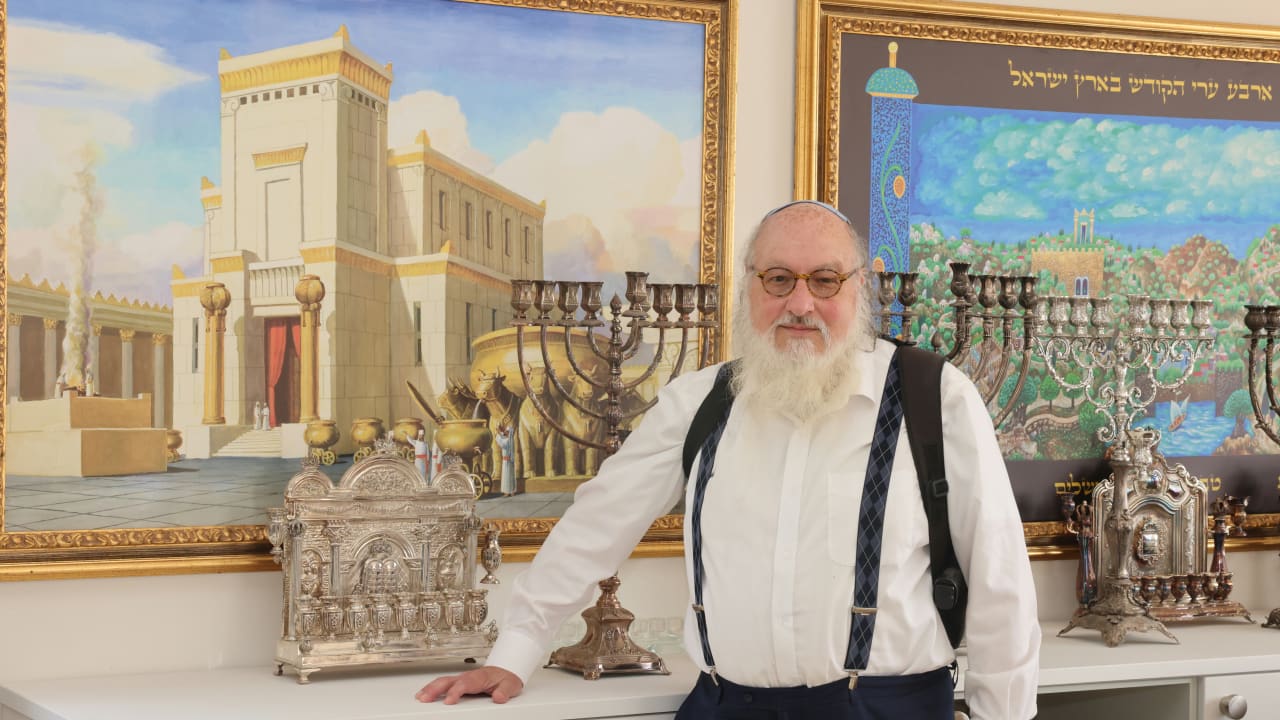
Jonathan Pollard symbolizes ideological perseverance, sacrifice, and the belief that what once seemed politically impossible can be transformed into national purpose.
Nissim Louk, father of Shani Louk, whose brutal murder by Hamas at the Nova music festival became one of the most horrifying symbols of October 7, represents perhaps the deepest moral voice of national pain and sacrifice.
His personal tragedy embodies the suffering of countless Israeli families and grants him unparalleled moral authority as a representative of Israel’s collective trauma, resilience, and determination never to allow such atrocities again.
Shmuel Legesse, as an Ethiopian-Israeli Jewish educator, public diplomat, and minority advocate, represents the loyal but underrepresented communities whose military sacrifice and Zionist devotion deserve far greater political inclusion.
Together, these leaders offer a “Yes We Can” model for Israel’s right: A right-wing movement that protects Jewish identity. A movement that demands accountability. A movement that includes farmers, bereaved families, minorities, patriots, and moral visionaries. A movement that stands for Israel’s land, people, traditions, and future.
Its mission would include: Removing failed “Yes Man” political structures that prioritize personal preservation over national survival. Rejecting ideologically unstable opportunism that sacrifices Jewish values for broad branding.
Demanding full accountability for October 7 from all responsible leaders. Strengthening Jewish national identity, democratic institutions, and moral governance. Investing in underrepresented Israeli communities.
Elevating bereaved voices like Nissim Louk as moral leaders of national resilience. Building a broad coalition of all Israelis who genuinely love the Jewish state.
Israel’s future cannot be entrusted to blind loyalty. Nor can it be entrusted to ideological ambiguity. It must be entrusted to courageous collective leadership.
The next chapter of Zionism requires “Yes We Can” leadership, leaders willing to unite Israel’s right not under one political throne, but under one national purpose. Because Israel’s survival depends not on preserving political dynasties.
It depends on renewing Zionism itself. The Light of Dawn Party, true to its name, stands as a shining national call to principled members of Netanyahu’s party, Bennett’s supporters, and all authentic right-wing leaders and lovers of Israel to come together under a new political home, one that places country above dictatorship, national purpose above personal ego, and collective responsibility above political thrones.
This renewal must be built by those who understand sacrifice, genuinely represent the people, defend Jewish values, and possess the moral courage to place Israel above self-interest.
Israel must immediately move beyond the dangerous mentality and political culture that suggests, “If I am not on the prime minister’s throne, then Israel is on the wrong path.” No one leader is greater than the Jewish state. Israel’s future depends on leaders who serve the nation, not themselves.
The author is a former NYC Supreme Court detective and an investigator and educator in conflict resolution, restorative peace, and a moral diplomacy expert. His upcoming book, Moral Diplomacy for a Broken World, is inspired by Rabbi Jonathan Sacks.