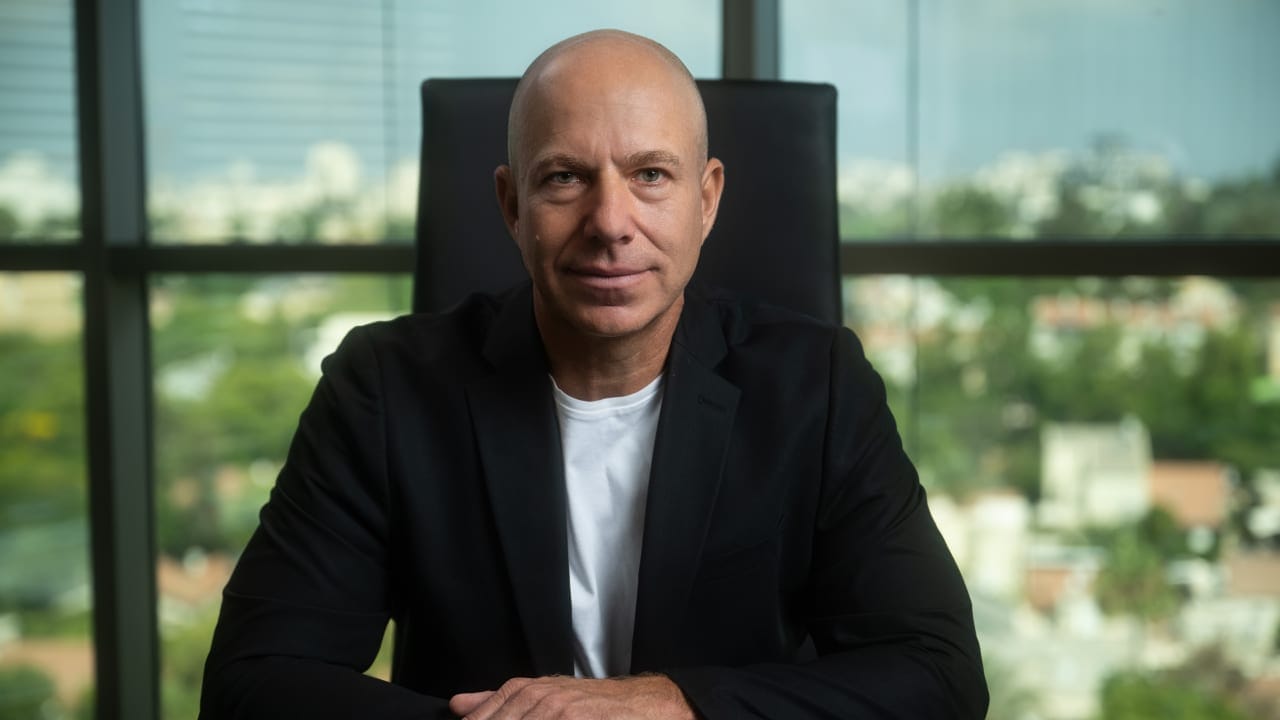
“Through my experience and work in sports, education, and Israel’s public sector,” says Ari Steinberg, Chairman of the Wingate Institute - home to Israel’s Olympic athletes and the country’s leading center for sports excellence, “I have witnessed—and continue to witness—the impact of the war on Israeli society, especially on the future generation of our country.”
Since October 7, he observes, Israeli athletes have been forced to endure hardships that no other athletes in the world have encountered. In Israel, training has been disrupted by war, professional leagues have had to cancel games, at times, halt entire seasons, and Israeli teams have lost the ability to host international matches at home.
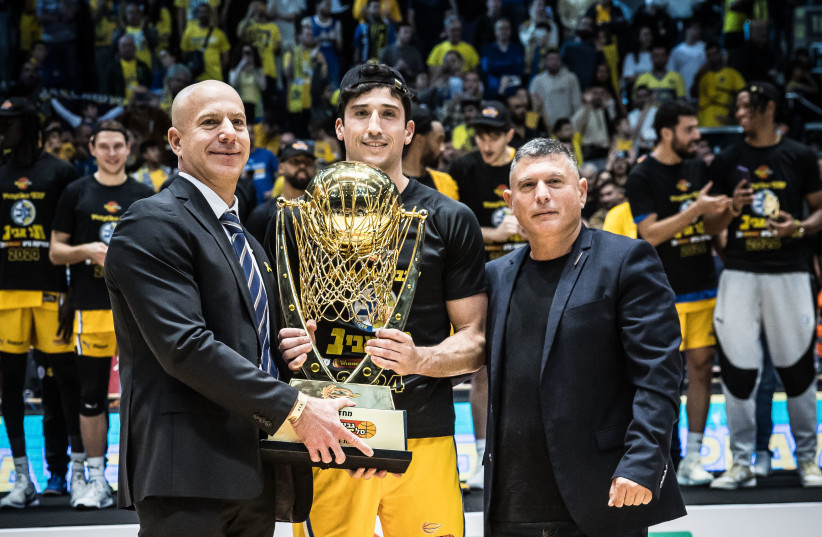
Leading Israeli athletes have been banned from international competition. Artistic gymnast Artem Dolgopyat, the 2023-2024 world champion in floor exercise and a silver medalist at the 2024 Paris Olympics, was barred, along with the entire Israeli delegation, from participating in the 2025 World Artistic Gymnastics Championships in Indonesia.
Many Israeli athletes have been unable to participate in individual competitive sports because either there were no flights to the countries hosting the competitions, or there were so few flights that they couldn't get a reservation. In these competitive sports, he notes, “If you are not in the competitions, you lose the opportunity to compete in the Olympics.” We have had three years of this,” he says sadly.
Steinberg points out that antisemitism has extended to fans as well, as evidenced by the ban placed on Israeli fans from attending the Hapoel Beersheba UEFA Europa League match against AZ Alkmaar in the Netherlands on October 15. “Our teams and athletes pay a price, and so do our supporters,” says Steinberg.
Despite rising antisemitism in international sport, Steinberg remains optimistic about Israel’s sporting future. He cites Tamar Steinberg (no relation), who won the Windsurfing World Title in September, Sharon Kantor, who won the silver medal at the same event, and Israel’s achievements at the European Judo Championships held this past April, in which Raz Hershko won a gold medal, Timna Nelson-Levy received a silver medal, and Yitzhak Ashpiz earned a bronze medal.
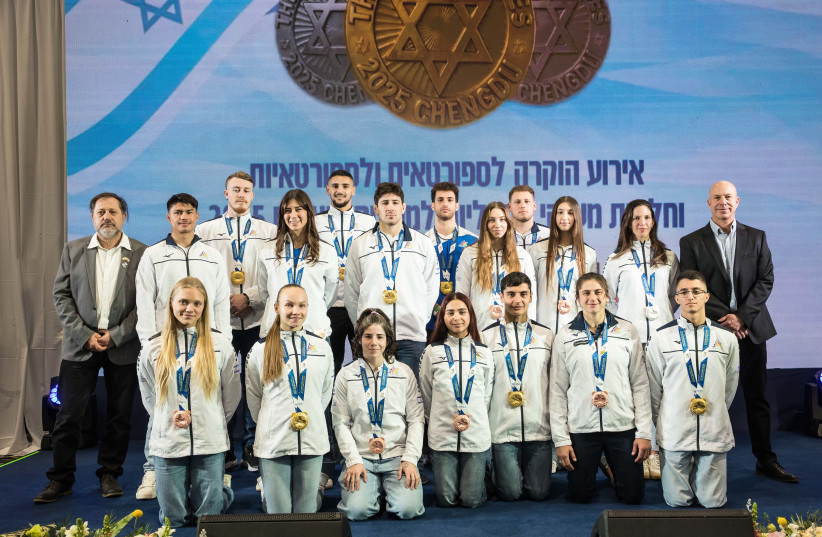
Appointed chairman of Wingate in December 2025, Steinberg is determined to use Israel’s national center for elite sport, training, sports science, and sports medicine to lead Israel to great sports accomplishments on the world stage.
“Sport is a powerful way to represent Israel and build bridges around the world,” he says. “We are resilient, we are moving forward, and we will not let war deter us from pursuing excellence and winning medals. Every competition is an opportunity to show Israel’s determination, talent, and spirit.”
Wingate, now in its seventieth year of operation, trains Israel’s Olympic, Paralympic, and other elite athletes. It operates the Wingate Academy for Excellence in Sports, a residential program for promising young athletes; trains and certifies coaches and instructors through the Nat Holman School; and provides physiological testing, injury treatment, rehabilitation, and research through the Ribstein Sports Medicine and Research Center. The institute also supports Israeli sports federations and national teams and promotes women’s sport through the Athena program.
What sets Wingate apart, Steinberg says, is its state ownership and funding, which give it a clear mandate: to provide Israel’s elite athletes with the best possible facilities. Wingate serves as a home for Israel’s top athletes in an all-embracing atmosphere. “It is a city for athletes where they receive everything. They live there, train there, eat there, and sleep there. They receive comprehensive support. It is their home, from the moment they are identified as promising elite athletes until they retire from competition. Some spend many years there.”
Although Wingate has been based in Netanya since its inception, it is planning to add branches in Israel’s northern and southern regions in the coming years. Steinberg says the reasoning behind the decision is “to make elite sport accessible to the periphery, bringing more athletes into competitive sport and creating a broader pool from which to identify our elite athletes.”
He explains that traveling from Israel’s periphery to Wingate can be difficult and presents a significant barrier. “Having to travel regularly from the South, or the North, to central Israel to fulfill an athletic dream and achieve the best possible results is very difficult.”
The Wingate branch in Southern Israel will be built in Beersheba. Local municipalities in the north will build the northern Wingate branch in partnership, and they have not yet designated its exact location. Steinberg expects that both will be fully functional within the next five to seven years. With three Wingate locations in Israel, he says, Wingate will have more elite athletes to choose from.
Steinberg notes that opening Wingate branches in the south and north will benefit more than sports. “In my opinion, this goes beyond providing sports facilities. It will be a real game-changer for employment and the image of a city and an entire region, and even culturally and socially. It will transform the areas where these facilities are established.”
One of the most promising developments in sports today lies at the intersection of athletics and technology—an area in which Wingate is actively expanding its work. Wingate has extensive research data on its athletes over the year, including nutrition, injuries, and rehabilitation. “We want to collaborate on analyzing the data to advance sports medicine for our athletes,” shares Steinberg. “These innovations will enhance sports itself.
“We have an innovation center. We encourage startups to come and physically work within Wingate, collaborating with us. We would have a stake in the startups themselves, to improve athletes’ performance.”
Steinberg provides one example of an app, currently under development, that will enable prospective Wingate athletes to submit performance data. Wingate would receive the data and assess their potential to become elite through remote testing. “Instead of having to travel to different locations for testing,” he explains, “athletes can be identified more easily. This makes the process easier for people who believe they have the potential to become elite athletes.”
Steinberg says officials at Wingate are also planning to build a new, multipurpose structure that will house Israel's most advanced sports facilities. “We intend to bring the world’s most advanced innovation in sports with this building. “Gymnastics will be based there, along with judo and several other sports,” he says. Construction is scheduled to begin early next year.
Wingate’s goals remain the same as they were when it opened in 1957: to provide the best possible sports facilities for the country’s elite athletes. In addition, Steinberg says, he would like Wingate to become the home of all of Israel’s sports federations.
Steinberg next recites one of his favorite sayings about the connection between sports and education. “Education is sports, and sports is education. They complement each other; they are the same thing.
“In the classroom, knowledge, values, and a sense of belonging are cultivated, while sports foster determination, discipline, and teamwork. Together, they shape the younger generation’s ability to overcome crises, take initiative, and build a better future. They are the foundation of our nation’s resilience.”He notes that Wingate also provides its students with a high school education, maintaining strong academic standards alongside athletic training, as reflected in their high grade point averages. Additionally, Wingate offers partnerships with Ariel and with Levinsky-Wingate Academic College for its students to study for bachelor’s and master’s degrees. Programs are designed in cooperation with these institutions to fit the training schedules of the athletes.
Another educational opportunity Wingate provides is its coaches’ school, which trains coaches in a wide range of sports, as well as fitness and Pilates. “We want to improve the standard of coaching and increase the number of coaches in Israel, and we intend to expand this school beyond Wingate, making it accessible in the South and the North and in other cities as well,” says Steinberg.
Steinberg is optimistic about Israel’s future standing in the region and says Wingate can drive positive change in this area. “I believe the Abraham Accords can be a growth engine for Wingate, allowing us to host athletes from participating countries and bring them here for training camps. We have much better weather for training. In turn, we can build better facilities because we can host athletes from abroad, rather than always having to travel elsewhere ourselves. I expect and hope that the state—which has entrusted us with this mission and for which we effectively work at Wingate—will help us with everything this requires.”
This article was written in cooperation with Ari Steinberg