Depression
Antidepressants don't fix a chemical imbalance, so what do they do? - explainer
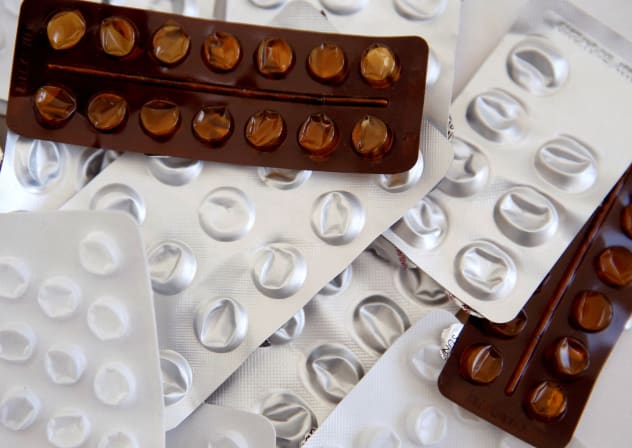
Antidepressants do more than alter serotonin. Scientists are exploring how these drugs change emotional processing, brain plasticity, and recovery.

For babies to thrive, the mother must, too - opinion

Definium's LSD-based drug lowers anxiety in second successful late-stage study

Defense in Lindsay Clancy case claims psychosis behind her killing her children
Healing overloaded minds: How Israel's prolonged war is affecting memory, concentration
“I’m functioning,” said Dana. “But I’m not myself. I can’t make simple decisions. I forget things. My brain feels stuck.” She wasn’t depressed. She wasn’t anxious. She was profoundly overloaded.

In 'Cuz You're Ugly,' Israeli director Sharon Angelhart tells the story she never saw on screen
Director/screenwriter Sharon Angelhart said that with her movie, she was trying to make a film that “was what I would have wanted to see when I was growing up in Jerusalem."

Mental health crisis spinning out of control
A global study across 204 countries found that nearly 1.2 billion people lived with a mental disorder in 2023: a surge of 95.5% since 1990, with anxiety and depression leading the increase.

Iran’s digital divide: Iranians without internet suffering from isolation, depression - study
Nearly every interviewee spoken to by Filterbaan mentioned wanting to leave Iran, in part due to the internet ban as part of a wider crackdown on personal freedom.

Trump’s mental health order pushes psychedelic research into the mainstream - opinion
Trump’s order is not perfect. and requires oversight, transparency, responsibility, and caution, but it does one thing right: it moves the system forward.

Study finds – women experience depression at twice the rate of men
Depression in women may appear in different intensities and forms, but behind the symptoms lies a complex combination of hormonal, psychological, and social factors.
Research ties GLP-1 injections to fewer setbacks in anxiety and depression
The study also reported a 42% lower risk of psychiatric hospitalizations and work absences during periods when patients were taking semaglutide compared with periods when they were not.

Researchers reveal the surprising reason for the rise in loneliness in the world
In the shadow of the war and the prolonged stay at home, experts warn that chronic loneliness has become a global health crisis.

Pharmaceutical companies are shaking: Israeli pharma company with breakthrough development
PsyRx develops a treatment to speed antidepressant effects using controlled ibogaine. Prof. Grutto: "We need solutions that grasp the medical urgency."

When tension with Iran feels like a weather forecast, depression isn’t surprising
From an evolutionary perspective, the human brain was not designed to live under extreme stress for long periods of time – and when it does, it pays a price.
