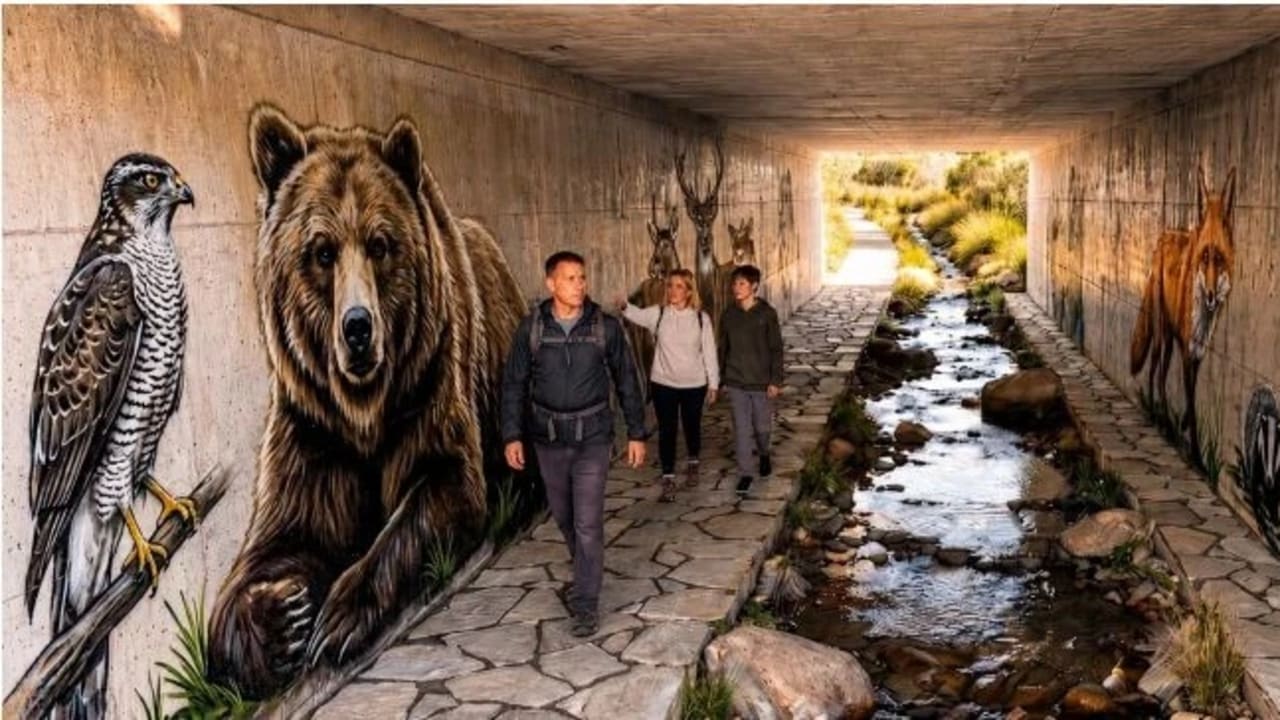
A green lung in the heart of Eilat, a new promenade leading between nature and heritage sites on the Golan, rehabilitation of marshes near Haifa, and a walking and cycling trail connecting Shlomi to the sea: The Open Spaces Foundation at the Israel Lands Authority has approved budgets for new projects across the country aimed at rehabilitating natural areas damaged over the years, establishing parks, and making nature accessible to residents and hikers.
The projects include rehabilitating streams and habitats, developing walking and cycling trails, building recreational facilities, and preserving heritage sites. Some are expected to be completed within about a year, while others will take several years. Here is a look at the eight initiatives approved.
Eilat: An urban nature park in place of a neglected area
A budget of NIS 3.9 million was approved to develop an ecological urban nature park called "A Place to Grow," across 2.9 hectares (7.2 acres) between Pardekin Garden and Binyamin Garden, in the heart of Eilat. The project, expected to last about two years, will turn a compound that was long neglected and suffered from waste dumping and makeshift paths without shade into a green lung and an urban nature space.
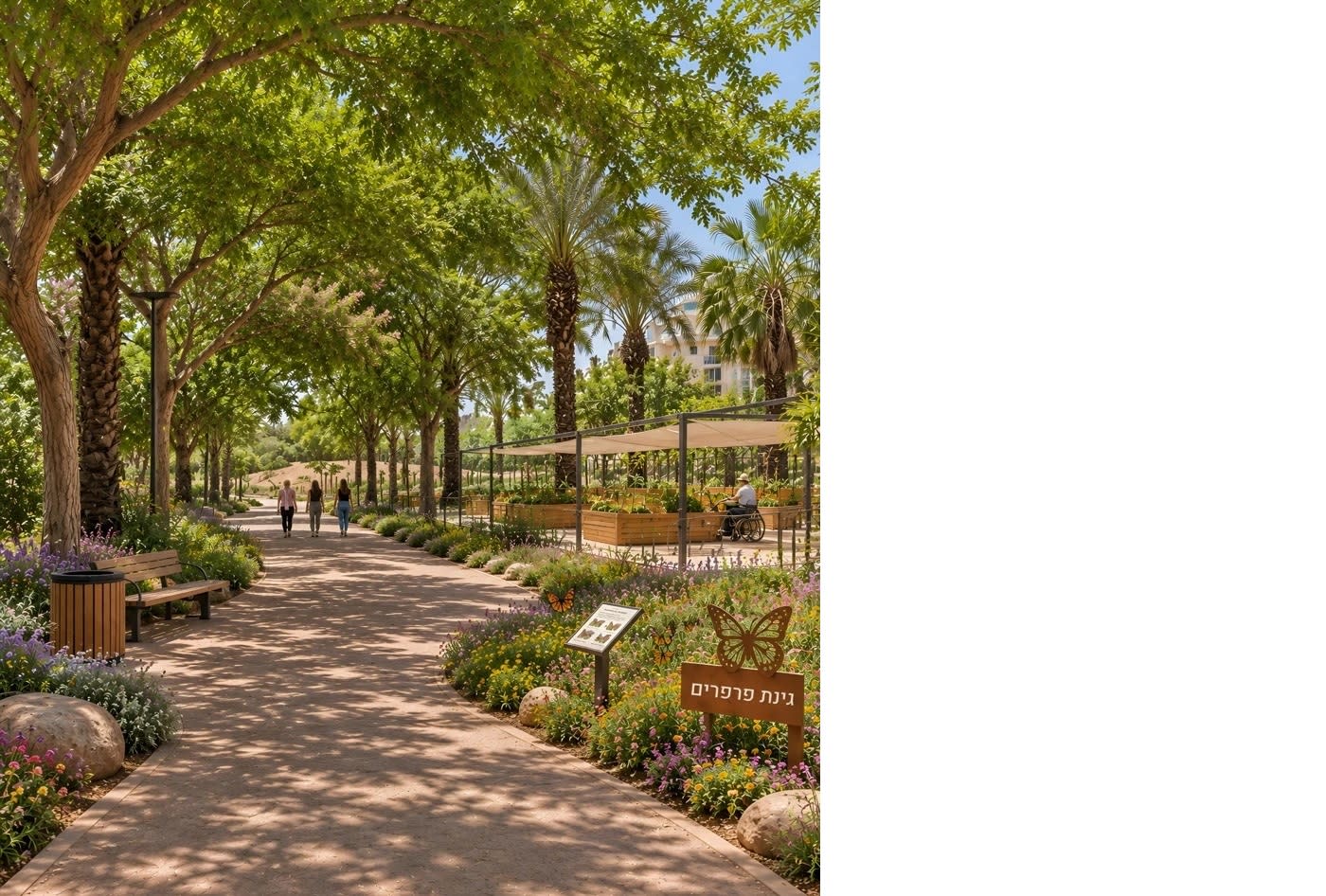
In the park, a shaded, accessible walking and cycling route will be built toward the sea, alongside the rehabilitation of heritage trees, the establishment of a "pocket forest" and butterfly gardens, recreation areas, and fitness and play equipment. One of the notable components in the initiative is the establishment of an employment center for young people on the autism spectrum. The work will be carried out with ecological guidance in order to preserve nature values and reduce heat loads.
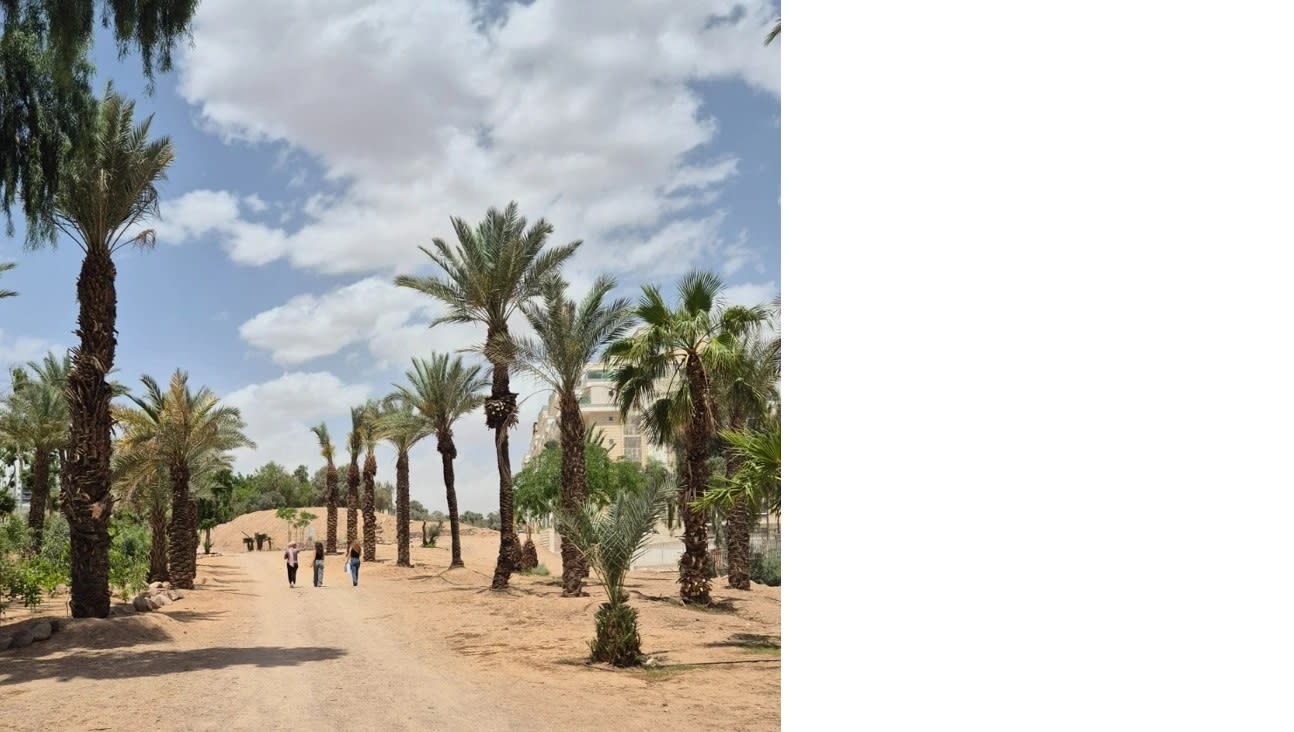
Katzrin: A promenade connecting nature and heritage sites
NIS 6 million were approved to develop and rehabilitate the Katzrin Stream and Forest Promenade, across an open area of about 14.3 hectares (35.3 acres). The project, expected to last about a year, will create a connection between Ancient Katzrin Park, Katzrin Stream, Hermon Promenade, and the Fahura spring.
As part of the initiative, a continuous walking and cycling trail network about 1.5 km. long will be prepared, shaded and accessible, based on existing forest paths and a water conduit already on site. The goal is to connect tourism, recreation, and nature hubs that are currently unlinked, while preserving habitats and ecological systems in the area.
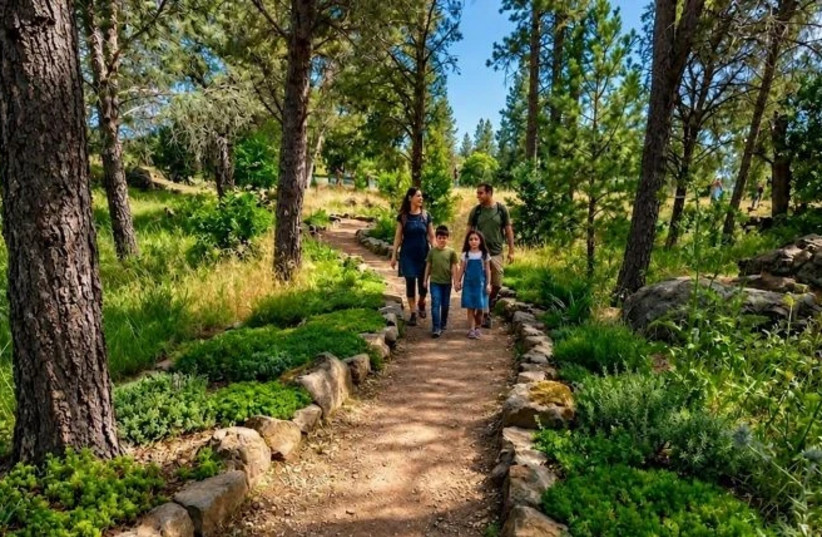
Tzipori Stream: Another part of a 30 km. promenade network
A budget of NIS 4.32 million was approved for the ecological and hydrological rehabilitation of lower Tzipori Stream, across an area of about 27.4 hectares (67.7 acres). This involves a section about 2.5 km. long, between Highway 70 and the confluence of the streams with the Kishon, expected to become an urban stream park as part of the planned metropolitan park within the Haifa Bay renewal effort.
The work, which will take about four years, will include treating invasive species, removing barriers, rehabilitating stream banks, and regulating walking trails based on existing dirt paths. The new trail will complete part of a promenade network with a planned length of about 30 km., along the corridor known as "From the Sea to the Jordan."
Har Agar: Rehabilitating a water pool from the Mandate period
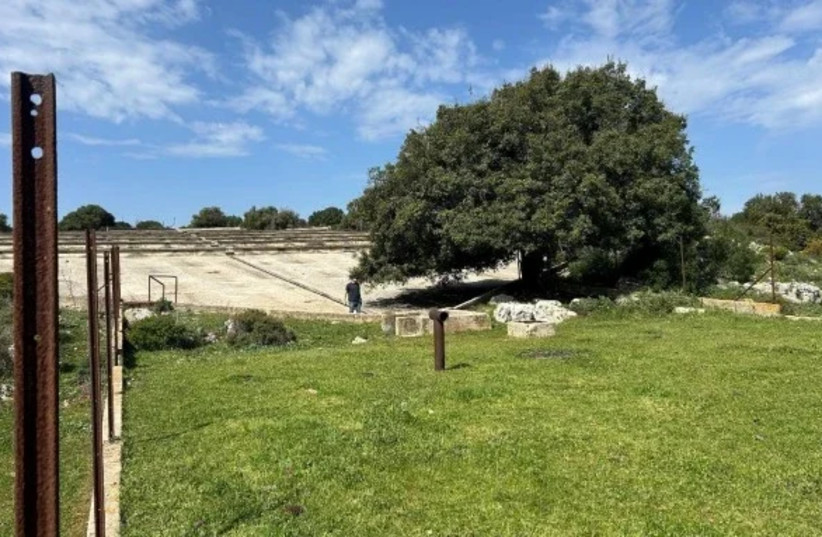
About NIS 3.89 million will be invested in preserving, rehabilitating, and making accessible the British pool at Har Agar, within the Ma'ale Yosef Regional Council. The site, established in 1940-1941 as part of the water supply system for the nearby police fortress, spans about 2.4 hectares (5.9 acres) in the heart of Mediterranean woodland.
The historic compound includes a covered storage pool with an area of about 350 sq.m. and a concrete rainwater collection surface spanning about 5,000 sq.m. and built on seven levels. Over the years, the site suffered from wear and tear, invasive vegetation, and unregulated use.
The work, expected to last about seven months, will include preserving the pool structure and collection surfaces, ecological rehabilitation, regulating hiking trails, developing an entrance plaza and parking, and building seating and observation points. In addition, signage and explanatory displays will be installed to tell the site's historic story.
Netivot: A new nature park in the Neve Sharon neighborhood
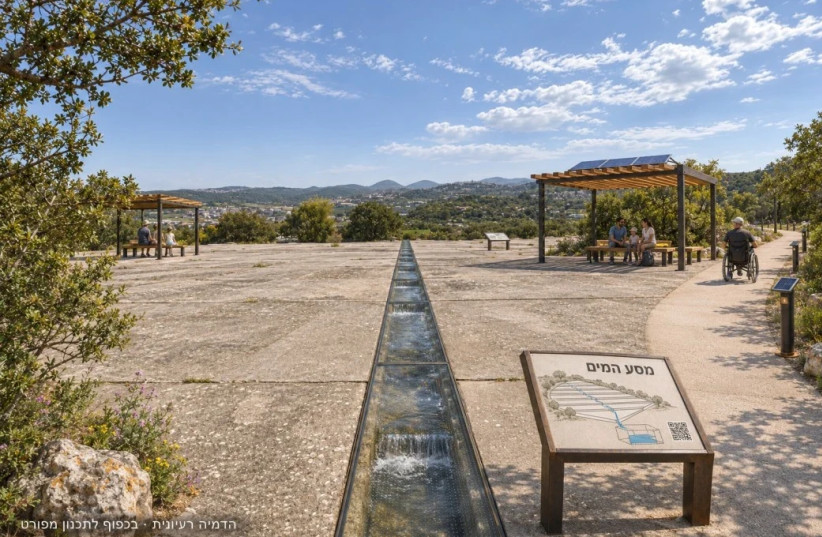
NIS 6 million were approved to develop the second stage of Bohu Stream Park, in the upper stream section in the Neve Sharon neighborhood in Netivot. The park will span about 10 hectares (24.7 acres), and the work is expected to last about a year.
The area, which suffered from construction waste dumping, invasive vegetation, and a lack of regulation, will undergo ecological rehabilitation that will include clearing waste, treating vegetation, and rehabilitating the stream badlands.
Alongside the rehabilitation work, walking, running, and cycling trails will be prepared, bridges over the stream will be built, along with play and fitness equipment, seating areas, and observation points. Explanatory signs about the natural world in the stream will also be installed at the site. The goal is to create an accessible connection between the city's neighborhoods and the natural space.
Ramat Yishai: Returning Beit Lehem Stream to nature
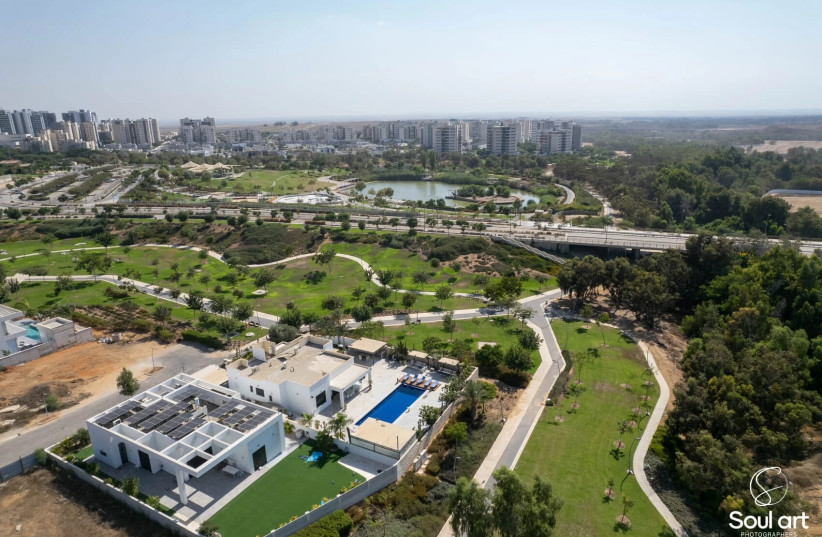
A budget of NIS 3.89 million was approved to rehabilitate and develop Beit Lehem Stream, across an area of about 35 hectares (86.5 acres). This is a perennial stream stretch about seven km. long, which serves as a main tributary of the Kishon River and a wetland habitat of high ecological importance.
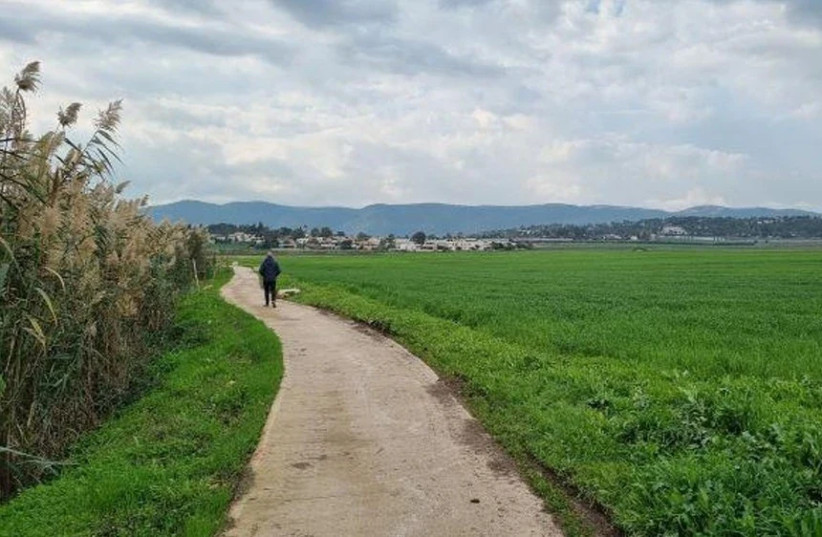
The stream was harmed over the years by channeling and concreting, siltation, agricultural pollution, invasive species, and routing parts of it into closed conduits. The project, expected to last about four years, will include ecological and hydrological rehabilitation, opening sections of closed conduits within the community, removing barriers, and rehabilitating habitats.
At the same time, a walking and cycling trail network will be developed. The initiative is intended to strengthen the connection between the nature and recreation areas in the Alonei Abba hills, the Jezreel Valley, and the Kishon River, and to restore the stream's function as an active natural system.
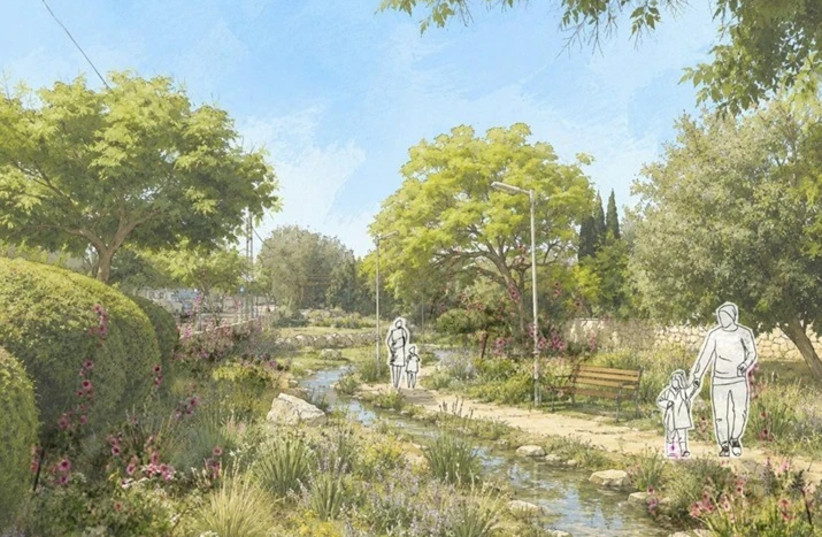
Haifa: The narcissus marshes return to life
NIS 6 million were approved to rehabilitate and develop Narcissus Marshes Park, in a section of the Kishon River near Haifa spanning about 14.4 hectares (35.6 acres). The area is part of the Kishon salt marsh, but over the years it was harmed by disturbances, pollution, waste dumping, and the placement of fill layers that damaged part of the drainage channels.
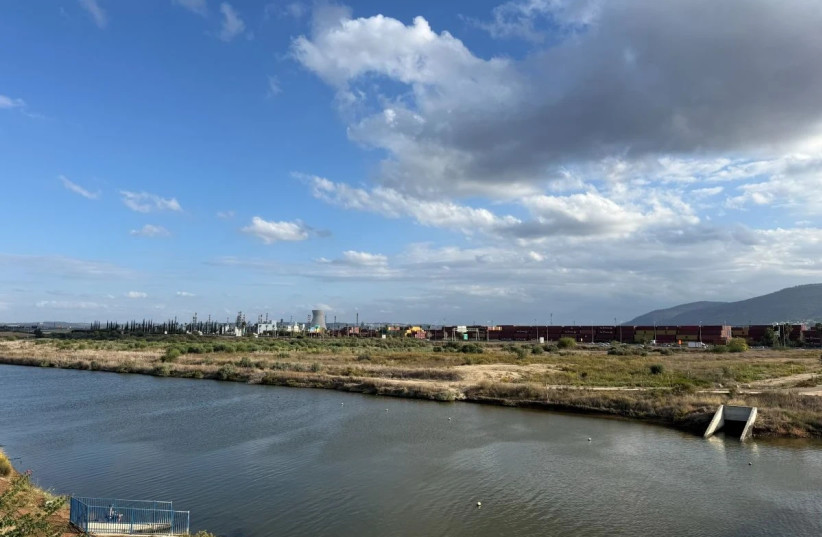
The work, which will take about two years, will include removing waste and fill, treating invasive species, and reducing grazing damage. In addition, terrain reshaping and rehabilitation of wetland habitats will be carried out, including salt marshes, winter pools, and meandering of the Kishon banks to create floodplains.
Local vegetation will be planted and seeded at the site, while protecting the common narcissus, and trails will be prepared to make the space accessible to the public. The project is part of the intention to create a network of metropolitan parks around Haifa and rehabilitate the ecological system of the Kishon.
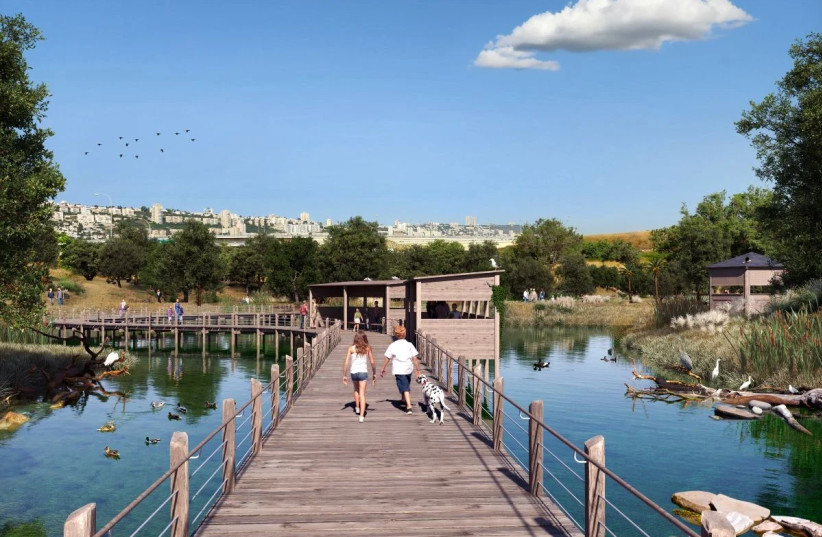
Shlomi: A new trail from the community to the coastline
The largest budget among the projects described here, NIS 5.39 million, was approved to rehabilitate and develop Hanita Stream and create a connection between Shlomi and the coastline. The initiative spans about 14.5 hectares (35.8 acres) along about 4.5 km., at the foot of the Sulam Tzor ridge and in an area characterized by natural woodland.
The project includes two activity zones: An urban-nature section in Shlomi, where Hanita Stream was channeled in the past and needs ecological and morphological rehabilitation, and an agricultural section on the Coastal Plain, between the Rosh Hanikra fields and Betzet beach, where there is a unique sand-dune habitat suffering from invasive vegetation.
As part of the work, the stream channel and its banks will be rehabilitated using natural means, alongside removing ecological barriers, treating invasive vegetation, and planting local bank vegetation. In addition, an accessible walking and cycling trail about 4.5 km. long will be prepared, with seating areas and signage on nature and heritage values. The trail will be connected to the Betzet Sands Reserve and the national coastal trail.
The work is expected to last about a year, and upon its completion a natural, accessible sequence will be created connecting the community, the stream, and the sea.
Since its establishment, the Israel Lands Authority, through the fund, has budgeted about 1,450 initiatives matching the fund's goals for a total scope of about NIS 2.4 billion. The fund operates in cooperation with government ministries, statutory authorities, local authorities, drainage and stream authorities, environmental municipal associations, government companies, and other bodies as set out in the decisions of the fund's board.
Every year, the fund works to identify and finance initiatives by publishing annual calls for proposals in the fields of execution, planning, surveys, research, and wetland habitats. Applications are reviewed according to the criteria and rules set by the fund's board and in accordance with the terms of the call for proposals and the law.
In addition to that, the fund budgets initiatives for which a government decision has been adopted, subject to their meeting the fund's criteria, and also helps rehabilitate nature damage and advance additional projects in open spaces matching its goals.