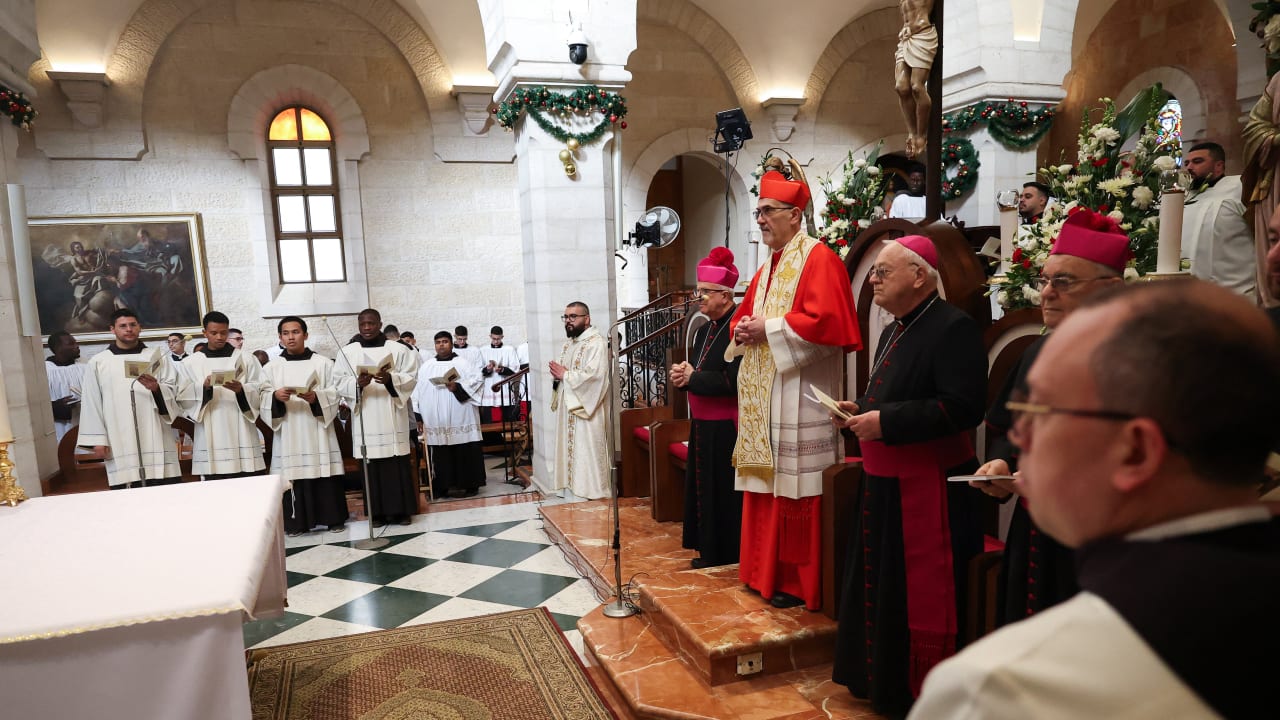
The International Christian Embassy Jerusalem (ICEJ) on Tuesday criticized a statement by the Patriarchs and Heads of Churches in Jerusalem that listed “Christian Zionism” among “damaging ideologies,” saying it misleads the public and harms Christian unity.
In a statement sent tothe media, ICEJ said its Zionism is biblical in origin and practice, and called for disagreements to be addressed through direct dialogue among Christians.
ICEJ argued that the modern return of the Jewish people to the Land of Israel accords with Old and New Testament promises and strengthens, not undermines, Christian faith. The group added that Christian support for Jewish restoration predates supersessionism and continues across many denominations.
The Embassy said belief in the Jewish return has been sustained from the apostles and early Church writers through medieval clergy to modern Protestant and Evangelical movements. It also pointed to sympathetic views among contemporary Catholic leaders, citing past comments by Cardinal Christoph Schönborn regarding the Jewish people’s deep attachment to their ancestral homeland and the significance of their return.

ICEJ hits back at Armenian patriarchs
ICEJ urged that any doctrinal disputes within the Christian community be pursued first “among brethren,” rather than via public statements or the media.
The Patriarchs’ statement warned that unnamed individuals were advancing “damaging ideologies,” including Christian Zionism, that could “sow confusion” and “harm the unity” of local Christians.
The wording drew attention after Armenian church leaders highlighted the claim, saying Christian Zionism threatens unity within the flock.
ICEJ concluded its response by reiterating that Christian unity is best served through open conversation, while the Patriarchs’ January 17 text continued to caution against “damaging ideologies” within the community.