Apple announced the new M5 chip – the next generation of Apple Silicon processors – alongside three updated products: iPad Pro, MacBook Pro, and Vision Pro. According to the company, the launch marks a leap in artificial intelligence and graphics processing performance, with improvements measured against previous M4 and M1 models.
The new chip is manufactured using third-generation 3-nanometer technology and integrates a 10-core GPU with a neural accelerator in each core, along with a CPU of up to 10 cores and a 16-core Neural Engine. Apple claims a more than fourfold increase in GPU computational performance for AI tasks compared to the M4, and up to 45% improvement in graphics performance in applications that support Ray Tracing.
In overall performance, the CPU delivers a 15%-20% improvement in multi-core workloads compared to the M4, depending on model and configuration. In addition, the unified memory bandwidth has been increased, and the company points to faster loading and encoding times, as well as more efficient support for running language models and ML-based creative processes directly on the device.
The new iPad Pro transitions to the M5 and adds updated communication components: An N1 radio chip with Wi-Fi 7 support, and cellular versions featuring a C1X modem developed by Apple, described as faster and more efficient than the previous model. According to company data, AI performance on the iPad Pro improves up to 3.5 times compared to the M4, and in professional creative environments, users report faster rendering, quicker video encoding, and improvements in graphics applications.
In terms of display and design, the iPad Pro remains ultra-thin and lightweight and is offered in 11-inch and 13-inch versions with an Ultra Retina XDR (Tandem OLED) panel, ProMotion refresh rate, and an optional nano-texture glass coating to reduce reflections. The model also supports driving external displays up to 120Hz, aimed at video editing and gaming use cases.
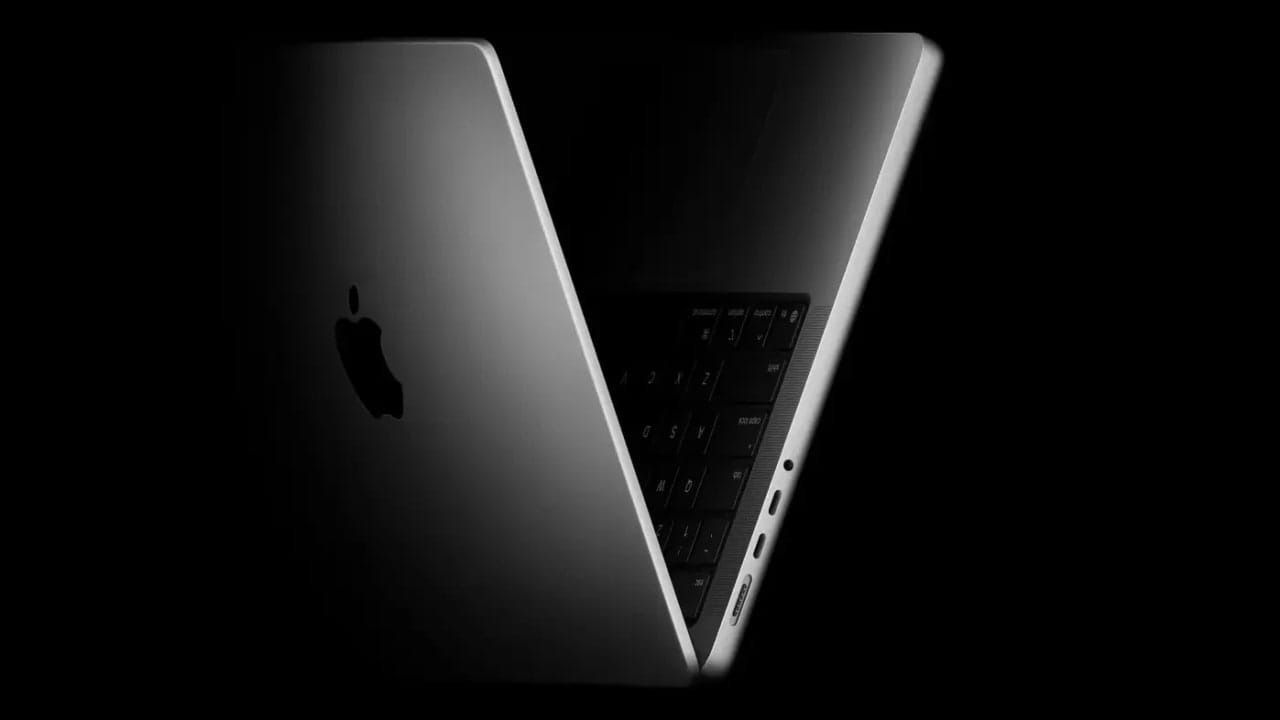
In the MacBook lineup, Apple is launching a new 14-inch MacBook Pro with the M5. According to the company, this marks up to a 3.5x increase in AI performance compared to the M4, and up to 1.6x improvement in graphics performance in professional applications and games. The upgrade also includes a faster SSD, storage options up to 4TB, and a battery rated for up to 24 hours of use — a spec designed to appeal to mobile professionals and local AI users.
The Vision Pro also gets an update
The updated Vision Pro also moves to the M5 and adds a Dual Knit strap for improved fit and comfort. On the hardware side, Apple notes about 10% more pixels rendered on the micro-OLED displays and a refresh rate that climbs to 120Hz, aiming to reduce motion blur and sharpen text and fine details. The faster Neural Engine is expected to shorten processes such as Persona creation and converting images into spatial scenes, while also improving performance in third-party apps.
Apple emphasizes tight integration with its software frameworks (Metal, Core ML, and Tensor APIs in Metal 4), ensuring that existing applications should benefit from performance boosts without extensive modifications. For developers, support for AI accelerators in the GPU core is expected to enable building dedicated computational capabilities directly on the device.

Pricing and availability
Pre-orders for all three products opened with deliveries and in-store availability expected to begin on Wednesday, October 22. The iPad Pro is offered at 11 inches starting at $999 and 13 inches starting at $1,299, with cellular versions priced $200 higher. The 14-inch MacBook Pro with M5 will be sold at a starting price of $1,599, while the Vision Pro with M5 and Dual Knit strap will start at $3,499.