
Israel and Jews throughout the world commemorate Holocaust Remembrance Day on Thursday, and as the Holocaust grows ever more distant in time, it is more important than ever to keep the memories of those who experienced it, and those who survived, alive.
The Jerusalem Post
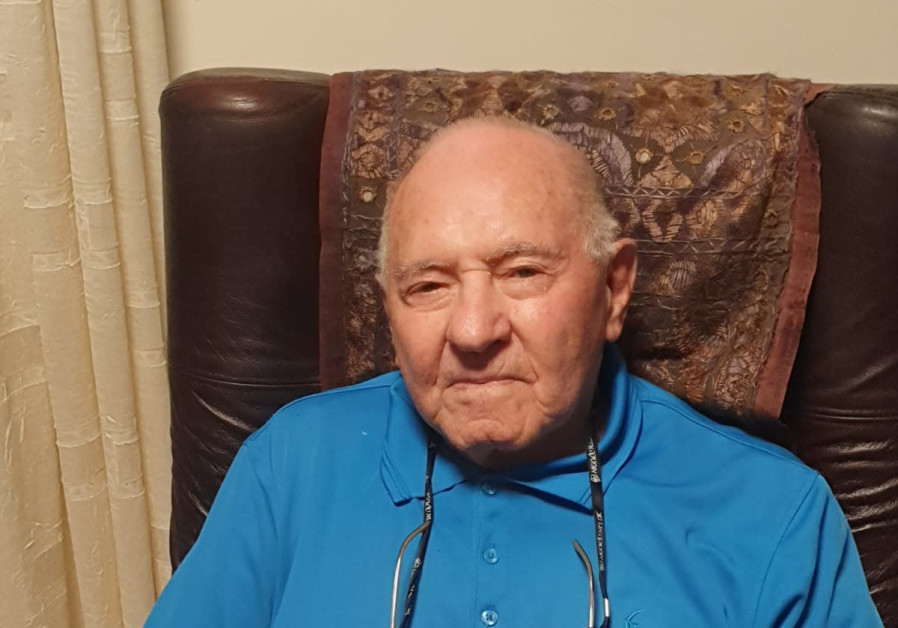
From Auschwitz to a kibbutz
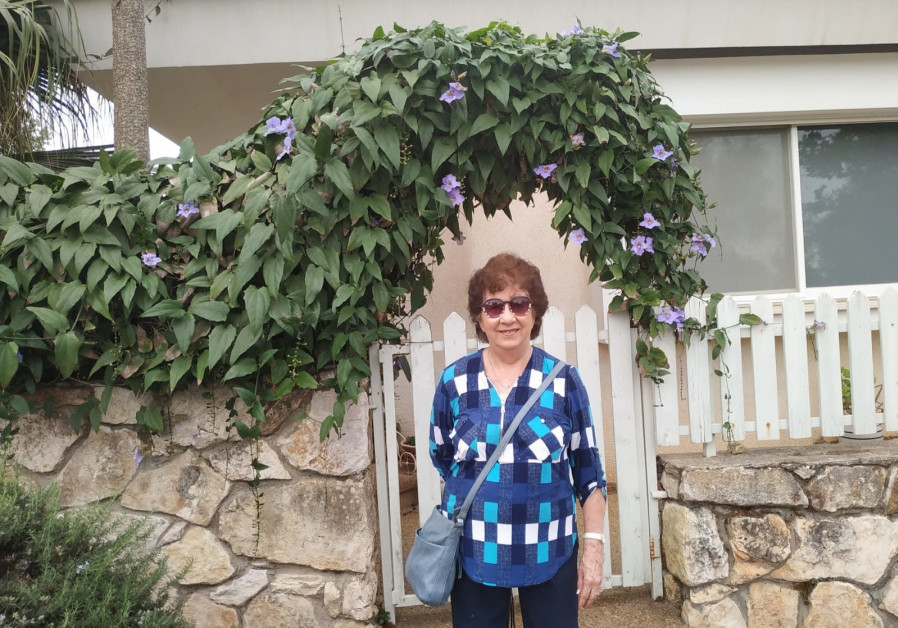
The Sabra stuck in Nazi Europe
Dalia Gavish’s story is maybe one of the more unusual Holocaust stories. Unlike most survivors, Dalia was not from Central or Eastern Europe, but was actually born in Haifa in 1937. Her parents were originally from Tarnow in Poland, and her grandparents and extended family remained there.In the early summer of 1939 she traveled with her mother to family in Poland so that her mother could receive medical treatment. Her father remained in Haifa, yet three months later war broke out and the two were stuck in Eastern Europe as the Nazis invaded.“The plan was that during the hospitalization I – a two-year-old toddler – would be with my grandparents. In May 1939 we arrived in Poland, innocent and unaware of the impending horror,” Dalia told the Post. “We were only supposed to be there for three months, and then war broke out in September.”All contact with Dalia’s father was lost, and for six years he was unaware of what had happened to his wife and daughter.They were interned in the Tarnow Ghetto with about 40,000 other people, during which time they suffered severe starvation and survived several selections by the Nazis.“Every day my mother had to go to work, and since she did not trust anyone – she took me with her,” Dalia told the Post. “An acquaintance of my mother’s would wrap me in his coat so that I would not be discovered, and we would leave the ghetto and walk to the Aryan side. I was ushered into a large hall that was actually a factory for making German uniforms, and there they would cover me.“Mother sat not far from me and sewed – and only in retrospect, when I became a mother myself, did I understand her feelings. The fear that the four-year-old girl would sneeze, and an inspector would come and take her child to her death.”One vivid image that sticks out in Dalia’s mind is that of the Germans’ uniforms which she saw every day. “Although I was a girl and did not understand everything, to this day I remember the fear I felt every time I saw the uniform. Mostly the black uniforms, the ones with the skulls on them.“I also remember the first time I felt hungry. I was very hungry.”After the liquidation of the Tarnow Ghetto in September 1943, Dalia and her mother were moved around from camp to camp and spent time in Bergen-Belsen. They were released in May 1945 and attempted to make their way back to Israel.“We boarded a ship, and in September 1945, on the eve of Rosh Hashanah, we arrived at the port of Haifa,” Dalia said. “My father was waiting for us at the port... and I started living again – free.”Dalia now has a son and two daughters, 10 grandchildren, and two great-grandchildren, and she is one of many survivors whose testimony is on record at the Ghetto Fighters’ House museum in the Western Galilee.Like Gavi, her survival has ensured the existence of future generations of Israelis and Jews, and that, as she says, is the ultimate victory: to have survived, and witnessed the future.Both Gavish and Gonen will be honored with lighting the torch at the closing ceremony on Thursday at the Ghetto Fighters’ House museum.