
The news recently reached Israel that Uzbekistan is promoting archival cooperation with Israel.
Uzbekistan is now officially researching and documenting the history of its Jewish community, which has existed in the central Asian nation since the region was crushed by the hooves of Genghis Khan’s horses. This also includes hundreds of thousands of Jews who managed to escape the chains of Germany’s Panzer tanks.
The Central State Archive of the Republic of Uzbekistan has been instructed to make information about the lives of Jews during World War II and before available to the public. The archive is also currently in the process of signing an agreement with the Central Archives for the History of the Jewish People in Jerusalem, and soon afterward also with Yad Vashem.
The Uzbek Republic’s archive, “Uzarchive,” comprises three national archives, including 101 district archives and 123 personal archives. The national archive has around nine million storage units, 550,000 of which are considered to contain valuable information.
“Now that access to information covering the years 1941-1945 is accessible, experts from Uzbekistan and Israel will be able to carry out joint research projects,” Uzarchive director Ulugbek Yusupov excitedly declared.
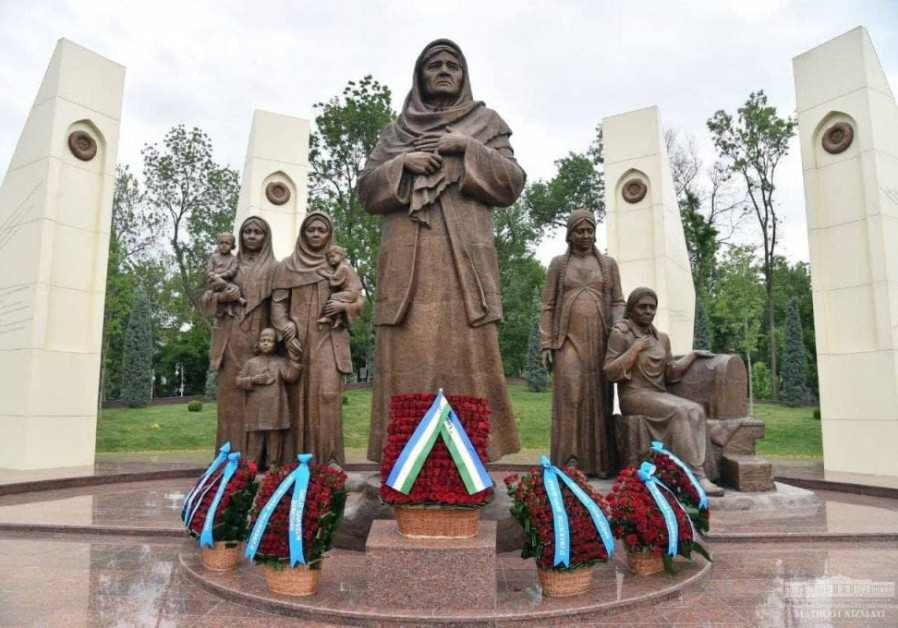
On May 9 the Uzbek Embassy in Tel Aviv marked Victory Day, a holiday commemorating the 1945 surrender of Nazi Germany. Meanwhile, a complex was unveiled last year in Victory Park, Tashkent, with support from Uzbek President Shavkat Mirziyoyev, to memorialize “the practical embodiment of our admiration for the people’s feat in that cruel war.”
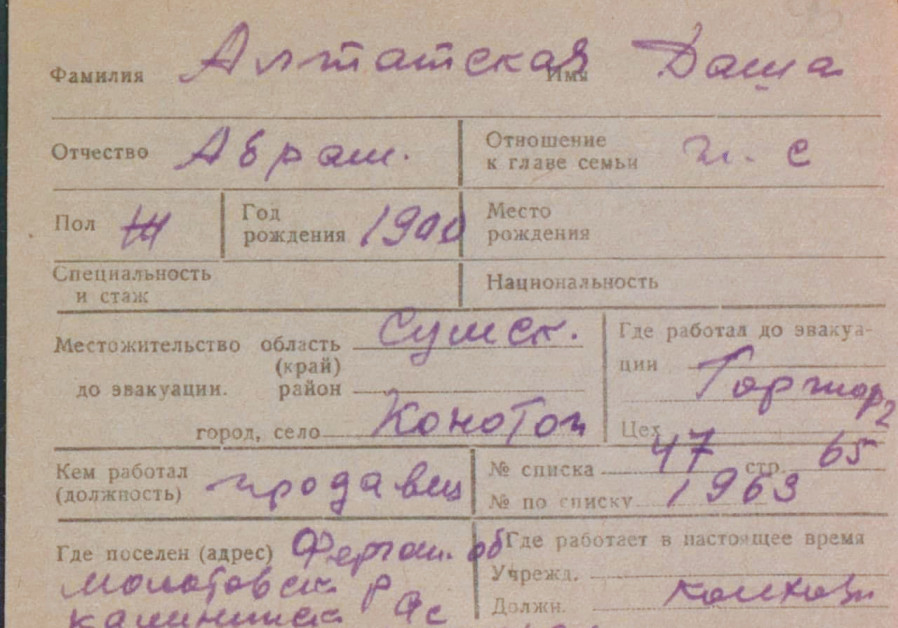
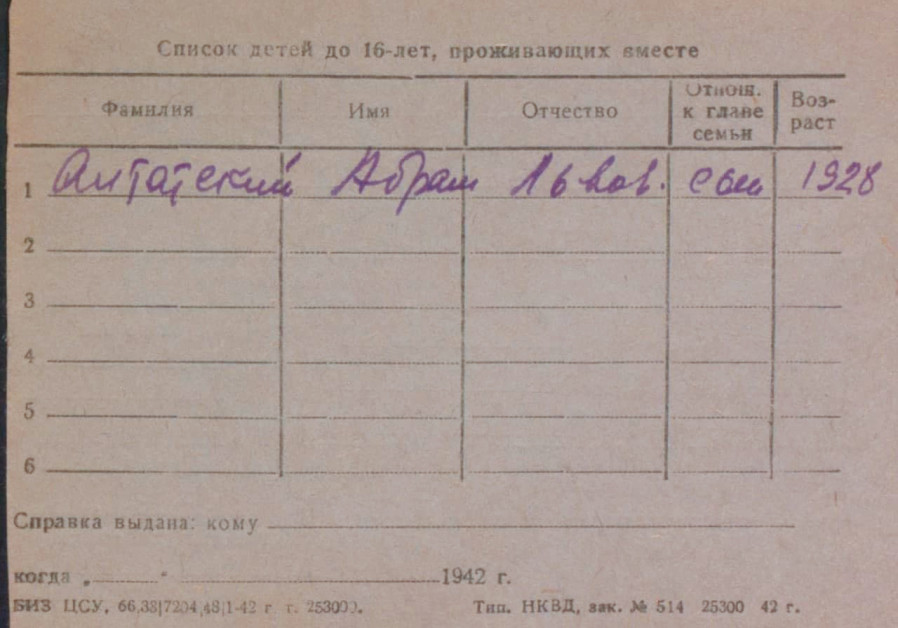
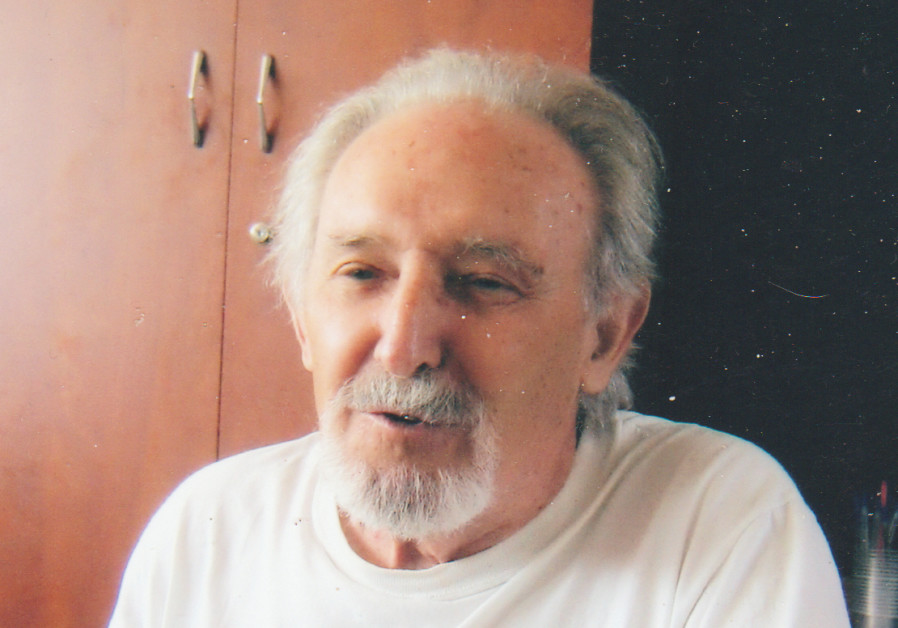
MAX WEXELMAN was born on July 15, 1931, in a small shtetl called Taplik, near the now-famous city of Uman, Ukraine. When he was a year old, the Holodomor – the Terror-Famine – took place, which led to the deaths of between three and 10 million Ukrainian nationals. In an attempt to save themselves, the Wexelman family fled to Tashkent.
The father of the family, Yitzhak, had fallen ill along the way. The Wexelmans were told that the only treatment available was in Moscow. Unfortunately, Yitzhak died before they reached the capital.
When the war broke out, Max and his mother set out to return to Tashkent. Having no money or accommodations, they found shelter in a small archival building. When he turned 14, Max began working in the archive, first in filing. Over the years, Max learned a great amount from Jewish historians who had also fled Europe for Uzbekistan and upon turning 18, enrolled at the university in Tashkent, majoring in history. It was inside these corridors that he met his wife Aida, the love of his life until his very last day.
Max authored a number of historical studies based on research he did at the archive in Tashkent, and wrote his doctorate on archival history.
“He was familiar with every single document in that archive,” remarked Max’s daughter Faina. “All you had to do was mention the name of a person or place, and my father could immediately locate all the relevant documents.”
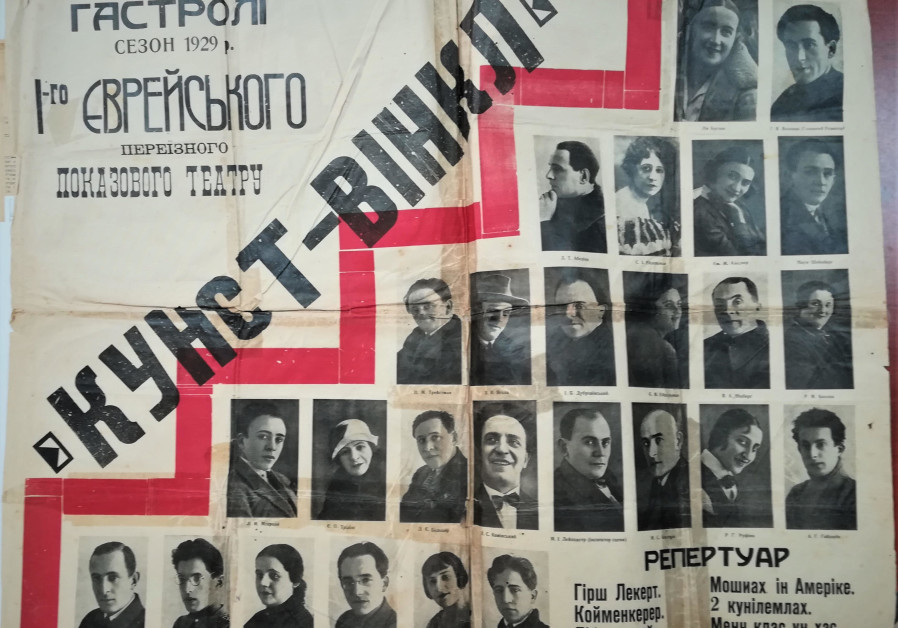
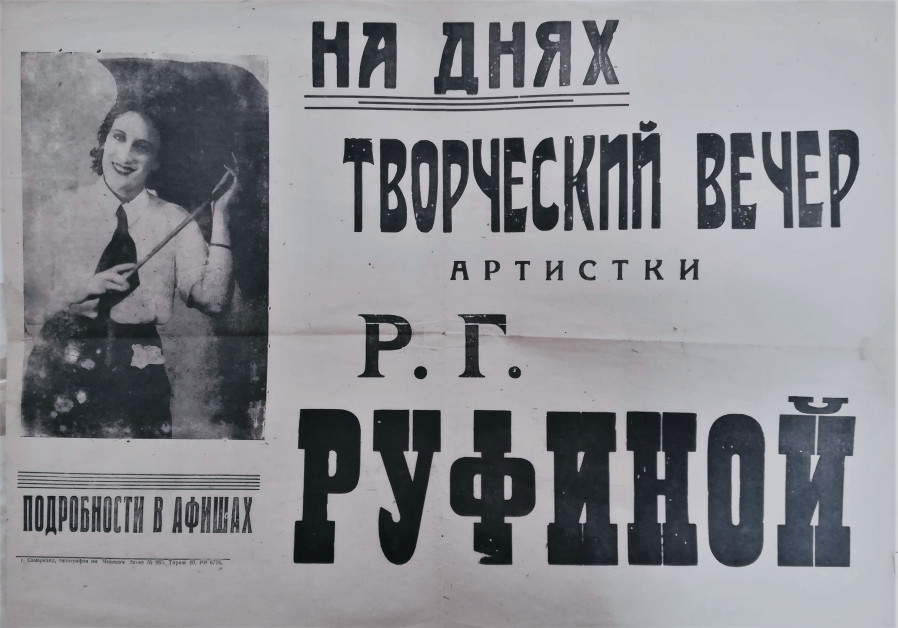
Max risked his life to speak about this topic in public. He talked about poets like Alexander Galich, and singer Vladimir Vysotsky.
After making aliyah, Max continued his research on the cultural and economic contribution of Soviet Jews. Although his Hebrew was weak, he was immediately hired by Ben-Gurion University of the Negev, where he worked for six years. Historian Benjamin Pinkus recognized Max’s worth, and made a great effort to procure grant money for him. Max published a number of articles in Russian-language periodicals, which were immediately translated into Hebrew. After retiring, Max spent a lot of time in archives across the former Soviet Union, where he photographed documents about the lives of Jews, then gifting them to the archive in Jerusalem. One of his all-time favorite subjects remained Yiddish theater.
Max was not content just to read written testimonies. He would also track down individuals who had been involved in Yiddish theater in Tashkent and interview them in person.
Max did not forget the warm welcome the Uzbeks had offered to Jews before and during World War II. So he suggested to Yad Vashem that it offer Uzbekistan the title of Righteous Among the Nations for saving so many Jews, but was told that this honor was reserved for individuals, and not for countries.
Even in his last years, when he could no longer travel, Max continued working.
“He was a wonderful grandfather and great-grandfather,” said Faina. “He loved talking on the phone with his great-grandson Yonatan who lives in Berlin. ‘I want to hug you, great-grandfather, because you are good and beautiful,’ he told my father during one of their last conversations.”
Just before his 90th birthday, Max Wexelman passed away at Soroka Hospital in Beersheba, with his daughter at his side. Engraved on the corner of his headstone are the words, “In memory of Yitzhak, father of Max,” who died during the journey from Tashkent to Moscow, and whose burial place is unknown.
“My father would be pleased to know that his father has been memorialized on his tombstone.”
Thank you, Uzbekistan.