
A Tel Aviv resident was diagnosed as Israel's first patient with West Nile fever in the summer of 2026, the Health Ministry and the Environmental Protection Ministry announced on Thursday.
After the resident was diagnosed with the disease, the local authority was instructed to increase prevention, monitoring, pest control, and public information measures.
However, tests conducted since the start of the season have not yet found any female mosquitoes carrying the virus.
The announcement from the ministries did not provide any information about the patient's age, medical condition, or where they were apparently bitten by the virus-carrying mosquito.
Their residence within Tel Aviv does not necessarily indicate that the infection occurred within the city, since a person may also be bitten while in another area, and only later develop symptoms and undergo a medical examination.
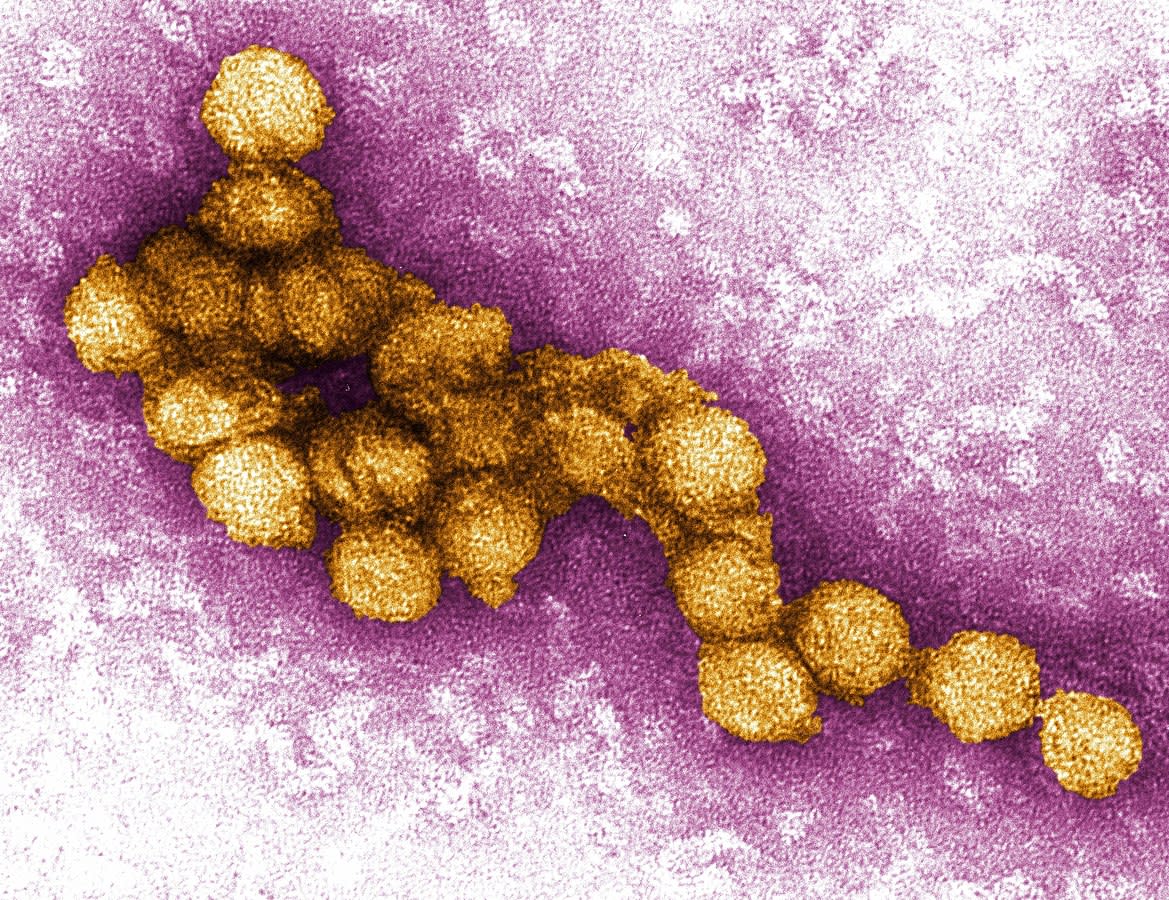
What is West Nile fever and what are its symptoms?
West Nile fever is a viral disease transmitted to humans mainly through the bite of a female mosquito that previously fed on a bird carrying the virus.
The disease is generally not transmitted through routine contact between people, and the virus’s main transmission cycle occurs between birds and mosquitoes. Humans and other animals may become infected after being bitten, but usually do not continue spreading the virus in the environment.
“West Nile fever is a disease transmitted to humans through the bites of female mosquitoes that feed on infected birds,” explained Prof. Siegal Sadetzki, head of the Public Health Directorate at the Health Ministry.
“In most cases, it is a mild disease without symptoms, but in exceptional cases, severe symptoms such as inflammation of the brain or the membranes surrounding the brain may also appear,” she added.
Some of those infected may develop fever, headaches, weakness, muscle and joint pain, a rash, nausea, or diarrhea. In rare cases, damage to the nervous system may develop, expressed through meningitis, encephalitis, confusion, unusual drowsiness, muscle weakness, or impaired consciousness. The risk of severe illness is higher among older adults and people suffering from suppression of the immune system.
The first case was discovered during a period when environmental conditions in Israel are becoming particularly favorable for mosquito reproduction. Heat, humidity, and sources of standing water allow female mosquitoes to lay eggs and rapidly increase the mosquito population. Even a small amount of water left for several days at the bottom of a flowerpot, in a bucket, an old tire, or a container left in a yard may become a breeding site.
The Environmental Protection Ministry noted that every year, from the beginning of June until the end of November, the prevalence of female mosquitoes that may carry the West Nile fever virus is expected to increase. Throughout the year, ministry teams conduct thousands of tests of mosquito larvae and hundreds of captures of adult mosquitoes across the country. The captured mosquitoes are transferred to Health Ministry laboratories for identification and testing.
Mosquito monitoring is carried out using traps placed at selected locations, and therefore serves as an important tool for the early identification of risk areas and for directing pest control measures. However, the absence of findings in the tested traps does not eliminate the need for personal protection against bites.
“The Environmental Protection Ministry carries out continuous and ongoing monitoring throughout the country all year, with an emphasis on the mosquito activity season,” said Dr. Shay Reicher, director of the Pests and Pest Control Department at the Environmental Protection Ministry.
According to him, local authorities are instructed to increase prevention, monitoring, and pest control measures in accordance with the findings.
Reicher stressed that the public has a central role in reducing the risk. “Drying sources of standing water and using protection against bites are simple and effective steps that can prevent mosquito breeding and reduce the risk of exposure to the virus,” he said.
What protective measures can people take against the risks of catching the disease?
The ministries called on residents to inspect yards, balconies, roofs, and shared areas, and to empty water from buckets, flowerpot saucers, old tires, barrels, blocked gutters, ornamental pools, and any other container that may collect water. It is recommended that the inspection be repeated at least once a week, especially after watering, cleaning a balcony, or using children’s pools.
During nighttime, it is recommended to use mosquito repellents, install intact screens on windows and other openings, and wear long, light-colored clothing outside the home.
Operating a fan directed toward the seating area may make it more difficult for female mosquitoes to reach exposed skin. Residents who identify an unusual concentration of mosquitoes or a source of standing water in a public area are asked to report it to the local authority’s 106 hotline.
Responsibility for addressing mosquito hazards in public areas lies with the local authorities, but the Health and Environmental Protection ministries stressed that rapid reporting by residents is essential for locating breeding sites. Following a report, the authorities can drain water, clean channels and drainage systems, conduct monitoring, and carry out targeted treatment against larvae or adult mosquitoes.