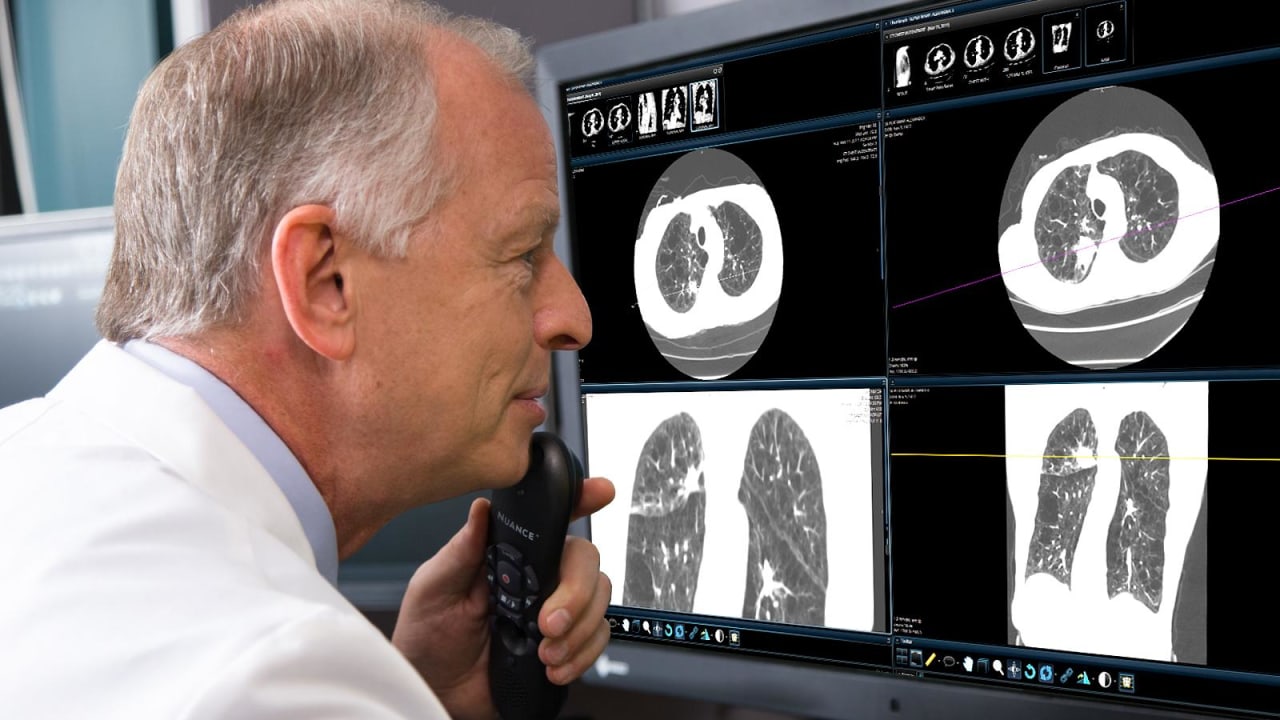
Mesothelioma is an uncommon cancer associated primarily with asbestos exposure. It is a notably aggressive form of cancer that manifests by attacking the thin layer of tissue covering your internal organs. This protective tissue exists to keep fundamental organs, such as your heart or lungs, safe. Mesothelioma occurs when the cells within this thin protective layer are damaged (most commonly as a result of asbestos exposure) and turn into cancerous cells.
Because of the very nature of this thin tissue and its placement deep within the body to protect these vital organs, diagnosis of mesothelioma can be extremely challenging. Furthermore, symptoms of the disease often resemble those of more common respiratory or abdominal conditions, making it difficult for even medical professionals to gauge just how serious the issue is at any given time.
This brings up the big question of how mesothelioma is diagnosed. The answer is, unfortunately, a good deal more complex than one might hope.
About mesothelioma
The disease is called mesothelioma because the thin protective tissue that surrounds the organs is called the mesothelium.
What are the main types of mesothelioma?
The primary types of the disease include:
- Pleural mesothelioma: Involving the lining around the lungs.
- Peritoneal mesothelioma: Involving the lining of the abdomen.
However, there are also several less common forms of mesothelioma, such as pericardial and testicular mesothelioma. Similarly, cardiac mesothelioma is possible, involving the heart, but it is exceedingly rare. Any vital organ that has mesothelium around it has the potential to develop mesothelioma, but the most common types are those revolving around the lungs and abdomen.
What are the symptoms of mesothelioma?
Symptoms of the disease depend greatly on the location of the cancer itself. For example, pleural mesothelioma has potential symptoms that include chest pain, shortness of breath, a persistent cough, fluid around the lungs, and unexplained weight loss or fatigue. For peritoneal mesothelioma, potential symptoms may include abdominal swelling or pain, changes in bowel habits, loss of appetite, or unexplained weight loss.
Because these symptoms correlate directly to the organ being targeted by the disease yet also overlap with one another and countless other illnesses, it can prove incredibly difficult to accurately recognize or diagnose mesothelioma in patients.
How is mesothelioma diagnosed?
The diagnostic process is elaborate and happens across numerous stages.
Medical history and physical examination
If a patient’s symptoms appear to possibly be mesothelioma, the first step is for medical professionals to consider the duration and relevant exposure history. Understanding the patient’s past medical issues and whether they have been exposed to asbestos in the past can play a critical role in determining how to proceed with further diagnostic steps.
Imaging tests
Imaging tests can help doctors identify abnormalities. X-rays, CT scans, MRIs, or PET imaging can all be used at this stage depending on what is most appropriate given the organ that seems to be affected. However, imaging alone generally does not establish a definitive diagnosis.
Biopsy
A biopsy involves medical professionals obtaining a sample of suspicious tissue or fluid from the organ in question. This tissue is then examined in depth within a sterile environment, allowing the professionals to more astutely gauge whether or not it is mesothelioma. Tissue examination is essential for confirming mesothelioma.
Final thoughts
Once doctors confirm mesothelioma, they may do additional testing to determine the extent of the disease and guide treatment planning. Identifying mesothelioma can be difficult, as can treatment, but once doctors understand where a patient’s symptoms stem from, they can begin treating the condition.
FAQ
What is the first step in diagnosing mesothelioma?
A doctor typically begins with a medical history and physical examination, followed by appropriate imaging or other diagnostic tests based on the patient's symptoms and circumstances.
Can a CT scan diagnose mesothelioma?
A CT scan can help identify abnormalities that may suggest mesothelioma, but imaging alone generally cannot confirm the diagnosis. A biopsy and pathological examination may be needed.
Is a biopsy required to confirm mesothelioma?
A tissue or fluid sample is commonly important for confirming mesothelioma and distinguishing it from other diseases, although the exact diagnostic approach depends on the individual case.
How does asbestos exposure relate to mesothelioma?
Asbestos exposure is the primary established risk factor for mesothelioma. A history of exposure can therefore be important information when doctors evaluate a patient.
Why is mesothelioma sometimes diagnosed late?
Mesothelioma can take many years to develop after asbestos exposure, and its early symptoms can resemble those of more common conditions. These factors can contribute to delayed diagnosis.
This article was written in cooperation with Tom White