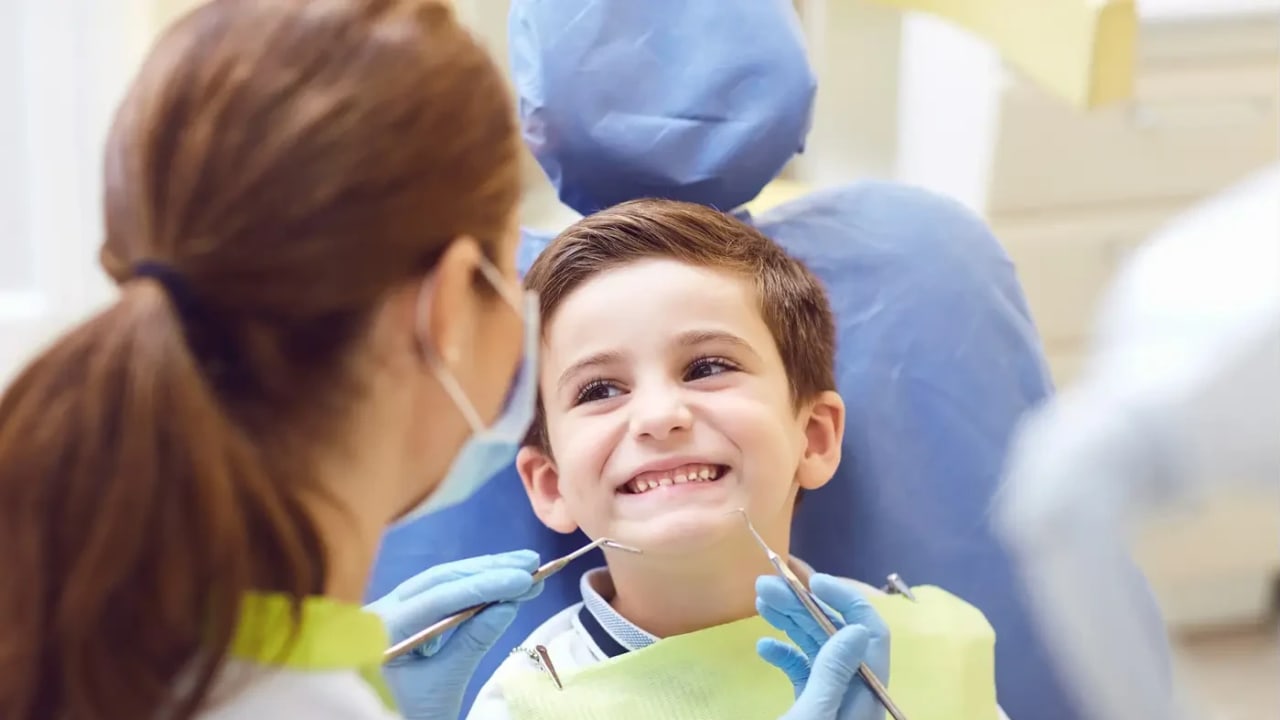
More and more young people are entering dental clinics today with findings that in the past mainly characterized an older population. Recurrent cavities, advanced gum inflammation, erosion, and sensitivity. This is not a gut feeling among doctors but a broad trend supported by numerous recent studies from the past few years, pointing to a clear link between the modern lifestyle—which includes prolonged screen time—and a decline in hygiene alongside increased sugar consumption, leading to deterioration in oral health at a young age.
A large-scale study published in 2024 in Scientific Reports, which included approximately 110,000 adolescents from Korea, found that increased smartphone use is associated with a significant rise in reports of cavity symptoms. According to the data, adolescents who spent more than 6 hours per week on smartphones were at about a 28% higher risk of experiencing tooth pain or sensitivity indicative of cavities, compared to those who spent less time.
According to the study, prolonged screen use is accompanied by habits that increase cavities, with a 2.6 times higher likelihood of frequent consumption of sweetened beverages and about a 52% increase in the likelihood of brushing teeth less than once a day. The researchers concluded that long screen time indirectly leads to worsening oral health through reduced adherence to hygiene and increased sugar consumption.
The importance of limiting screen time
This conclusion is reinforced by a cross-sectional study from 2025, published in the scientific journal Cureus, which examined the relationship between screen time, dietary patterns, oral hygiene habits, and oral health status among children aged 3–6. The study found that children with high daily screen time had more open cavities and more characteristics of cavities, as well as non-beneficial consumption patterns such as snacking and sweetened drinks. The study also found that prolonged screen time was associated with poorer oral hygiene indicators. These results emphasize the importance of limiting screen time and awareness of dietary and hygiene habits from an early age.

The social environment also contributes to the phenomenon. “On The Go” culture glorifies consumption with high cariogenic potential (potential for cavities) such as energy drinks, coffee, sweetened beverages, and “on-the-go” snacks. When their consumption occurs throughout an entire day in front of a screen, without rinsing or drinking water, the teeth are under continuous chemical attack.
It is important to understand the mechanism. Our mouth is built to protect itself through saliva. Saliva “washes,” balances acidity, and contributes to controlling the bacterial load. When our daily environment encourages a reduction in saliva secretion or a feeling of dryness—for example, due to prolonged concentration, eating snacks, and especially snacks high in sugar or starches (such as cookies, crackers, energy bars, cereal bars, and white breads), drinking large amounts of coffee, and drinking less water during continuous work—a more convenient background condition is created for cavities and the flare-up of gum inflammation.
The solution obviously cannot include stopping the use of screens, as the world relies on digital work. It is certainly impossible to disconnect the younger generation from screens, but it is definitely possible to adhere to a correct routine adapted to the current era.
It is recommended to incorporate planned drinking breaks with water readily available on the work desk and not only cups of coffee. There is a need to develop awareness of dryness as a warning sign and not as a marginal nuisance. It is important to maintain daily mechanical cleaning that includes brushing twice a day, flossing, and regular use of mouth rinses, and not to forgo periodic checkups with a dentist even when there is no pain. Modern medicine today knows how to prevent no less than it knows how to repair, and in an era in which the mouth is exposed to new challenges almost every moment of the day, the key is not giving up technology but adapting the hygiene routine to digital reality.
The author is Dr. Omri Krauss, a dentist and consultant to the Listerine brand.