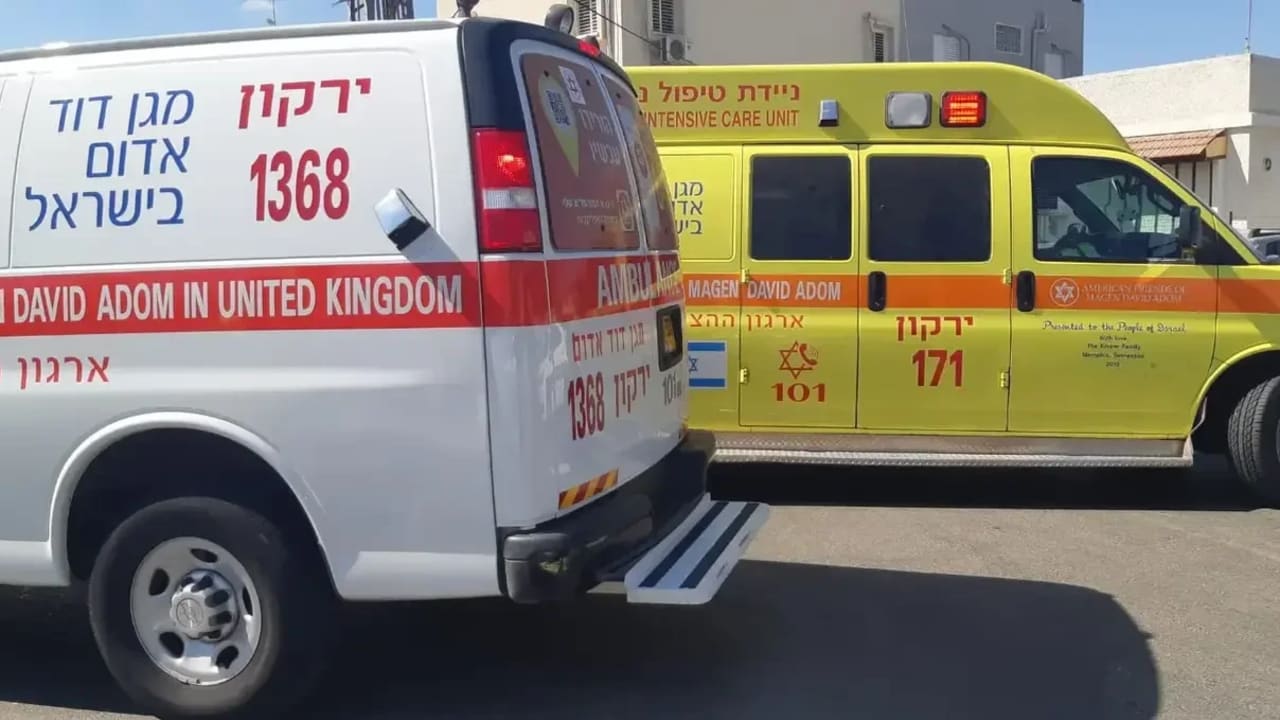
In the current security reality, many civilians may find themselves at sites of missile or shrapnel impacts. In such moments, the first few minutes are critical. Correct action can save lives, while mistakes can worsen the condition of the injured.
It is important to act with judgment, maintain personal safety, and provide first aid accurately until emergency teams arrive.
Common injuries include external bleeding, mainly in the limbs, shrapnel injuries such as cuts and punctures, fractures, burns, and blast injuries.
Blast injuries are particularly complex because they can cause internal damage even without external signs. Sometimes they involve the head, spine, or internal organs.
First, Safety
The first and most important step is to ensure that the area is safe. Do not enter a dangerous zone before confirming that there is no additional risk.
Next, identify life-threatening injuries, such as significant bleeding, difficulty breathing, or head and chest injuries.
Stopping Bleeding Saves Lives
Severe bleeding is one of the main causes of death in emergency situations. Therefore, it must be addressed immediately.
The most effective way is to apply direct pressure to the wound using a bandage or any available clean cloth. If no medical supplies are available, clothing or a sleeve can be used.
In extreme cases, a tourniquet can be used, but it must be applied correctly and the time of use recorded.
What Not to Do
There are common mistakes that can worsen the situation. Do not try to remove shrapnel or penetrating objects from the body, as this can cause dangerous internal bleeding. Instead, stabilize the area and wait for medical personnel.
Additionally, do not use household substances such as oils or ointments on burns, and do not place ice directly on the skin.
Treating Burns and Blast Injuries
In the case of a burn, cool the area with lukewarm water for several minutes. Then cover the area and avoid unnecessary contact.
Blast injuries may present as dizziness, headaches, difficulty breathing, or decreased consciousness. Even without external signs, they should be taken seriously and medical evaluation sought.
The Correct Sequence of Actions
In an emergency, it is important to follow a clear sequence:
- First, maintain personal safety
- Next, identify life-threatening injuries
- Call for medical help
- Finally, provide initial treatment
When there are multiple injured, priority should be given to those in immediate life-threatening danger.
Equipment That Can Make a Difference
It is recommended to keep a first aid kit at home or in a protected space, including bandages, gloves, disinfectants, and scissors. Equipment should be accessible and ready for quick use.
Beyond physical treatment, it is also important to remember the psychological aspect. Maintaining calm, providing a sense of security, and cooperating with those around can greatly affect the condition of the injured.
Especially with children and the elderly, a calm and supportive approach is essential.
In summary, in emergency situations, basic first aid knowledge can save lives. Rapid, correct, and safe action is key to handling injuries until medical teams arrive. Maintaining calm, avoiding mistakes, and understanding the sequence of actions can make a difference in the most critical moments.
The author is the Head of Emergency Medicine at Meuhedet Northern District and Director of the Italian Emergency Department in Nazareth.