In winter it almost happens by itself: The days are shorter, it’s colder, the body looks for warmth and comfort – and the craving for carbohydrates increases. Suddenly pasta, rice, ptitim or baked goods feel much more inviting than a cold salad.
This is no coincidence: Carbohydrates temporarily raise serotonin levels in the brain, contribute to a feeling of satiety and calm, and give a sense of “comfort food.” But that doesn’t mean you have to choose white, processed carbohydrates.
If you’re already craving them, you can choose carbohydrates that also provide nutritional value, fiber, vitamins, and better satiety – not just empty calories. Instead of white rice, regular pasta or ptitim, there are quite a few preferable options – ones that are digested more slowly, have less impact on blood sugar levels, and fit better into a balanced diet even during the winter season. The right choice can make a big difference in feelings of fullness, energy throughout the day, and even weight control.
So I prepared a list of the 5 most recommended as a healthy side dish to our main hot meal – here they are:
Quinoa
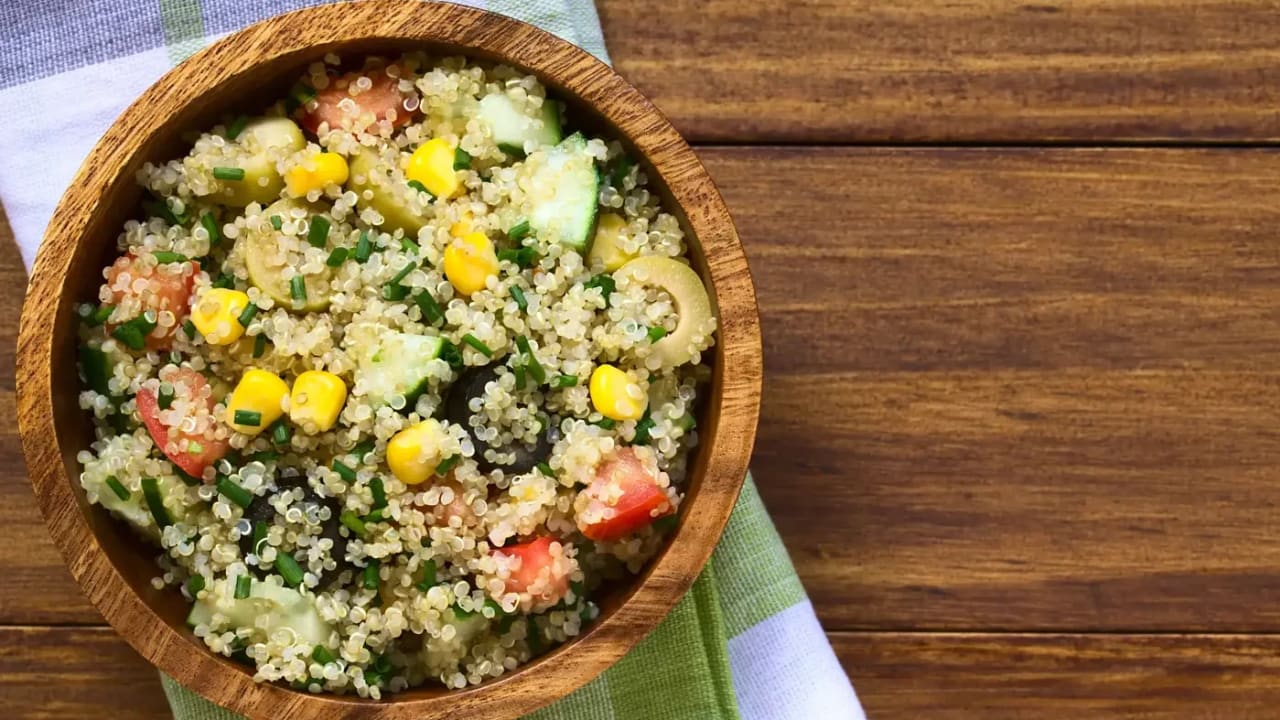
Yes, quinoa is a carbohydrate, even if it is sometimes customary to classify it as protein – and it is better to relate to it that way. It does indeed contain high-quality and relatively complete protein by plant standards, but its main contribution to the diet is as a filling and high-quality carbohydrate. Beyond that, quinoa provides important minerals such as magnesium and iron, B vitamins, and dietary fiber that contribute to satiety and regulation of blood sugar levels. This combination makes it a better choice than most white grains, especially for those looking for a carbohydrate that does not cause a sharp increase in hunger shortly after the meal.
Sweet potato
Sweet potato is considered a more “body-friendly” carbohydrate compared to many other sources. It is digested more slowly, has a relatively low glycemic index (certainly compared to fried potatoes or baked goods), and is rich in beta-carotene – a substance the body converts into vitamin A, which is important for skin health, vision, and the immune system. In addition, sweet potato provides potassium and dietary fiber, and therefore is filling and contributes to better appetite balance throughout the day.
Oats
Oats are nutritionally superior to regular wheat, and it’s no coincidence that they appear in many nutritional recommendations. They are rich in minerals such as magnesium, zinc, and iron, contain B vitamins, and provide unique fibers of the beta-glucan type, which have been found to help lower cholesterol levels and balance blood sugar levels. Beyond that, oats create a longer-lasting feeling of fullness compared to baked goods or breakfast cereals made from processed wheat, and therefore are a carbohydrate that is also suitable for those trying to control weight or avoid frequent snacking.
Buckwheat
Despite the misleading name, buckwheat is not wheat and does not contain gluten. It is a natural carbohydrate with a relatively impressive nutritional profile: It is rich in magnesium, zinc, and antioxidants, and contributes to a more moderate rise in blood sugar levels compared to processed grains. Buckwheat is considered a filling carbohydrate, with a positive effect on feelings of satiety and energy stability, and therefore is a good choice for those looking to diversify carbohydrate sources without loading the body with readily available, fast sugar.

Legumes – and also pasta made from legumes
Legumes such as lentils, chickpeas, and beans are sometimes perceived as plant-based protein – and rightly so – but in practice they are also an excellent source of high-quality carbohydrates. They are very rich in dietary fiber, provide important minerals such as iron and magnesium, and combine plant protein with a slowly digested carbohydrate. This combination makes them especially filling and helps balance blood sugar levels over time.
In this context, pasta made from legumes – such as pasta from orange lentils, yellow lentils, or peas – is also an excellent solution for those who want pasta, but with higher nutritional value. They contain more protein and fiber compared to wheat pasta, and cause less of a “spike” in hunger and blood sugar, which makes them a far preferable choice in most diets.
Is it really necessary to eat carbohydrates?
And the truth is that it’s important to say honestly: No, it is not mandatory to eat carbohydrates.
Unlike protein, which contains essential amino acids that the body cannot produce on its own, and unlike fat, which provides essential fatty acids – there is no such thing as an “essential carbohydrate.”
The body knows how to produce glucose on its own from proteins and other sources, and therefore a diet can be completely healthy even if it contains very few carbohydrates. Still, we shouldn’t forget… for many people, carbohydrates in the right amount and type make the diet more convenient, more filling, and easier to stick to – and that is no less important a consideration.