After the holidays, before the mistakes: What really works for weight loss?
There are many common myths regarding health improvement and weight loss, and studies over the years have shown a different reality. Here are some of the common mistakes.

There are many common myths regarding health improvement and weight loss, and studies over the years have shown a different reality. Here are some of the common mistakes.


Ahead of "after the holidays," many people look for diets to shed excess weight. Dr. Maya Rosman offers a different approach – toning without weight loss.

Jerusalem initiative provides supportive employment for people navigating mental health challenges while creating connections through cooking, shared meals and community events.

Eating during the holidays is almost non-stop, and it is important to know that the grill is considered a less healthy cooking method. Dr. Maya Rosman with the most recommended meats to eat.

We eat it in salad and in cooked dishes, and we cry from it quite a bit, but it turns out that it is worth the effort. All the health benefits of the onion, and a trick to prevent you from crying.

A new rating method has ranked the healthiest and worst foods. No less importantly, it showed that not all fruits and vegetables are equally nutritious.

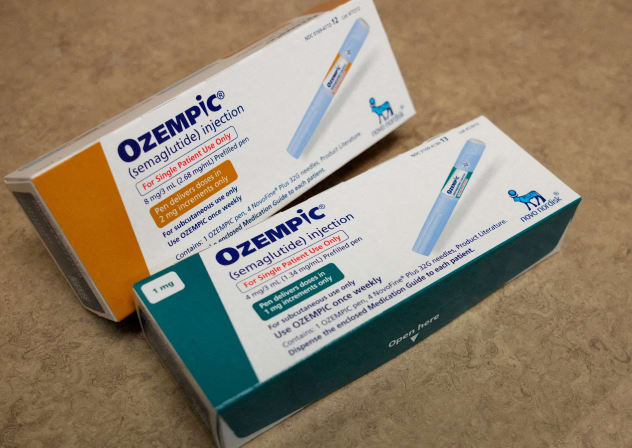
In an August Hadassah Magazine article, a 46-year-old New York mother identified as Beth described getting through Yom Kippur services without thinking about food after starting a GLP-1 medication.
No matter how you choose to eat it, beetroot is an excellent addition to the menu: It lowers blood pressure, aids digestion, and is low in calories, but is not a source of iron.

Considering taking a magnesium supplement? A mix of several types is usually a marketing gimmick. Dr. Maya Rosman explains what is important to check before starting to take one.

Carrot juice is perceived as a healthy diet drink, but in practice it is a sugar bomb and liquid calories without dietary fiber. Dr. Rosman recommends chewing a whole carrot rather than drinking it.

Spinach with cheese seems like a healthy combination, but does it harm calcium absorption, and what happens when several cheeses are combined together? Dr. Maya Rosman dispels myths.
