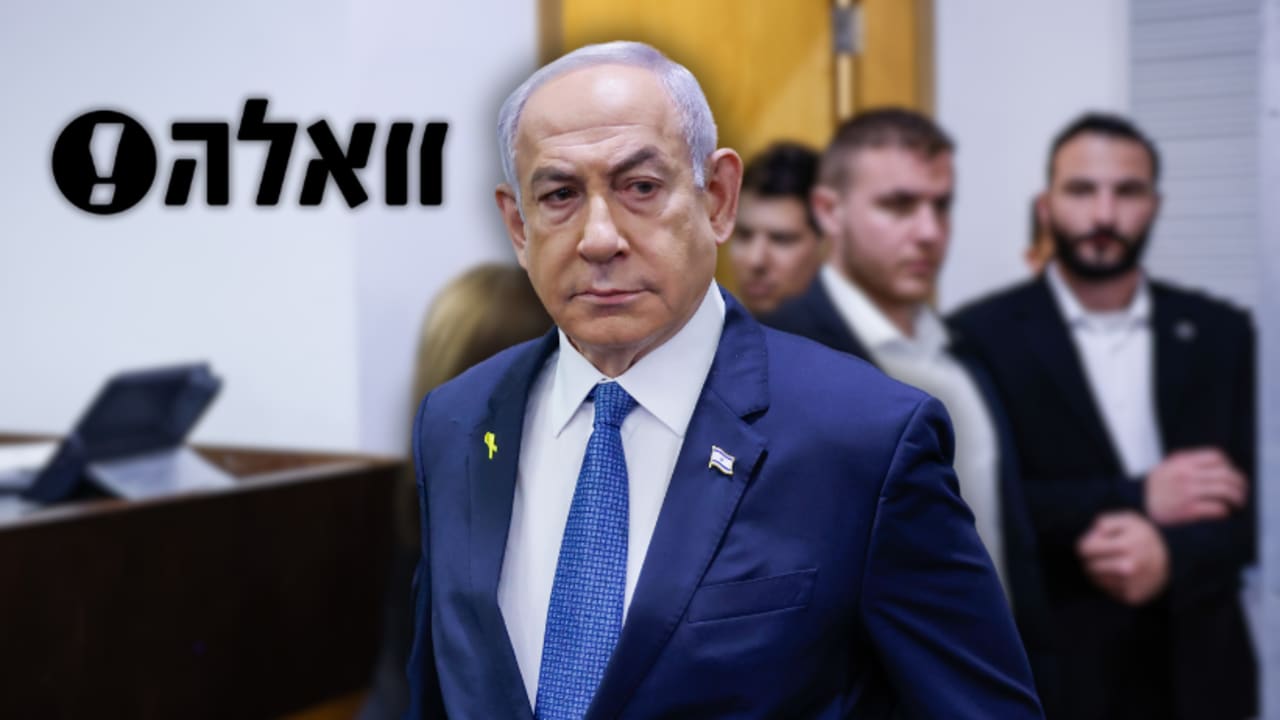
Prosecutors pressed Prime Minister Benjamin Netanyahu on Wednesday over the core allegation in Case 4000 – that Walla provided “unusual responsiveness” to requests concerning Netanyahu and his family - as Netanyahu insisted the opposite was true, portraying the news site as openly antagonistic toward him, particularly in the run-up to the 2015 election.
The hearing continued the prosecution’s cross-examination in the Bezeq-Walla affair, in which he is charged with bribery, fraud, and breach of trust.
At the center of prosecutor Yehudit Tirosh’s line of questioning was a thematic claim: that requests presented outwardly as routine spokesperson outreach often originated with Sara Netanyahu, and that Walla’s internal correspondence and editorial actions reflected an effort to satisfy the Netanyahu family’s sensitivities – including by altering, removing, or downplaying critical coverage.
Netanyahu rejected the framework repeatedly, arguing that he experienced Walla primarily through what he described as intense negative coverage – and that, as far as he was concerned, the only items that registered were “the awful-coverage articles about me,” which he said were not done to others.
Tirosh confronted Netanyahu with prior testimony from his former spokespeople and aides – including Nir Hefetz, Boaz Stembler, and Ran Baratz – describing Walla as unusually accommodating compared to other outlets, particularly in matters of placement, photos, and headline framing.

Netanyahu’s response, as he has maintained in recent hearings, was that he did not recognize that portrayal and that he viewed Walla as hostile on the issues that mattered to him most. He also argued that the prosecution had not conducted a comparative analysis of how other outlets handled the same routine requests.
Netanyahu: Walla was hostile, not responsive, to requests
Judges repeatedly indicated they were hearing similar questions and similar answers. Judge Moshe Bar-Am urged the parties to move forward, noting that the weight of Netanyahu’s statements would be addressed in the verdict.
A key prosecution thesis – sharpened on Wednesday – was that some requests routed through intermediaries or spokespeople did not originate with Netanyahu himself, but with his wife, and were treated accordingly inside Walla.
Tirosh focused in part on an incident involving a report about complaints by Prime Minister’s Residence workers against Sara Netanyahu, which was published, then removed from Walla, and later reported elsewhere as having been erased.
In internal messaging presented by the prosecution in past proceedings, Walla CEO Ilan Yeshua corresponded with Shaul Elovitch – then the controlling shareholder of Bezeq and owner of Walla – about the removal of the item. In that exchange, Elovitch wrote that “the big one is looking for me... probably wants an opposite article,” later adding that Netanyahu called him and “as usual didn’t know we removed [the item] and now we’re getting attacked” by other outlets, before moving on to discuss Iran.
The alleged episode is also referenced in the state indictment as an event dated January 2015, described as a demand to remove an item relating to testimony by residence workers against Sara Netanyahu.
Netanyahu told the court he did not remember the specific incident and framed it as, at most, a single episode – disputing the broader inference that it reflected a sustained pattern of influence.
Tirosh also pointed to the role of Ze’ev Rubinstein – a longtime associate of the Netanyahu and Elovitch families, whom prosecutors have described as an informal conduit in relaying media-related requests into the Bezeq-Walla orbit.
Among the items raised was an email in which Rubinstein asked Yeshua who had asked to remove an article about Sara Netanyahu, noting he himself had not been contacted and asking who had been “activated” to remove the article. Prosecutors framed the exchange as undercutting Netanyahu’s effort to depict Rubinstein as peripheral or misrepresented.
In addition, Tirosh highlighted investigative material describing how the perceived stakes of media coverage intensified during the week before the 2015 election – a point Netanyahu dismissed as irrelevant to how he personally operated, insisting his preoccupations were strategic and national rather than tactical and aesthetic.
The prosecution also returned to messages between Yeshua and then-Walla editor-in-chief Yinon Magal, which have long been central to the state’s argument that editorial intervention around Sara Netanyahu was understood internally as exceptional, not routine.
In those exchanges, Magal objected to directives and pressure regarding Sara Netanyahu-related coverage, warning against turning the newsroom into a place where “you can’t touch Sara,” and protesting what he characterized as a takeover of editorial judgment and an ethical boundary being crossed.
Netanyahu rejected the conclusion that removing or shifting items was inherently exceptional, arguing that politicians routinely seek corrections and that spokesperson activity in this realm is commonplace – while maintaining that, in the larger picture, Walla remained hostile toward him in the subjects he considered core.