
At a session of the Knesset Health Committee on Monday, it was revealed that a survey conducted among 379 families pointed to severe gaps in therapeutic, economic, and emotional responses for families of combat veterans suffering from PTSD.
According to the survey presented by Shmuel Harel, 51% of families are unaware of their rights, 55% received no treatment whatsoever, and only 36% received psychological counseling. It also emerged that 89% of family members experience anxiety and ongoing stress, 68% suffer from sleep disorders, and 65% report feelings of loneliness and helplessness.
According to the findings, children under the age of seven with a parent who is a combat veteran with PTSD are not eligible for treatment at all. In addition, 94% of children in these families experience behavioral difficulties or aggression.
Against the backdrop of the survey, the Defense Ministry told lawmakers it is currently grappling with a shortage of therapists for combat veterans following the war in Gaza.
The committee chair, Limor Son Har-Melech, said, “Post-trauma is not an injury of one person — it enters the home, is present in the living room, and affects the children and spouses. These families are the true fighters on the home front.”
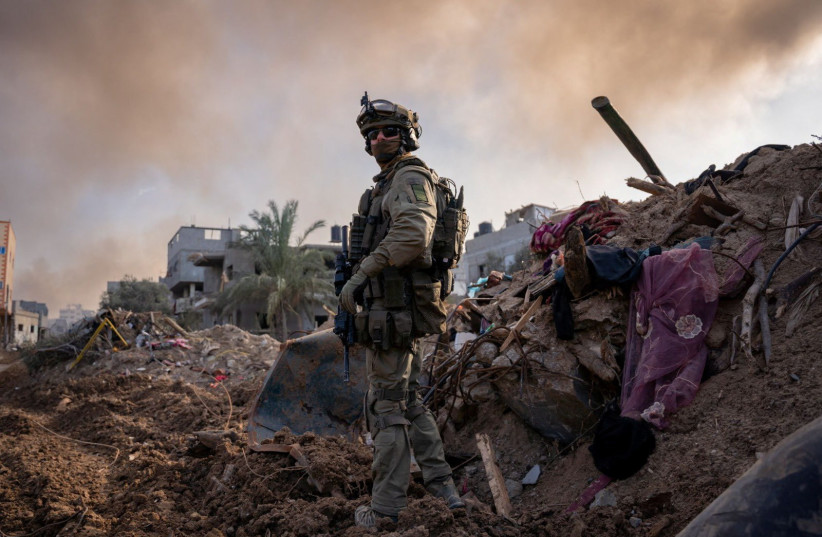
Combat soldiers accounted for 78% of Israel military suicides in 2024
According to the report, combat soldiers made up 78% of military suicide cases in Israel in 2024, a sharp rise from previous years. The report also found that only 17% of these soldiers had met with a mental health professional in the two months prior to their deaths.
MK Pnina Tamano-Shata warned against releasing soldiers and police officers from service without providing them with an adequate support framework after being harmed.
Dr. Rotem Sivan, chair of the Israel Health Forum, was removed from the discussion by Limor Son Har-Melech after accusing the ministry of directing budget funds for combat veterans to Yeshivot and to populations that do not serve in the army.
Dr. Sivan responded, saying, “I am the mother of an IDF soldier. His friends are coping with daily hardships from the war, and no one opens their mouth about the budgets directed specifically to populations that do not serve in the army — and when you tell the truth, you are removed from the committee. It cannot be that the same committee chair who cares so much about the future of the fighters and the PTSD-affected veterans is promoting legislation that transfers billions to yeshiva draft-dodgers at the expense of rehabilitating fighters. Without a significant increase in the budget, it will be impossible to assist the fighters.”
Hila Yavnai Tal, director of social services at Sabar Health – Home Hospitalization, told lawmakers that since the beginning of the war, the Defense Ministry’s Rehabilitation Department “issued a tender to expand mental health services.”
“Within this framework, hospitalization alternatives were developed for individuals coping with PTSD who struggle to remain in balanced housing or hospital wards. The home hospitalization alternative is carried out by a multidisciplinary team specializing in mental health that arrives at the patient’s home.”
Addressing the committee on Monday, Ronit Sandrovich listed various programs the government is running for veterans experiencing trauma, including carpentry and animal therapy.