The High Court of Justice on Thursday ordered the government and the Jerusalem Municipality to move forward with obtaining building permits for long-delayed repairs and infrastructure upgrades at the Western Wall’s egalitarian prayer platform, setting binding procedural deadlines aimed at ending nearly a decade of stalled implementation.
In a unanimous decision issued by an expanded seven-justice panel, the court instructed state authorities to complete the necessary bureaucratic steps required to restore and upgrade the Ezrat Yisrael plaza – the southern prayer area designated for mixed-gender and non-Orthodox worship under the government-backed 2016 “Kotel Agreement.”
The ruling followed a hearing earlier last week, during which justices pressed state and municipal representatives over why worshipers at the egalitarian section still cannot reliably reach the Western Wall itself and why even basic repair work has remained stuck for years amid disputes over planning authority and permitting procedures.
In Thursday’s decision, the court clarified that no additional cabinet or ministerial approval is required as a precondition for filing building-permit applications. This determination removes a key procedural hurdle cited as a cause of previous delays.
The justices further ordered that any remaining sign-off required from the Israel Antiquities Authority must be decided within 14 days. Following that determination, the state must submit new building permit applications within an additional 14 days.

If planning authorities do not issue a decision within 45 days of submission, the lack of response will be treated as a refusal, triggering the state’s obligation to file an appeal with the Jerusalem District Planning and Building Committee.
The state and the Jerusalem Municipality were also instructed to submit an update to the court within 90 days detailing progress on securing the necessary approvals.
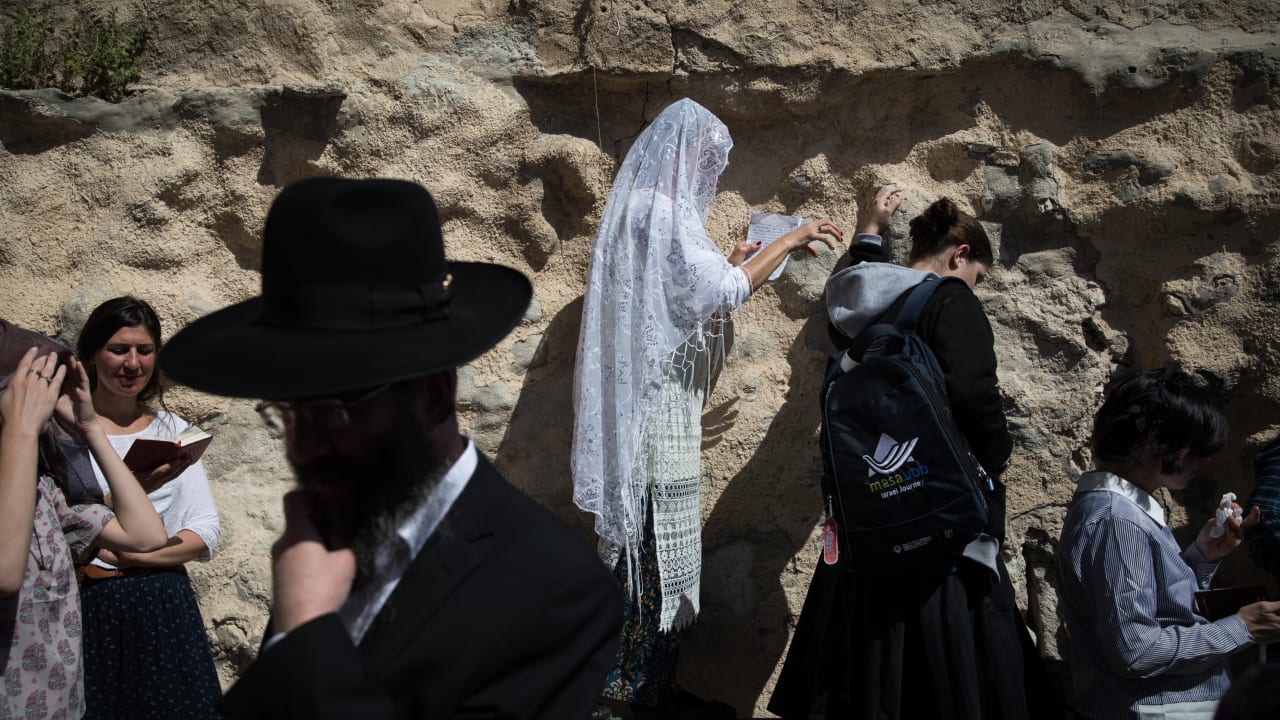
The egalitarian prayer space, located near Robinson’s Arch at the southern end of the Western Wall, was established as part of a compromise intended to provide a recognized venue for pluralistic prayer alongside the traditional, gender-segregated main plaza.
Plans for egalitarian prayer space frozen amid political pressure
But plans to develop the site were frozen in 2017 under political pressure from ultra-Orthodox coalition partners, prompting petitions by the Reform and Masorti movements, Women of the Wall, and religious-pluralism advocacy groups.
Petitioners have argued that the area remains difficult to access, lacks basic facilities, and does not offer meaningful proximity to the Western Wall’s stones – conditions they say undermine the intent of the original compromise.
The court did not revisit legal questions concerning prayer rights at the site in Thursday’s ruling, instead emphasizing the need to advance the “practical implementation” of arrangements already approved in principle.
Pluralism advocates welcomed the decision as a significant step toward restoring physical access to the egalitarian section.
Religious authorities and ultra-Orthodox political leaders, on the other hand, sharply criticized the court’s intervention, saying that matters concerning prayer arrangements at the Western Wall fall outside its jurisdiction.