
While the regional shadow of the Iranian conflict and the ongoing war continue to dominate the spaces where mainstream Israeli leadership resides, a new study released on Sunday by the Women’s International Zionist Organization suggests a deep disconnect between the nation’s leadership and the women sustaining its home front.
According to data from the Roshink Research Institute, only 23% of Israelis believe women have a tangible influence on national decision-making, despite their outsized role in civic and security life since the outbreak of war.
These findings, presented at the “Initiate. Act. Influence.” conference, highlight a stark reality: while 58% of the public now supports women serving in significant combat roles, only 12% of government ministers in 2026 are women, with even lower representation among ministry director-generals.
The psychological toll of the prolonged conflict remains a primary concern for social advocates. While the Israeli economy and employment sectors have shown signs of stabilization, the population's emotional well-being has not followed suit.
Rivka Neumann, director of WIZO’s Division for the Advancement of the Status of Women, noted that 52% of women report a deterioration in their mental health, a figure that has remained stagnant for a year. Neumann characterized the findings as a wake-up call for the government, arguing that the lack of a robust civilian support system is placing an unsustainable burden on the families of those serving on the front lines.
From trauma to systemic action
Throughout the conference, which was moved to a digital format due to the current security situation, several women shared how they have moved from trauma to systemic action.
IDF Brig.-Gen. (res.) Daphna Harari, former chief casualty officer, described her transition from immediate reserve duty to establishing long-term frameworks for “transparent” casualties – those struggling with PTSD and the rising rate of suicides among veterans. Similarly, Shosh Eliav Saban founded “Marketing in Miluim,” a volunteer network of 160 professionals that has helped over 200 reservists rebuild businesses that collapsed during their service.
Technological and community-based solutions have also emerged on the grassroots level. Avital Abramzon, whose husband was wounded in Gaza, developed “Gali the Bot,” an AI-driven agent designed to help wounded veterans navigate the complex bureaucracy of the Defense Ministry’s Rehabilitation Department.
In Sderot, Yael Katzir, a survivor of the October 7 massacre, now manages WIZO’s Open House, a facility providing communal and therapeutic space for families from the Gaza border area.
These initiatives, along with Ravit David’s community for 400 post-traumatic soldiers and Shlomit Kaminka’s pioneering support groups for bereaved grandparents, represent what WIZO CEO Marsel Assulin called a “new social order.”
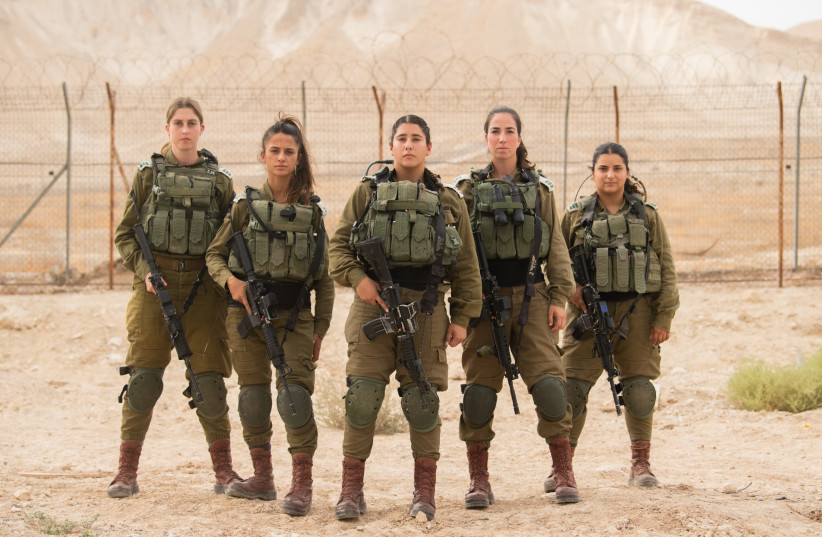
The data also points toward a significant shift in public perception regarding the military. Despite vocal opposition from conservative elements in Israeli society, the majority of the public now views female integration into the IDF’s most significant roles as both a necessity and a reality of the current war.
Over half (53%) of respondents said they still feel that women's contribution to the security apparatus does not receive sufficient recognition. As the nation marks International Women’s Day under the strain of a multi-fronted war, the consensus among participants was clear: the heroism found in the civilian sphere must eventually be translated into representation at the decision-making table.