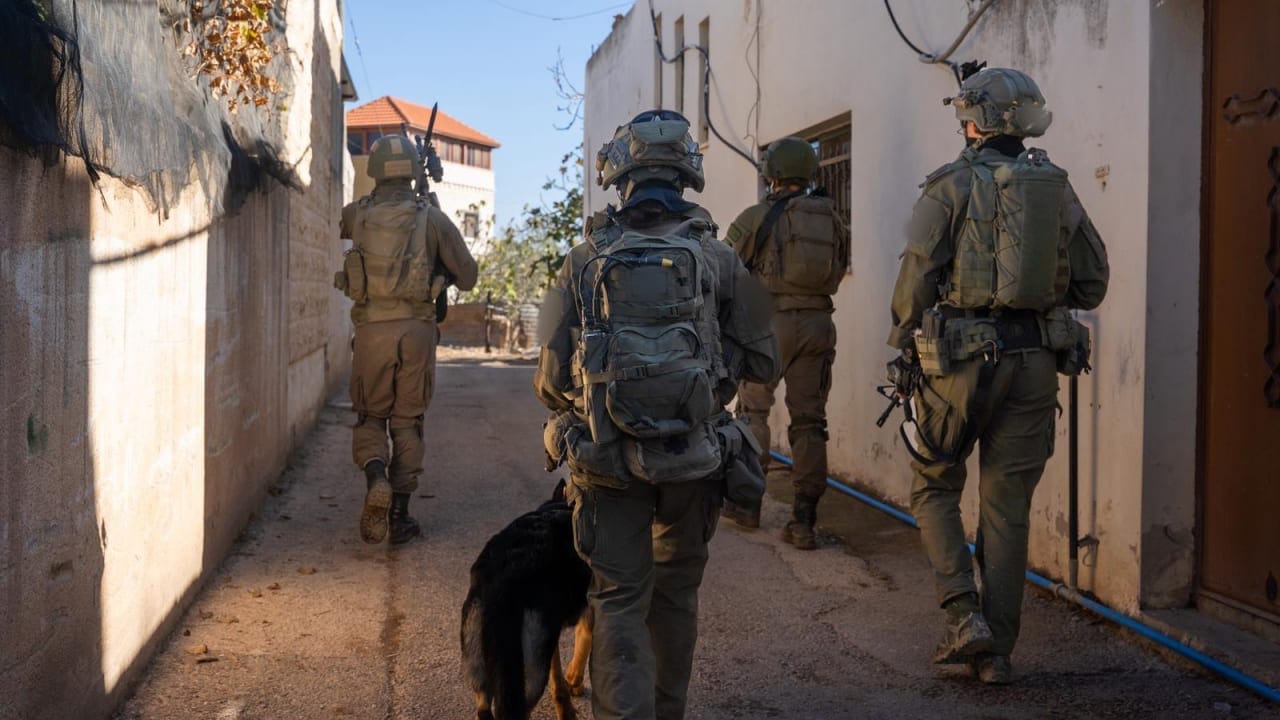
The IDF is heading into Ramadan 2026 with a security assessment of relative stability in the West Bank alongside an operational strategy to respond quickly and forcefully to every violence and terror incident to keep it contained. The aim is to prevent localized incidents from triggering wider copycat violence, mass unrest, or sustained incitement.
A large military presence will remain in place across the West Bank, including 21 battalions, reinforced by commando units and additional companies. The deployment of troops is built to shift rapidly from routine activity to targeted raids, arrests, and intelligence-led interdictions when incidents erupt. The IDF understands that if left unattended for too long, these isolated incidents can lead to widespread unrest in a heartbeat.
Operational planning within the IDF is concentrating on predictable pressure points where crowd density and symbolism can turn a small incident into broader, sustained protests.
Key friction areas include major crossings and religiously sensitive locations, such as Rachel’s Crossing, Kalandiya, and the area around the Cave of the Patriarchs, where significant gatherings are expected during the month.
Alongside ground operations, the campaign is placing heavy emphasis on constraining the drivers of escalation. Enforcement against incitement and the money that fuels terror networks is being treated as central to preventing a single incident from evolving into a wider wave.

More than 400 suspected inciters have been detained since the war began, and over NIS 15 million intended for terror activity has been seized since the start of the year, including funds originating from outside the West Bank. In a recent push, about 19 suspected inciters were detained.
IDF prepared for fallout of Iran aggression, PA instability
The IDF is also prepared for the possibility that external factors could lead to increased incitement. The beginning of Ramadan coincides with the ongoing possibility of an escalation with Iran, which could boil over at any time. There are also concerns of unrest and delegitimization of the Palestinian Authority's ability to maintain the quiet after an incident on Sunday when Palestinian Security forces shot and killed a 16-year-old Palestinian during an arrest in the northern West Bank. Regardless, the IDF is monitoring these events closely and is ready to implement strategies and allocate extra manpower accordingly.
A new tracking measure will also monitor West Bank Palestinians permitted to visit the Temple Mount, using a special magnetic card validation process at designated stations near their place of residence. Those who do not register their departure from Israel are expected to face immediate sanctions and enforcement action.
The operational bottom line is stability through pressure and speed. By addressing every flare-up quickly and as a serious incident through Ramadan and the following weeks, it reduces the chance of these events from becoming a broader cycle of violence.