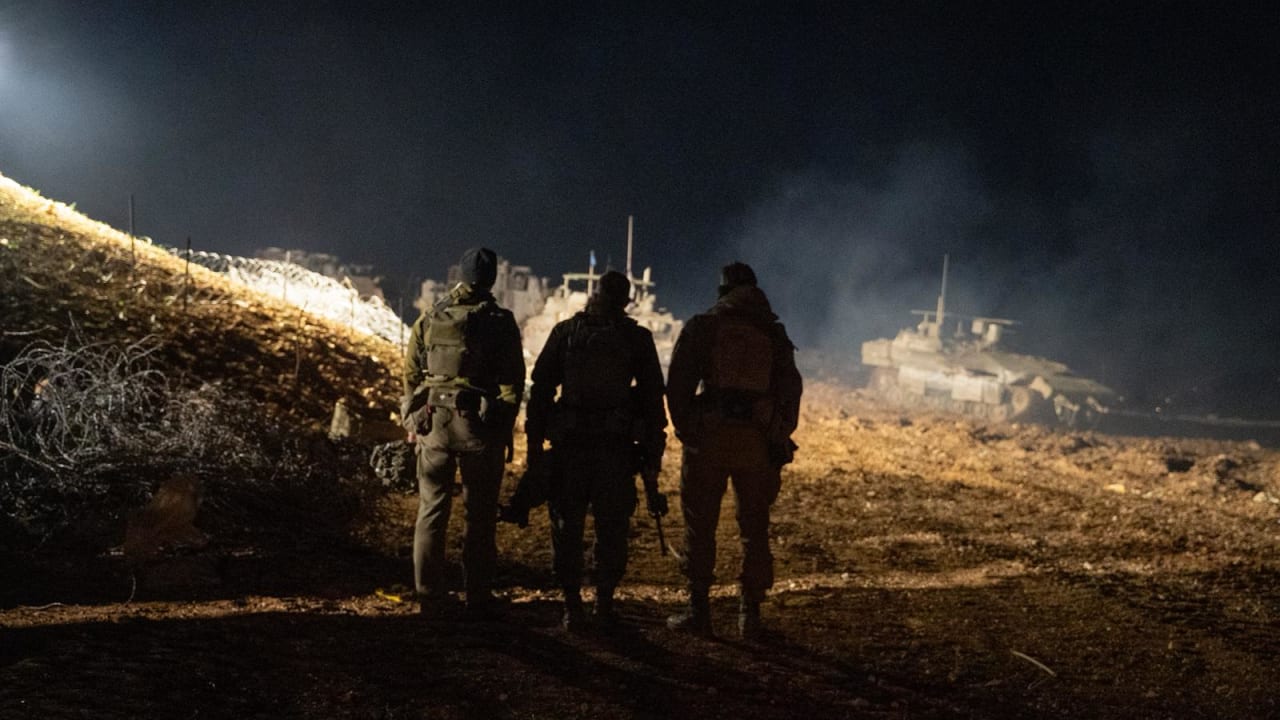
Eighty-five percent to 90% of Hezbollah’s pre-2023 rocket arsenal has been destroyed, the IDF reported Sunday.
Before the war, Hezbollah had more than 150,000 rockets, it said.
By the November 2024 ceasefire, 70% to 80% of the rocket arsenal had been destroyed, the IDF said.
Later in 2025, about 30,000 rockets remained, the IDF said.
The IDF’s update on Sunday suggests that over the course of 2025, and more intensely since Hezbollah entered the war on March 2, the military has gradually reduced that total to between 10,000 and 23,000 rockets.
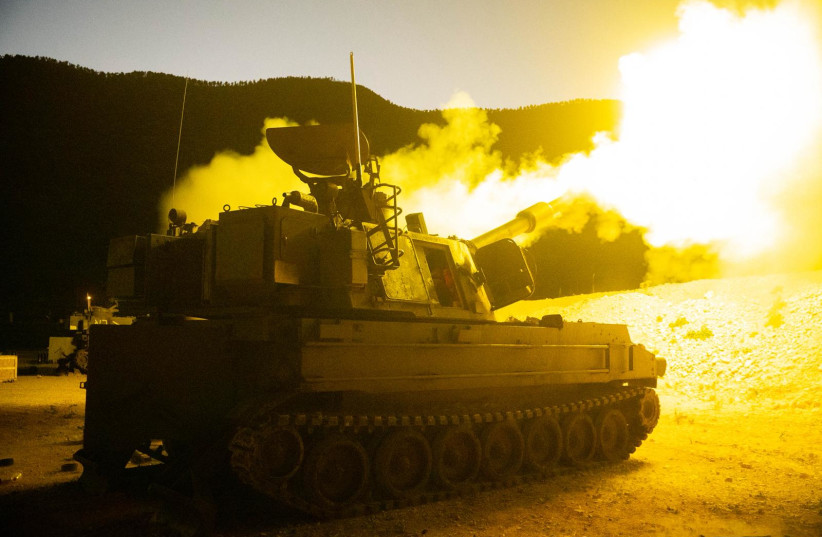
Despite the overall improved situation in Hezbollah’s general threat potential, the Lebanese terrorist group has surprised the IDF in terms of its actual potential by launching about 100 rockets or drones per day against Israel, including nearly 200 on March 11.
IDF gets surprised by a wave of 200 rockets
The IDF has succeeded somewhat in disarming Hezbollah by disrupting what could have been even worse rocket fire.
For example, when Hezbollah fired 200 rockets on March 11, its original plan was to fire about 600, the IDF said.
Nevertheless, the IDF was surprised by the 200-rocket attack, which caused more physical damage than expected in the North and left local residents concerned about whether they were safe enough to remain in their communities for a potentially extended conflict with Hezbollah.
The IDF had vowed to provide sufficient security so that local residents would not need to evacuate as they did under attack by a more powerful version of Hezbollah in October 2023.
In addition to the general, mostly shorter-range rockets, Hezbollah also has about 1,000 long-range precision-guided rockets.
In response to the Hezbollah threat, the IDF has redeployed five divisions to southern Lebanon and has been sending Divisions 91 and 36 deeper into Lebanese territory.
More than 350 Hezbollah fighters have been killed, including about a third who were Radwan special forces, and many senior commanders.
Last week, IDF Chief of Staff Lt.-Gen. Eyal Zamir said the Iran and Lebanon fronts were now comparable.
Despite that seeming shift, the IDF on Sunday said Iran was still the primary front, and Lebanon will remain the secondary front until the war against the Islamic regime comes to a close or close to the end.
Given that the entire $1.5 billion Hezbollah has received since the November 2024 ceasefire has come from Iran, any attacks on Tehran are like attacks on the Lebanese terrorist group itself, and in some ways, they are even worse for its existential long-term strength, the IDF said.
Nevertheless, Hezbollah may still be able to draw on up to tens of thousands of fighters to maintain its power in Lebanon, and there is little evidence that the IDF can quickly “sniff out” the majority of the remaining rockets before they are fired.
Instead, the military tends to hit launchers after they fire, which could leave the home front vulnerable to some extent for an extended period.
Some IDF officers have suggested that only once the full IAF is focused on Lebanon and not Iran will Hezbollah rocket fire be much more substantially reduced.
The US is fully supportive of Israel taking a tough line against Hezbollah, including the many airstrikes in Beirut’s Dahiya neighborhood, its stronghold, the IDF said Sunday.
The Lebanese government has started to make some progress in disarming Hezbollah, yet the pace is too slow, and also slower than Hezbollah’s additional rearming efforts, it said.