
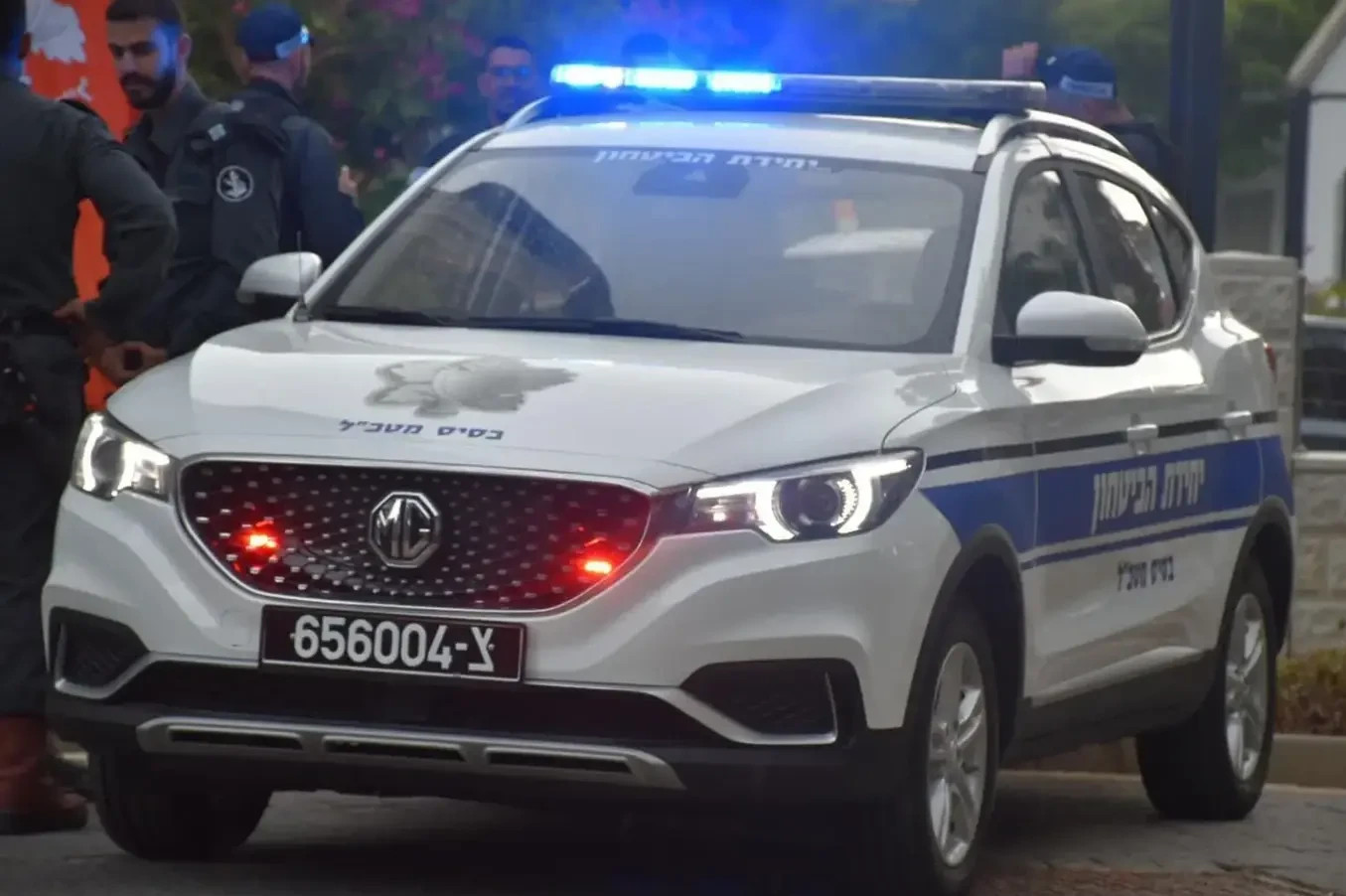
The security unit at the IDF's Kirya headquarters in Tel Aviv still uses Chinese-made electric MG ZS vehicles to patrol inside and around the military base as of mid-August, despite the military's broader shift away from Chinese vehicles over security concerns.
The vehicles, manufactured by the Shanghai-headquartered and state-owned SAIC Motor Corp., Ltd., were purchased about five years ago and remain in use at the base housing the IDF General Staff, Israel Air Force headquarters, IDF Intelligence Directorate headquarters, and the Defense Ministry.
Their continued use is notable given the measures the IDF took after security concerns arose over Chinese-made vehicles and communications equipment.
IDF officers are prohibited from possessing mobile phones made by Chinese companies, and the military does not purchase Chinese communications equipment. Nevertheless, the IDF leased hundreds of Chery Tiggo 8 vehicles for officers, as Walla revealed, even though the vehicles were equipped with cameras, microphones, and their own cellular communications systems.
It took the IDF time to realize the security implications of the vehicles it had leased. The military eventually disconnected their communications equipment, instructed officers not to discuss classified matters inside the vehicles, and prohibited them from entering especially classified bases or classified areas within other bases.
The IDF and Defense Ministry ultimately decided to stop leasing Chinese vehicles. The Chery fleet remained an isolated case and was replaced by Mitsubishi Outlanders.
IDF issues generic response to Walla's request for usage of Chinese vehicles in Kirya HQ
The IDF Spokesperson's Unit declined to directly address the use of Chinese vehicles at the Kirya and instead issued a general response.
"The IDF operates in accordance with binding security regulations and standards in the areas of force building, including in the fields of weapons, vehicles, technology, and digital components. Systems that meet the security requirements and standards may be considered for integration into the IDF, subject to the relevant directives and approval processes. Systems that do not meet the requirements will be required to make the necessary adjustments, and if they do not meet the conditions, they will not be approved for use in the IDF," the military said.
However, the continued use of Chinese-made MG ZS vehicles at the Kirya stands out, particularly given that the base houses some of Israel's most sensitive military and defense institutions.
Concerns of Chinese-made technology found on British Royal Navy unmanned vessels - report
The concerns surrounding Chinese-made technology were highlighted again after Chinese-made components installed in security cameras aboard Britain's Royal Navy's unmanned vessels transmitted data to an IP address in China, The Telegraph revealed at the beginning of the month.
The incident raised serious concerns among senior defense officials in London over the military supply chain.
The breach was identified by the British Defense Ministry during a routine cybersecurity inspection. The inspection found that cameras installed on K3 Scout autonomous boats, a fleet worth about £12 million and used by British commando and marine units, contained Chinese chips that independently communicated with servers in China.
British company Kraken Technology Group supplied the boats and purchased the cameras from a third-party supplier.
According to reports, the cameras transmitted "heartbeat" signals, technical data confirming that the device is active and connected to the network. Such signals could also reveal the vessel's location. The military's main concern was the potential leakage of sensitive information about special forces movements and operational activities.
Britain's Defence Ministry immediately disconnected the cameras from the internet, but said: "A comprehensive investigation found no evidence that classified information or internal systems were breached or leaked."