A report at Reuters on February 11 said that private contractors from a security firm that was previously involved in securing the Gaza Humanitarian Foundation sites could be used in Gaza as the new phase of the US-backed ceasefire continues.
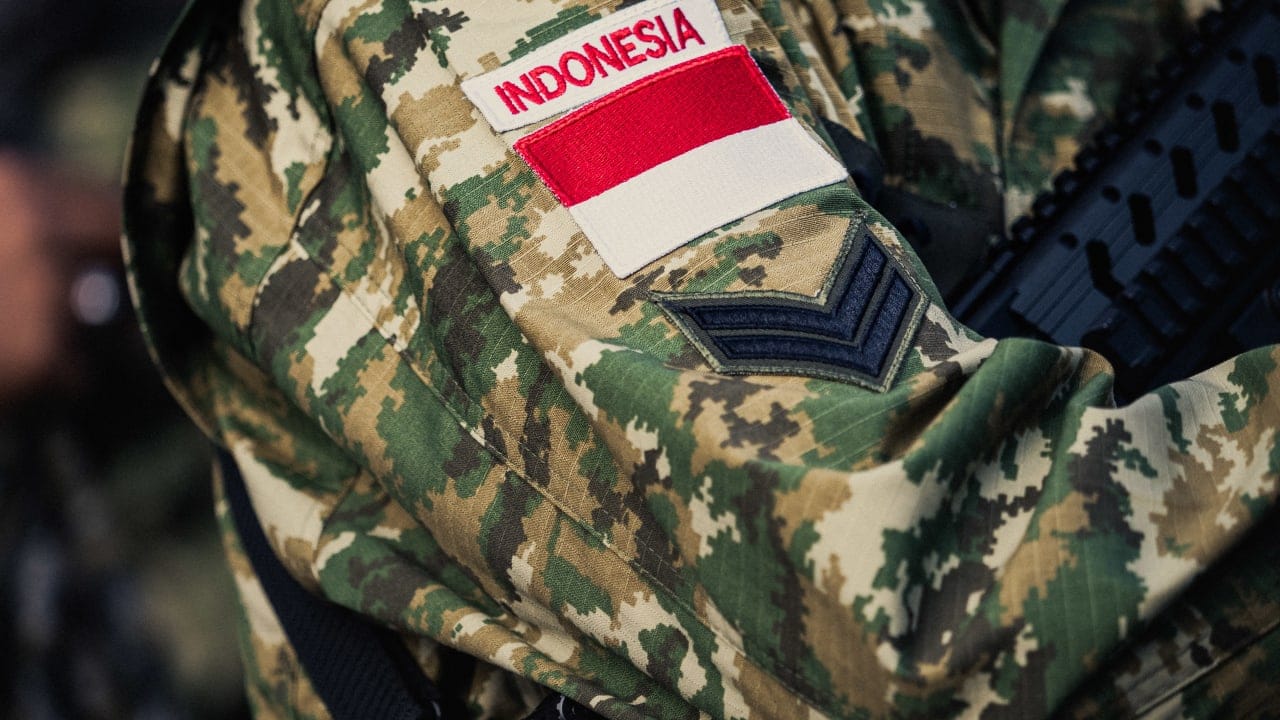
This report comes as other reports indicate that Indonesia may be the first country to deploy peacekeepers to the International Stabilization Force, which is part of the US-backed Board of Peace plan. At the same time, it appears that Gaza-based militias are also vying for control.
The numerous armed groups that may be involved in Gaza soon present a challenge. It means that there will be overlapping areas of control, and this could lead to chaos. At the same time, there are discussions about disarming Hamas. While Hamas officials continue to say they will not disarm, other reports indicate that the first phase of disarming Hamas could involve dismantling weapons that threaten Israel, such as rockets. Hamas might keep some of its small arms, such as AK-47s, for a while.
Here is what recent reports are saying. A Reuters report noted that the US security firm “UG Solutions made the disclosure, which has not been previously reported, after Reuters reported it was recruiting Arabic-speaking contractors with combat experience for work in undisclosed locations. A source with direct knowledge of the board’s planning confirmed talks were underway with the firm.” It is not clear what role the group would play, but the report quoted a UG Solutions spokesperson as saying that it had “provided information and proposals to the US-led Board of Peace.”
Meanwhile, the US-backed peace plan is expected to continue with its second phase after an upcoming meeting in mid-February. In mid-January, the White House noted, “to establish security, preserve peace, and establish a durable terror-free environment, Major General Jasper Jeffers has been appointed Commander of the International Stabilization Force (ISF), where he will lead security operations, support comprehensive demilitarization, and enable the safe delivery of humanitarian aid and reconstruction materials.”
This week, reports said Indonesia could be the first country to supply forces to the ISF. “Indonesia has said it is preparing to send up to 8,000 troops to Gaza to be part of a peacekeeping force under Donald Trump’s Middle East plan,” the Guardian noted. “The announcement by the army chief of staff, Gen Maruli Simanjuntak, makes Indonesia the first country to deliver a specific commitment to the international stabilisation force (ISF) envisaged as part of the second phase of the Trump plan.”

Rafah crossing
At the same time, new reports have emerged from Gaza of militias interrogating and even detaining Gazans who are crossing back and forth to Egypt via Rafah.
The crossing was opened as part of the US-backed ceasefire. In January, Israel’s Ynet media noted that a report indicates “Israel cooperates with Gaza militias against Hamas during ceasefire. Israel has provided select Gaza-based militias that oppose Hamas with intelligence, supplies and operational support, allowing them to operate in areas beyond the reach of IDF forces under the ceasefire while remaining under close Israeli oversight.”
A subsequent report also at Ynet noted “returning Gaza residents say local militias cooperating with Israel have taken control at Rafah, interrogating arrivals and threatening Hamas-linked families as a power vacuum deepens.” The militias apparently operate in parts of the Gaza Strip that the IDF controls. Hamas controls the other half.
The role of the militias appears to contradict the Trump-backed plan for Gaza, which envisions a technocratic National Committee for the Administration running Gaza. This is supposed to provide the Gazans with peace and security. Instead, Gazans are left to the whims of militias or Hamas, reports say. On January 2, the Chief Commissioner of the National Committee for the Administration of Gaza, Dr. Ali Sha’ath, said, “I want to start by thanking President Donald J. Trump and his Administration for his intensive efforts to advance peace in the whole region… These efforts created the opportunity for a new future in Gaza, but what will really matter is what comes next.”
International Stabilization Force
Meanwhile, the US continues to fundraise for Gaza as calls to disarm Hamas continue. The plan appears complex, with various phases of disarmament underway as the ISF fills in areas where Hamas has been disarmed. How will the ISF work with the militias, the IDF, and the contractors?
The current state of affairs appears in flux, with many questions about all the armed groups that may be deployed to Gaza. It won’t be the first time that contractors, soldiers, and militias served alongside one another against terrorists.
In Iraq, the US worked with Sunni Arab tribes, called the “Awakening,” to fight insurgents for several years. Private Military Contractors also played a role in Iraq, Afghanistan, and other places.
However, in the end, the tribes mostly faded away, and so did the contractors, as Iraq defeated the insurgency. In Afghanistan, the country returned to Taliban rule. Gaza may face a similar choice, either Hamas rule or a transition to something better.