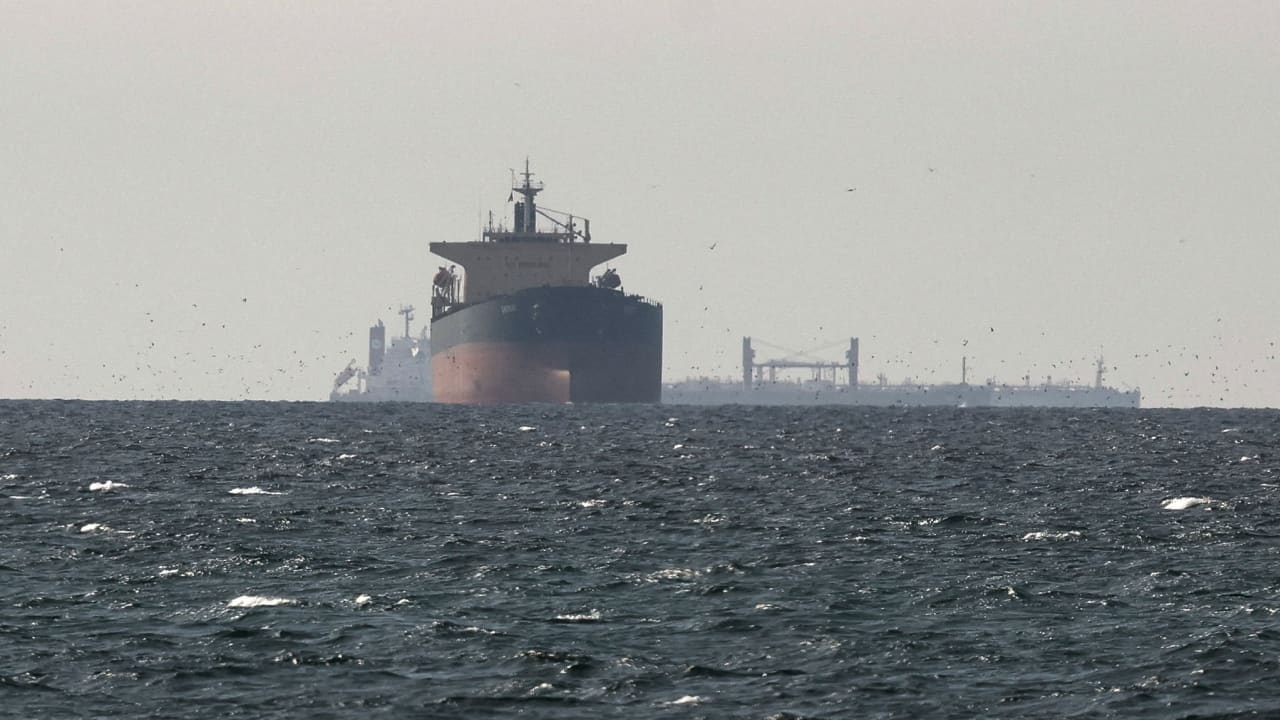
A handful of Greek shipowners have sent crude oil and dry bulk tankers through the Strait of Hormuz during the United States-Israeli war with Iran, risking destruction from mines, missiles, and drones for a chance at millions of dollars in quick profits.
The voyages reflect the financial allure of soaring crude oil prices and surging tanker rates since the start of the war, which has effectively sealed off a fifth of the world’s oil and liquefied natural gas supply from global markets.
US President Donald Trump has urged ships to "show some guts" and run the strait, although the US military has declined requests from the shipping industry for escorts through the waterway because of the risk of attack.
"The risks are huge. But the sea has always been a risky business," said a Greek shipowner involved in the voyages who declined to be identified because of the sensitivity of the trade.
At least 10 ships operated by Greek companies, and at least two Chinese-operated vessels, have sailed through the strait between Iran and Oman since US and Israeli strikes began on February 28, according to data from maritime specialists Lloyd's List Intelligence and MarineTraffic.

Companies involved include shipping magnate George Prokopiou's Dynacom and the Embiricos family’s Aeolos Management, according to six industry sources familiar with the matter.
Dynacom and Aeolos did not respond to requests for comment.
Iran’s military has struck several ships moving through the narrow channel, vowing to keep it closed and warning that oil will reach $200 per barrel. At least 16 ships have been attacked, including Greek-operated vessels hit by drones.
US Defense Secretary Pete Hegseth said on Friday there was no clear evidence that Iran has placed mines in the Strait of Hormuz, after news reports suggesting Tehran had deployed about a dozen mines there.
A second Greek shipping source involved in the trade, who also asked not to be named, described the tense and fraught sailings in the narrow waterway as "like entering an enemy's bathtub."
The profits are good, though. Average daily earnings have surged to the highest levels in six years, with tanker owners able to earn $500,000 a day for a charter, according to ship broking data.
Even with huge war insurance costs and higher salaries for crew members, companies can still make millions of dollars on each voyage, industry sources familiar with the matter said.
'Gambling with seafarers' lives'
Trump, who is seeking to combat soaring prices caused by the war, has encouraged oil tankers to traverse the strait.
"These ships should go through the Strait of Hormuz and show some guts, there’s nothing to be afraid of," Trump said, according to Fox News’ Brian Kilmeade, who recounted the president’s remarks during a recent interview.
The White House did not immediately comment.
Trump has said the US Navy will provide escorts through the strait when needed, but the Navy has told the shipping industry in regular briefings that the risks are too high for escorts.
Stephen Cotton, General Secretary of the leading seafarers' union the International Transport Workers' Federation (ITF), told Reuters that navigating the strait now was a bad idea.
"Sending seafarers through the Strait of Hormuz right now is sending them into a live war zone," he said.
Tactics deployed by shipowners so far include switching off AIS ship-tracking transponders in the hope that vessels become less visible to Iran’s military, and traveling at night.
"Reports that some operators are switching off AIS to try and slip ships through and dodge attacks are extraordinarily alarming - it’s gambling with seafarers' lives," the ITF's Cotton said.
The voyages are among the most daring by shipowners since Norwegian-born billionaire John Fredriksen made his fortune in the "tanker wars" of the 1980s during the Iran-Iraq conflict, when his vessels risked missile fire to load and then transport crude oil cargoes from the conflict area.