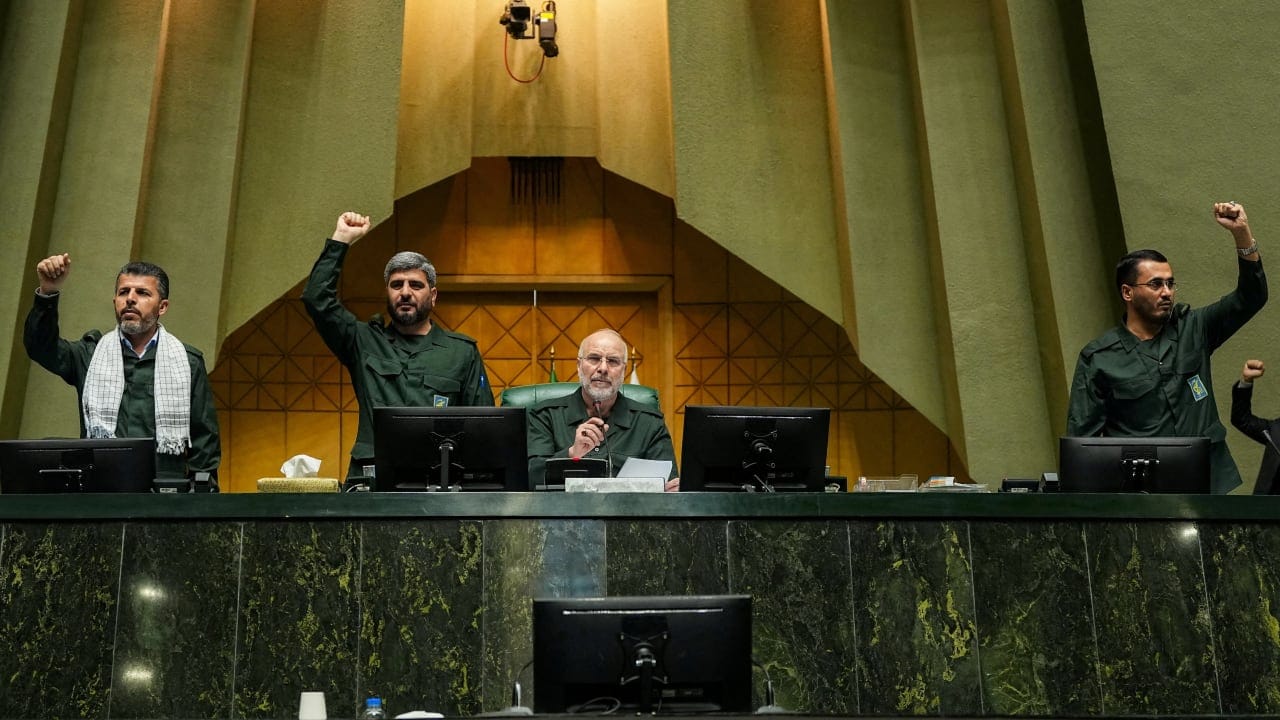
Iran’s leadership is facing an escalating internal power struggle as the country’s economy edges toward collapse, with the Islamic Revolutionary Guard Corps increasingly consolidating control, according to an analysis by diaspora media Iran International.
The report describes what it calls the most significant political upheaval in Iran since the 1979 revolution, driven by a convergence of war, economic crisis, and a growing leadership vacuum.
Together, these pressures are pushing the system away from its traditional balance between civilian government and unelected power centers toward what the analysis characterizes as a more overtly military-dominated structure.
At the center of the tensions is a widening rift between Iranian President Masoud Pezeshkian and senior IRGC leadership, including figures such as Ahmad Vahidi.
According to the report, Pezeshkian has warned that without a ceasefire, Iran’s economy could “completely collapse within weeks,” underscoring the severity of the financial strain the country faces.
However, the analysis suggests that rather than seeking to stabilize the economy, IRGC leaders have resisted restoring authority to civilian institutions and have instead tightened their hold over key decision-making positions.
Disputes over senior appointments, including the blocking of candidates for sensitive roles, are cited as evidence that the military establishment is no longer willing to defer to the formal government.
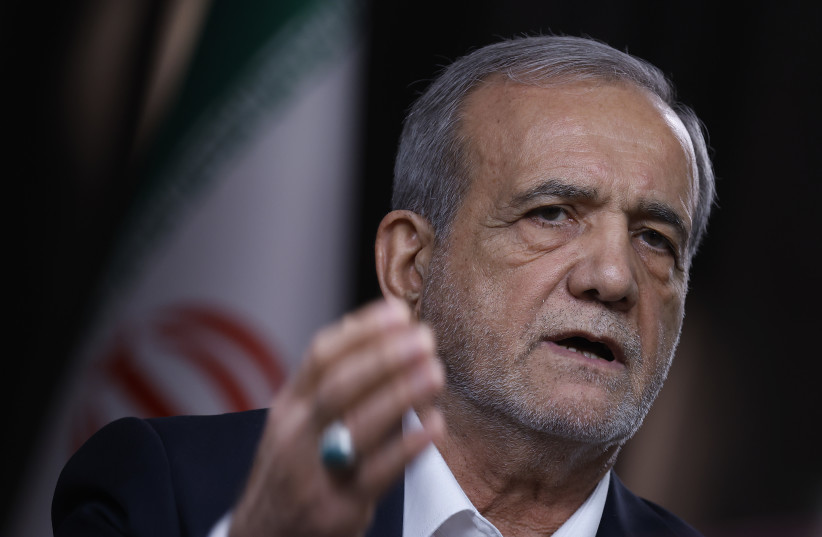
Iran's 'dual system' of governance is breaking down
The report further argues that the longstanding “dual system” of governance, where elected officials operate alongside powerful security institutions, is breaking down. In its place, the IRGC is said to be exercising more direct influence over both political and strategic decisions, increasingly sidelining civilian leadership.
Economic pressures are a central factor in this shift. Years of sanctions, inflation, and structural weaknesses have already strained Iran’s economy, with large sectors dominated by state-linked and IRGC-affiliated entities. The current war has compounded those challenges, raising fears within the leadership of broader instability if conditions continue to deteriorate.
The analysis also points to uncertainty surrounding Iran’s leadership structure, particularly regarding Mojtaba Khamenei. It suggests that his rise reflects internal pressures rather than consolidated authority, with decision-making increasingly shaped by security elites rather than a single dominant figure.
Regionally and internationally, the report argues that this internal shift is already being reflected in diplomatic dynamics, with external actors increasingly engaging figures tied to Iran’s security establishment rather than its formal government.
Overall, the analysis concludes that Iran is undergoing a structural transformation, marked by the weakening of civilian institutions, the growing dominance of military power centers, and a system increasingly oriented toward survival under crisis conditions.