US, Iran approach ceasefire deal, Trump's blockade of Iran ports continues
US-sanctioned tanker turns back to Strait of Hormuz • US-Iran mistrust won't be solved overnight, says Vance • Democrats clamp down on Trump over war powers

US-sanctioned tanker turns back to Strait of Hormuz • US-Iran mistrust won't be solved overnight, says Vance • Democrats clamp down on Trump over war powers


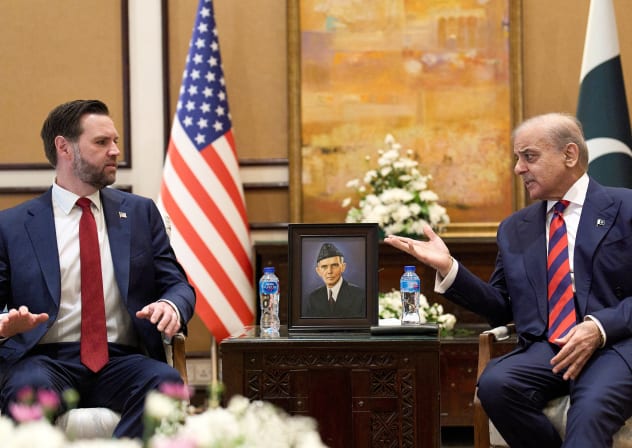
Vance explained that the US discovered that the team would need to return to Tehran “and actually get approval to the terms we had set…either from the supreme leader or somebody else.”

IDF reservist killed, 10 wounded in Lebanon clashes • Israel, Lebanon set for talks • Mossad chief vows Iran regime change efforts to continue

A source involved in the talks said the parties came "very close" to an agreement and were "80% there" before running into decisions that could not be settled on the spot.
Trump said he didn't want to comment on what would happen if a deal wasn't reached by the end of the ongoing ceasefire, but that "it won't be pleasant for them, let me put it that way."

A creator behind viral Lego-style pro-Iran videos told BBC that Tehran is a client, while spreading false claims about the US, Israel, and war events.

Meanwhile, Netanyahu says Israel fully backs Trump’s blockade of the Strait of Hormuz, rejects claims of a rift with Washington, and stresses US demands to halt Tehran's nuclear enrichment program.

Trump said the US military would work with other countries to block all maritime traffic in the waterway, after weekend talks failed to reach an agreement to end the six-week conflict with Iran.

The US has not officially taken responsibility for the strike.
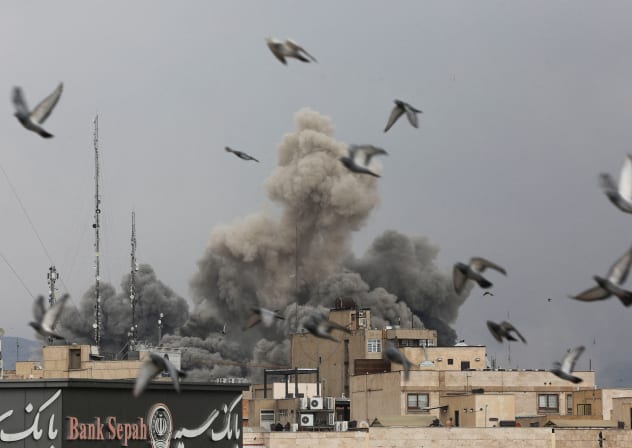
The blockade was set to begin at 10 a.m. Eastern Time, which is in the afternoon in Iran. Whether this marks a bold new strategy or a sign the US is grasping at straws remains to be seen.

After weekend peace talks in Islamabad between negotiators from the US and Iran ended without a deal, US President Donald Trump ordered a full blockade on the Strait of Hormuz.
