US could return to Islamabad for additional negotiations with Iran in next two days, Trump says
"We are more inclined to go there," Trump told The New York Post, after reports surfaced of a new round of negotiations between the two countries.

"We are more inclined to go there," Trump told The New York Post, after reports surfaced of a new round of negotiations between the two countries.


Meanwhile, Netanyahu says Israel fully backs Trump’s blockade of the Strait of Hormuz, rejects claims of a rift with Washington, and stresses US demands to halt Tehran's nuclear enrichment program.

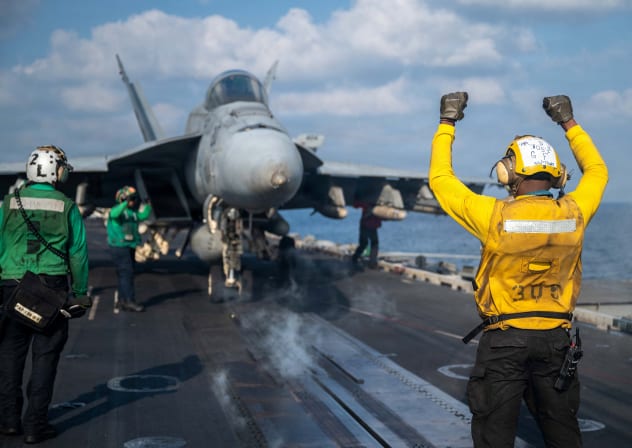
Trump said the US military would work with other countries to block all maritime traffic in the waterway, after weekend talks failed to reach an agreement to end the six-week conflict with Iran.

The US has not officially taken responsibility for the strike.
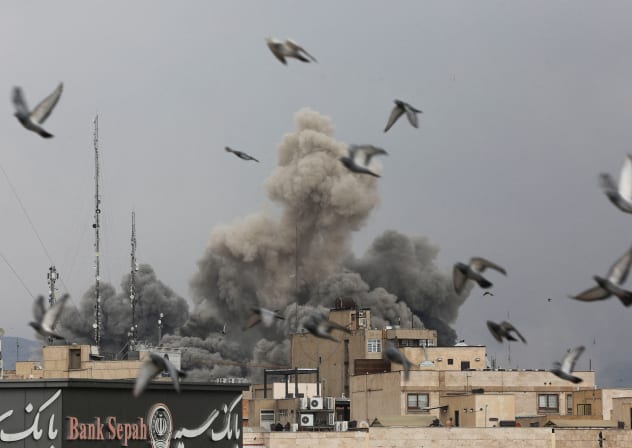
The blockade was set to begin at 10 a.m. Eastern Time, which is in the afternoon in Iran. Whether this marks a bold new strategy or a sign the US is grasping at straws remains to be seen.

After weekend peace talks in Islamabad between negotiators from the US and Iran ended without a deal, US President Donald Trump ordered a full blockade on the Strait of Hormuz.

European countries raise concerns over naval blockade • Trump: ‘I don’t care’ if Iran comes back to negotiations • Erdogan threatens military action against Israel

Trump signaled indifference to renewed Iran talks, blaming nuclear ambitions for their collapse and announcing a US naval blockade.

According to US officials cited by The Wall Street Journal, the US President is considering a limited operation against Iran following the failed round of negotiations in Islamabad.

"The blockade will be enforced impartially against vessels of all nations entering or departing Iranian ports and coastal areas," CENTCOM said in a statement.
Ignoring politics and the constantly changing and confusing public messaging by US President Donald Trump and Prime Minister Benjamin Netanyahu, this war was not really about the nuclear issue.
