Trump asks Pentagon for Iran strike options before midterms - report
The White House has reportedly requested options for strikes before November 3, although no final decision has been made.

The White House has reportedly requested options for strikes before November 3, although no final decision has been made.


Zamir announces IDF intelligence overhaul • Middle East crude oil exports exceed pre-war levels • US pulls all bombers from RAF Fairford air base threatened by alleged Iranian plot

Human rights advocates warned that redevelopment of Gohardasht Prison could erase evidence from a site linked to the 1988 massacre of political prisoners and decades of abuse.

He said Washington "must understand that the period of dragging out the (diplomatic) process and dictating one-sided demands is over."

Though the Foreign Ministry declined to comment to the Post on the reports, Aziznezhad said he would like to see Turkey face justice for its crimes.

A local mayor had estimated that each US service member from the Lincoln could spend up to 3,000 baht ($89) per day during the visit.

A senior Hamas delegation visited Tehran in early September, according to the Kan report, which noted that the delegates met with senior Iranian officials.

Pete Hegseth says US 'hell-bent' on keeping Iran from achieving nuclear weapons • Iran delays renewing Hamas financial support over failure to undermine West Bank stability • Iran executes detainee

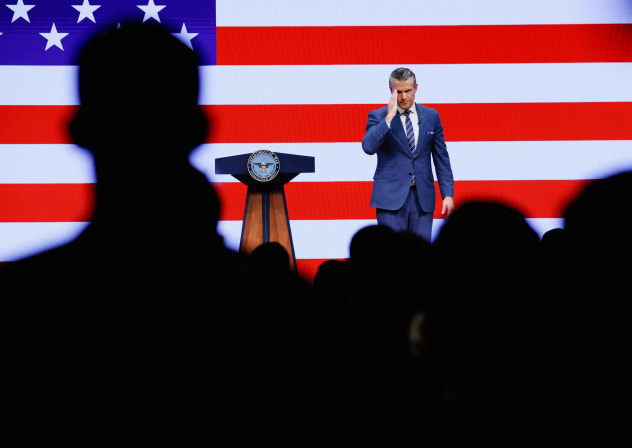
The US defense secretary said Trump would have every military option available, maintained that Washington controls the Strait of Hormuz, and acknowledged that Iran is attempting to rebuild its damag
Iran's judiciary claimed that Siavash Jamshidi Kheirabadi fired at least three shots at police on January 8 and was arrested two days later with a handgun in Shahrekord in southwestern Iran.

The US and its partners said they would strengthen intelligence sharing to prevent Iran from acquiring or transferring technology linked to the development of weapons of mass destruction.
