IDF begins destroying homes used by Hezbollah as forces move deeper into southern Lebanon
Source: Hezbollah using homes as hiding spots for reconnaissance, launchpads for anti-tank fire • More fighters detained after surrendering to Israeli soldiers
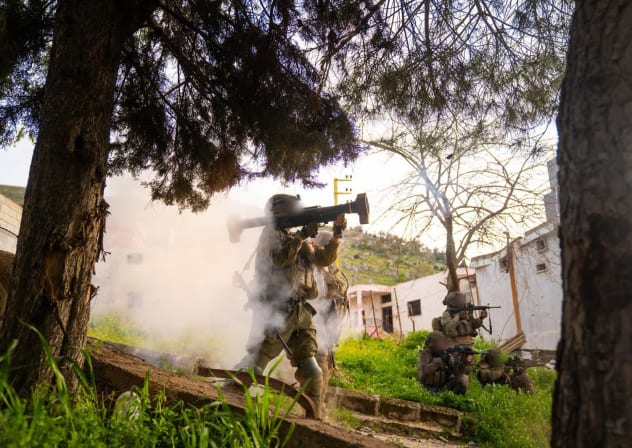
Source: Hezbollah using homes as hiding spots for reconnaissance, launchpads for anti-tank fire • More fighters detained after surrendering to Israeli soldiers


Tehran could use the Houthis to take action in the Bab al-Mandab Strait, which connects the Red Sea to the Gulf of Aden and the Indian Ocean.

IDF kills Hezbollah terrorist working as journalist • Pentagon preparing for week-long ground operation in Iran • Iran, Hezbollah step up night attacks against northern, southern Israel

“If the Lebanese government does not disarm Hezbollah, the IDF will. We will not allow Hezbollah to rearm, and we will continue operating in order to protect our civilians on our northern border.”

According to the Wall Street Journal, the attack, which also involved the use of drones, was confirmed using open-source imagery and data circulating online.

During a speech at the FII Priority Summit in Miami, Trump said that the US is "negotiating now, and it would be great if we could do something, but they have to open it up."

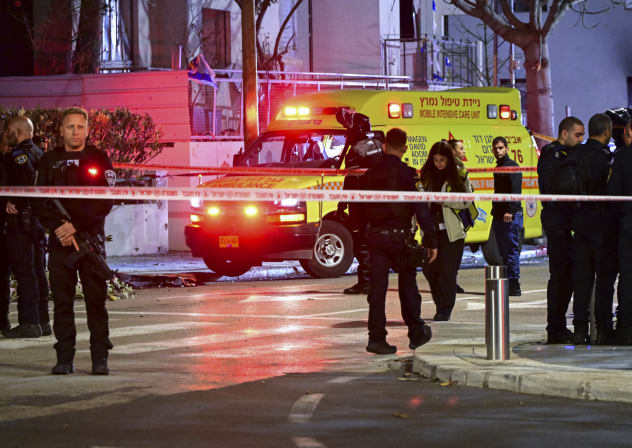
A missile barrage from Iran triggered alarms across southern and central Israel, with police investigating possible shrapnel damage.
According to a Reuters source, US President Donald Trump and top White House officials have been told via interlocutors that Iran's counter-proposal would likely arrive on Friday.

The IDF said Friday's strikes also targeted an Iranian Defense Ministry site used for the development and production of advanced explosive devices.

Iran has launched hundreds of missiles towards Israel since the start of the war, fragments of which are four to five meters long and have landed in school playgrounds.

The big question confronting Gulf policymakers is no longer how the Iran war ends, but what kind of regional order will follow its end.
