Voices from the Arab Press: Iran, the Kurds, and the future of Arab power
A weekly selection of opinions and analyses from the Arab media around the world.

A weekly selection of opinions and analyses from the Arab media around the world.


The US and Israel know that the main hurdle to keeping the lid on the war with Iran is the price of oil, and it will keep rising if no solution can be found for Hormuz and the Houthis.

Yemen's Iran-backed Houthis have in recent days attacked Riyadh's international airport and the state oil giant Saudi Aramco, amid renewed fighting with the Saudi-backed forces.

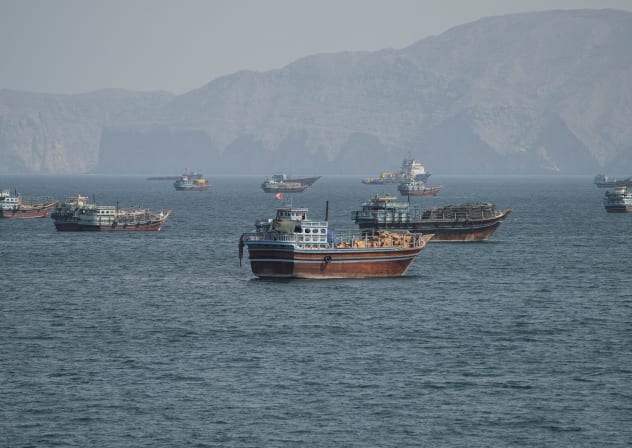
IRNA reported that the vessels had switched off their positioning and radar systems and attempted to use an unauthorized route through the strategic waterway.
A weekly selection of opinions and analyses from the Arab media around the world.

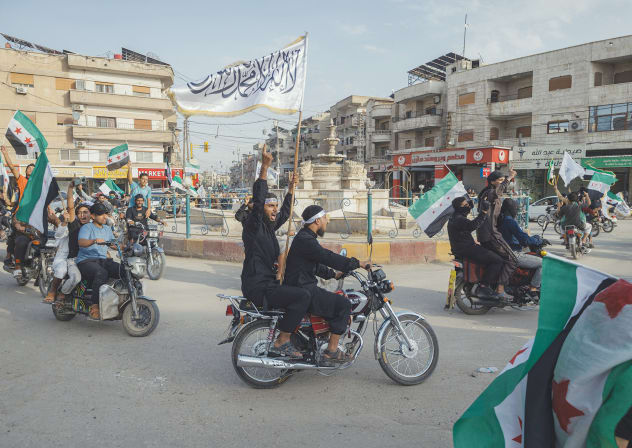
BEHIND THE LINES: While the Kurdish-led authority was dissolved on paper, many of its institutions continued to function in reality.
Sisi, who has served as Egypt's president since 2014, said his departure from office was "settled and will not be discussed."

Cooper said the financial pressure had become severe enough that Iran-aligned militias were reportedly withholding payments from their own fighters to funnel money back to the IRGC.

Adam Baron, a Yemen expert and fellow with Washington-based policy institute New America, told the WSJ that the recent Houthi military gains were "undeniably" based on external Iranian assistance.

Missiles hit Yemen's Aden airport, Saudi coalition intercepts missile near Yanbu • UK advises against nonessential travel to Saudi Arabia • IDF kills Hamas terrorist who stormed Re'im base on Oct. 7
The coalition said it had also destroyed two cruise missiles over the Red Sea and three drones in Saudi Arabia's Southern and Riyadh regions.
