Gulf countries continue to face Iran attacks as criticial energy infrastructure at risk
UAE, Bahrain, Kuwait, and Saudi Arabia continue to face Iranian missile and drone attacks, targeting energy and infrastructure sites despite growing defenses.

UAE, Bahrain, Kuwait, and Saudi Arabia continue to face Iranian missile and drone attacks, targeting energy and infrastructure sites despite growing defenses.


IDF announces Sgt. First Class Guy Ludar died while fighting in Lebanon • IDF admits air defense failures after Dimona, Arad missile impacts • Northern mayor warns of possible Hezbollah barrage

This follows an incident in Bahrain late Friday night where debris from intercepted Iranian drones damaged several houses in Sitra, with four people sustaining minor injuries.

US media reported that the sole pilot on board was safely rescued, with Tehran claiming the shootdown of the A-10 as the second successful strike on a US aircraft within 24 hours.

The Strait of Hormuz, controlled on one side by Iran, carries a fifth of the world's oil trade.

Iran told mediators it is unwilling to meet US officials in Islamabad to discuss a ceasefire, as regional intermediaries such as Egypt and Turkey search for alternate solutions to end the conflict.
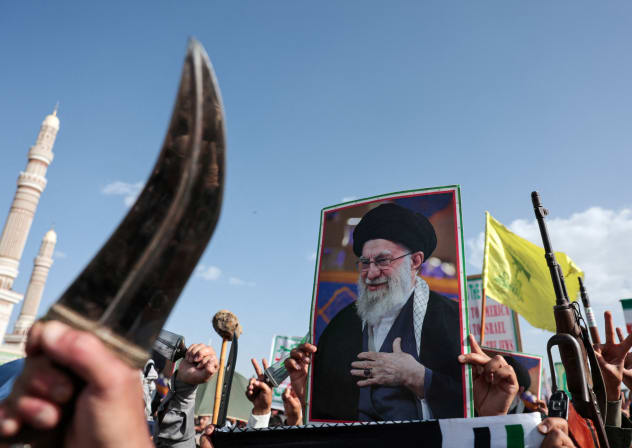
Israel and the US put pressure on Iran militarily, but domestic politics and regional dynamics could shape how the conflict unfolds and eventually ends.

According to the military, troops identified the group of armed terrorists operating in a manner that posed an immediate threat to adjacent IDF forces in the area before conducting a strike.

PMF units reportedly entered Iran last January and assisted the Islamic Revolutionary Guard Corps in the massacre of civilians.

The Israel Air Force targeted one of the two central facilities used to produce materials for explosives, ballistic missiles, and additional weaponry.

The global surge in food prices comes as the Strait of Hormuz, a key shipping route in the Middle East, remains shut down as governments scramble to reopen it.
