
As international discussions intensify over a proposed multinational force to secure Gaza following the Israel-Hamas War, reports suggesting that Egypt may be chosen to lead such an operation should raise grave concern. Israel’s peace with Egypt – one of the Middle East’s most valuable yet fragile diplomatic achievements – is built on distance, restraint, and careful diplomacy.
Involving Egypt directly inside Gaza, either in a leadership role or with troops on the ground, would create immediate tension and jeopardize the fragile peace that has endured for more than half a century. What may begin as goodwill could quickly backfire, as inevitable disagreements arise – creating political friction that could destabilize both nations and erode decades of stability.
This danger is not theoretical; it has already begun to show. Even before Egypt played any formal peacekeeping role, and while Israel was still engaged in war with Hamas, Cairo unilaterally threatened to suspend its peace treaty – not in response to any direct conflict with Israel but merely as leverage while hosting ceasefire talks. Egypt’s reaction – choosing to pressure Israel diplomatically while Hamas continued its aggression – revealed just how delicate and one-sided the balance truly is.
If that kind of hostility emerged when Egypt was only a mediator, imagine the consequences if Cairo were appointed as the “policeman” responsible for securing Gaza. The risks multiply exponentially. Egypt would be tasked with enforcing calm against the very Palestinian terror groups it must also appease politically in the Arab world.
When those groups – whether Hamas or future factions operating under a new name – are asked to surrender weapons or disband, Cairo will face immense domestic pressure. The likely result is predictable: strained cooperation with Israel, increased tension across the border, and renewed threats to its decades-old peace treaty itself.
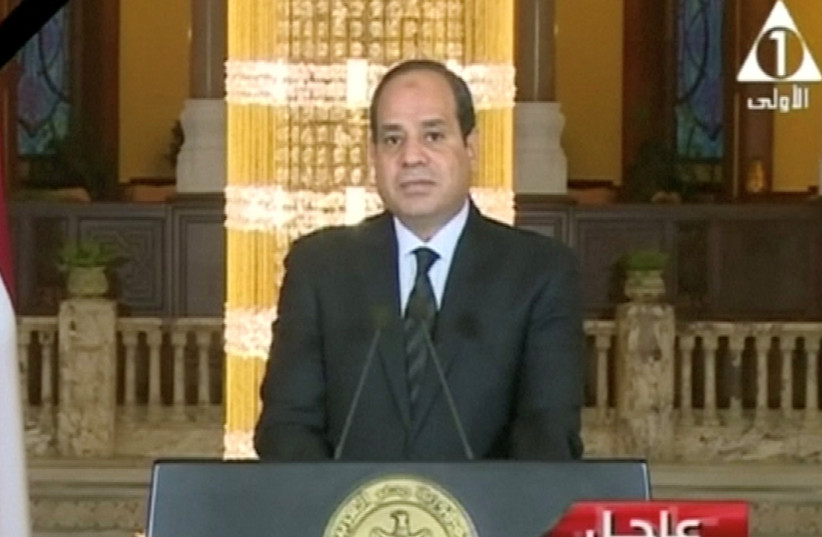
These diplomatic and political dangers are compounded by the brutal reality on the ground. The recent Hamas ceasefire violation in Rafah – where terrorists opened fire on Israeli soldiers, killing two and injuring others – was yet another painful reminder of Gaza’s volatility and the impossibility of trusting terrorist organizations to honor agreements. Israel’s swift and decisive response, targeting Hamas leadership and infrastructure, was not only justified but essential.
Yet this incident also underscores why Israel cannot entrust its defense or post-war stability to any external or neighboring military force. Rewarding Egypt with command authority or troop deployment inside Gaza would not bring peace; it would invite confusion, confrontation, and instability.
The Israel-Egypt peace treaty, achieved after Israel’s return of the Sinai Peninsula, remains a cornerstone of regional stability. But its success depends on mutual restraint, not shared responsibility for Israel’s defense. Giving Cairo operational control over Gaza would alter that equilibrium, transforming a hard-earned peace into a potential fault line.
<br><strong>Contingent threat to Israel’s security and peace deal</strong>
Equally critical to Israel’s security is to address the integrity of any multinational peacekeeping force. Every soldier, officer, or participant must undergo comprehensive security screening before deployment. The world cannot afford another UNRWA (United Nations Relief and Works Agency) catastrophe, where Hamas sympathizers infiltrated an organization meant for humanitarian service.
Without strict oversight, the very peacekeeping mission designed to stabilize Gaza could become a conduit for subversion and terror, threatening not only regional security but also the fragile framework that underpins Israel’s diplomatic peace treaties.
The United States and its allies – under the leadership of President Donald Trump – have a responsibility to ensure that any future framework protects Israel’s sovereignty and long-term stability. The Jewish state’s security cannot depend on symbolic coalitions or diplomatic theater. It must rest on moral clarity, deterrence, and the refusal to entrust its survival to those whose politics or proximity could one day turn against it.
Israel’s peace with Egypt must be preserved, not placed in jeopardy. Allowing an Egyptian-led or staffed peacekeeping force inside Gaza would risk turning a stable diplomatic partnership into a source of renewed conflict.
The world stands at a decisive crossroads. The temptation to claim progress or project regional unity must not override the hard lessons of history. True peace is not achieved through proximity or pressure; it is sustained through vigilance, vetting, and vision.
Israel and its allies must choose wisely. The future of Middle East stability – and the credibility of international peacekeeping itself – may well depend on that choice.
The writer is founder and CEO of the Orthodox Jewish Chamber of Commerce, a global umbrella of businesses bridging the business and governmental worlds, stimulating economic opportunity, and positively affecting public policy of governments around the globe.