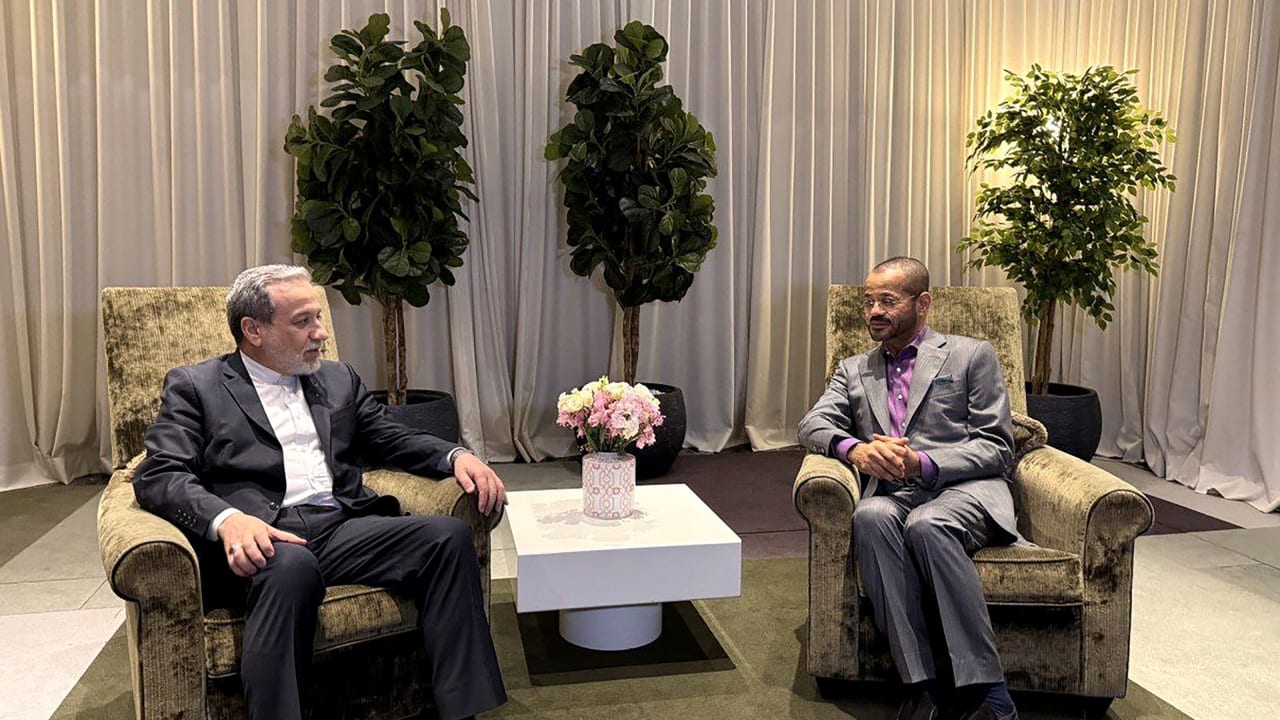
For months now, Western capitals have clung to the hope that Iran’s return to the negotiating table represents a genuine opportunity for a durable nuclear agreement. Yet, as the latest round of talks in Geneva concludes, it is increasingly clear that Tehran’s priority is not a deal but delay.
The regime in Tehran has mastered the art of diplomacy as a stalling tactic, using negotiations not to reach closure but to buy time to rebuild its capabilities, entrench its strategic assets, and rebuff meaningful constraints on its ambitions.
The Jerusalem Post’s own coverage of the third round of indirect US–Iran talks underscores this dynamic. Tehran’s submission of a “new nuclear proposal” was heralded in some quarters as a breakthrough. But read closely, and the contours of this packet of paper are less about concession and more about preservation.
Iranian officials couched their proposal in maximalist terms, insisting on guarantees of their right to maintain a full fuel cycle and demanding sanctions relief as a precondition for any real compromises. This is not the language of a party intent on genuine breakthrough agreements but one of a regime intent on extracting breathing room.
This is not an isolated pattern. History tells us – both in Tehran’s own conduct and in Western diplomatic experience – that Iran has rarely, if ever, negotiated with real intent to curb its strategic programs. As the Post reported last year, every time Iranian authorities face credible pressure, they pivot to “negotiations – not to reach an agreement but to buy time.”

Tehran's red lines eliminate space for meaningful negotiation
Whether during previous rounds of talks or in the more recent stuttering negotiations in Geneva, Tehran’s objective has been to deflect escalation while using the pause to reinforce its nuclear, military, and proxy capabilities.
Tehran’s recent framing of its proposal as offering “maximum flexibility” within its redlines is telling. In diplomacy, redlines are meant to be boundaries to negotiation. If the Iranian redline is the right to retain a complete fuel cycle and control of enriched-uranium stockpiles, then the space for meaningful negotiation shrinks to nearly nothing.
Washington insists that zero enrichment must be the standard for any deal that meaningfully constrains weaponization potential. Tehran’s refusal to entertain that has repeatedly stalled talks.
Offers to dilute enriched uranium rather than export it, to allow some monitoring rather than full transparency, and to entertain recognition of a peaceful nuclear program without tampering with hard military or enrichment capabilities are not concessions; they are rebrandings of the status quo.
These positions serve to prolong negotiations while doing little to diminish the intrinsic risks posed by the program.
Moreover, Tehran’s wider behavior during these stalling periods reveals its strategic calculus. While its diplomatic corps speaks of fairness and cooperation, Iran continues to assert its regional ambitions through proxy warfare and missile development.
It barely disguises its intent to use diplomatic engagement as a shield – not just for its nuclear program but for its ballistic-missile capabilities, its influence in Yemen and Syria, and its support for Hezbollah and other militias.
It is one thing to negotiate over centrifuges; it is quite another to treat diplomacy as cover for power projection across the Middle East.
Trust versus leverage
This brings us to the core tension in current negotiations: trust versus leverage.
The West, particularly the United States, wants a deal that is verifiable, lasting, and definitive. Iran wants a deal that buys it sanctions relief and diplomatic legitimacy while leaving its core strategic capacities intact. These goals are irreconcilable if one side is bargaining for security, and the other is bargaining for survival on its own terms.
A final illusion that must be dispelled is that Iran’s diplomatic chatter is indicative of good faith. History should have taught us otherwise. Whether in talks throughout the 2010s or in the fractured negotiations today, Tehran’s pattern has been consistent: Engage when under pressure, extract what concessions it can, then walk back substantive commitments once global attention wanes. In the interim, enrich uranium stockpiles, harden facilities, and solidify regional proxies, all the while claiming that it seeks peace and mutual respect.
Iran is not negotiating toward a deal; it is negotiating around a deal. For Western policy-makers and Middle Eastern states alike, the challenge is not merely to lower the temperature in Geneva but to recognize that Tehran’s strategy is to extend talks indefinitely unless cornered by unambiguous consequences.
If diplomacy is to be more than a stalling game, it must start from the premise that Iran’s engagement is tactical, not heartfelt, and it must be met with clarity about what will happen if time simply runs out.