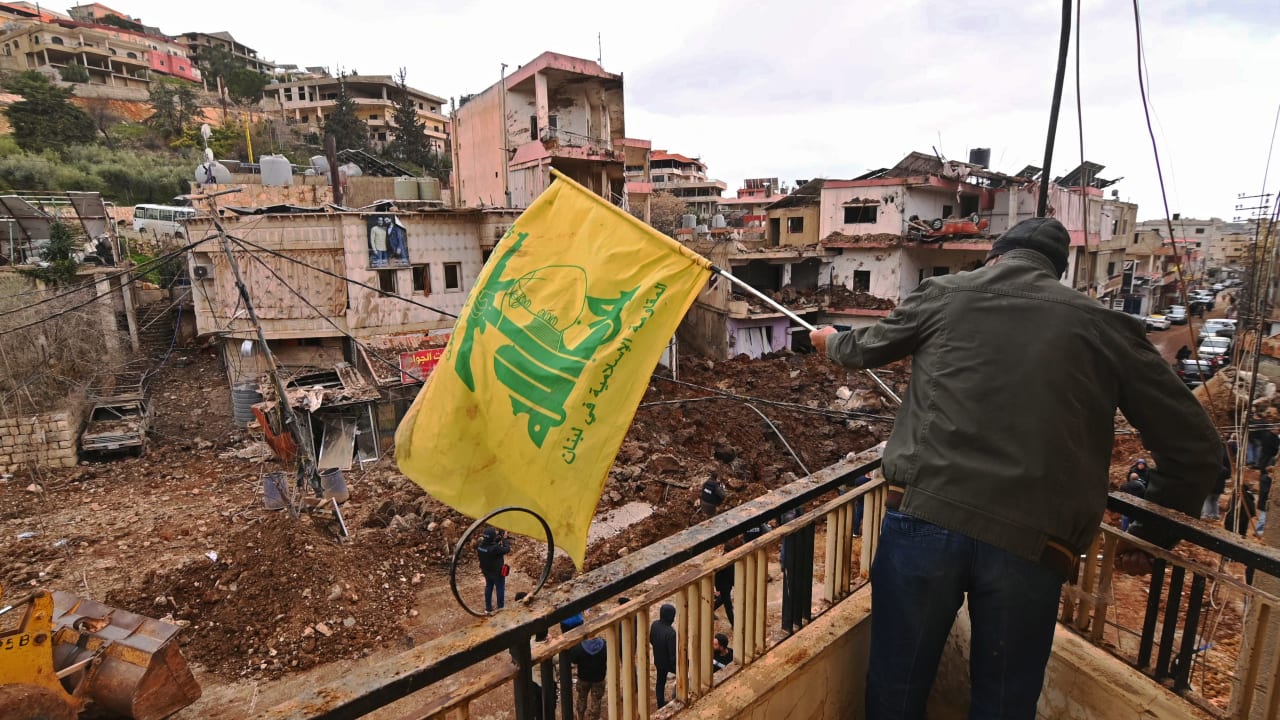
Hezbollah’s rocket fire into Israeli territory – the first since the 2024 ceasefire – is no border skirmish. The Lebanon truce collapse, northern front activation, and expanded Israeli strikes around Beirut and southern Lebanon signal a dangerous strategic escalation, rewriting the rules of engagement.
Hezbollah’s entry into the fray underscores that the US-Israel confrontation with Iran has entered a perilous new phase, risking a complex, multi-arena conflagration across the Middle East.
A focused Iranian retaliation has swiftly morphed into a coordinated offensive campaign: Hezbollah’s northern arm mobilized, eastern border friction, Persian Gulf threats, and unprecedented missile strikes targeting a British base and Italian forces in Cyprus for the first time.
Tehran aims to impose multi-front overload, erode Israel’s deterrence, and force Washington into a stark dilemma – remote deterrence or deeper direct involvement – potentially drawing in Russia and China.
Unlike past clashes, Iran’s escalation transcends border friction, targeting global energy and trade arteries. Gripped by a perilous “Shia suicide” logic – with nothing left to lose – the Islamic Republic deems all-out confrontation imperative. Steep domestic and international costs serve a supreme strategic goal: dismantle the regional order, shatter geopolitical stability, and widen pressure circles on its adversaries.

The broadening conflict
The northern front is just the start. Saudi oil facilities, Hormuz Strait shipping (21 million barrels/day), and Gulf maritime routes are not hypothetical – they are deliberate geo-economic leverage. Current oil and gas price spikes already fuel global inflation, plunging world markets into volatility. Tehran signals that its “levers of pressure” extend far beyond military means to financial and energy domains.
The outcome: a multi-arena war risking conflagration across the Middle East – Lebanon as active theatre, the Gulf as a flashpoint, and great powers (US, China, Russia) forced to pick anti-American sides or mediate. When a regime operates from desperation, vengeance, and unchecked hatred, the risk of miscalculation skyrockets. At stake is not just Israel’s northern border, but regional stability and the global economy.
For Israel, the implications are grave, yet this regional escalation sharpens its relative strength. The current campaign tests national resilience, military superiority, and public endurance – and Israel proves capable of managing multiple complex fronts simultaneously.
Expanded northern barrages, activation of additional militias, and Gulf tensions create a multi-dimensional battlefield where Israel operates from strength, experience, and clear intelligence-operational advantage.
Disruptions to energy routes or global trade drive higher defense costs and domestic economic pressure, yet underscore Israel’s centrality in the regional architecture and its functionality under fire. Israel stands as a robust state – with rapid response capability, robust US backing, and key international partnerships – granting it a decisive edge against a desperate, escalatory Iranian regime.
This is a historic moment that carries dual potential: one misstep by any player – north, Gulf, or Washington – could reshape the region. But it also showcases Israel’s capacity, resources, resolve, and spirit to preserve its strategic maneuverability and secure long-term stability.
The writer holds a PhD and is a geopolitical risk strategist.