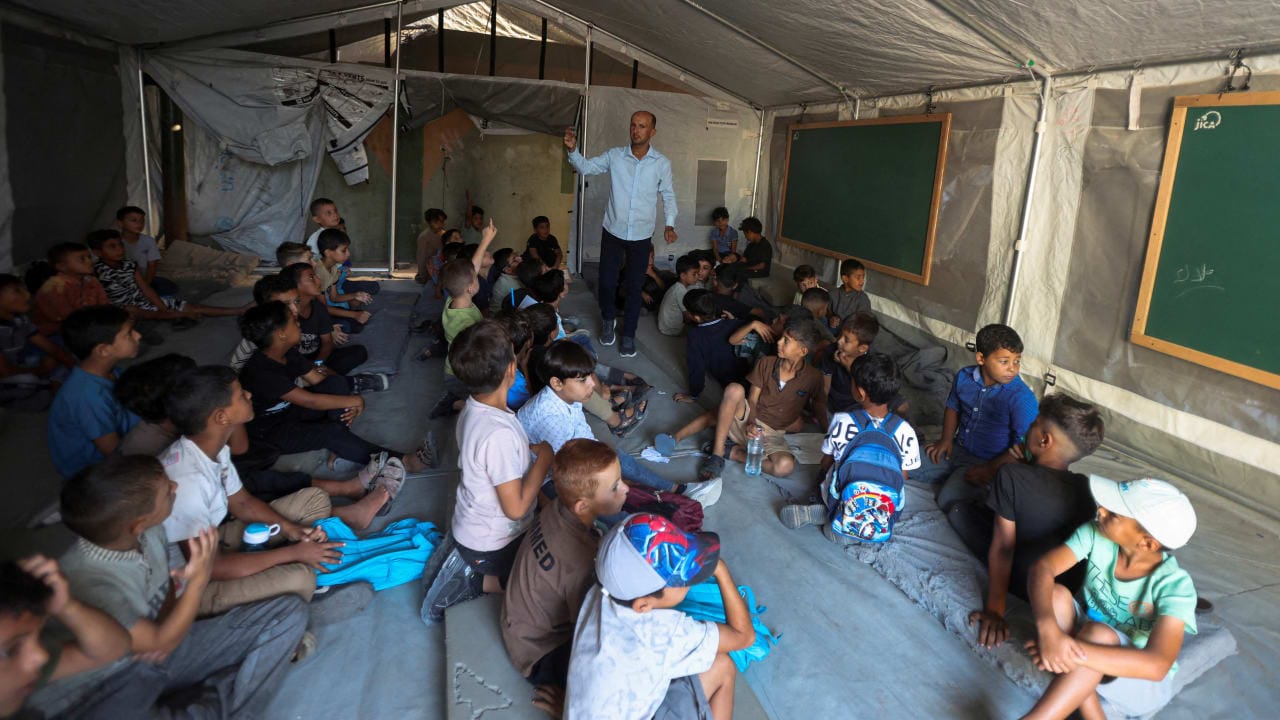
In Gaza, where children have grown up surrounded by war, fear, and displacement, a Palestinian teacher is opening a different door.
Ahmed Al-Sourani has introduced Hebrew lessons to children in Gaza, giving them an opportunity to learn the language of their neighbors. His initiative carries a message that deserves to be heard by Palestinians, Israelis, and Jewish communities who believe that a different future is possible.
Learning Hebrew does not mean abandoning Palestinian identity. It means giving children another tool to understand the world around them.
For Palestinian children, learning Hebrew can create opportunities for communication, knowledge, and a deeper understanding of Israeli society. For Israeli children, learning about Palestinian history, Arabic, and life in Gaza can challenge stereotypes and help them recognize the humanity of their neighbors.
As a Palestinian, I want our children to remain proud of their identity, their Arabic language, and their national rights. But I also want them to understand the people living next door.
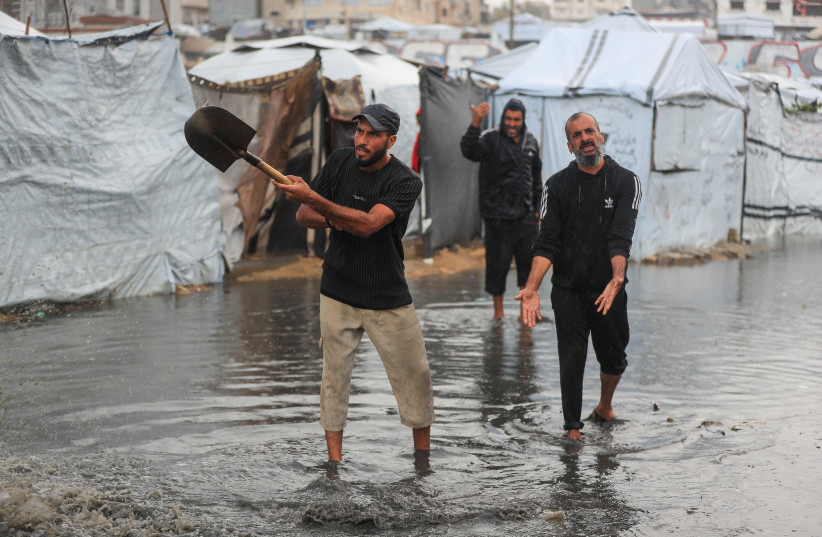
We do not have to agree on every political question to recognize that civilians deserve safety, dignity, and the opportunity to live.
I know that October 7 brought terrible pain to Israeli families. The killing of civilians and the taking of hostages cannot be justified. Every family deserves to live without fear. At the same time, Palestinian families in Gaza have endured devastating suffering, displacement, and loss. Their lives and rights must also be recognized.
Recognizing one people’s pain should never require denying another’s.
Education is not surrender
Some may ask why children in Gaza should learn Hebrew while their society continues to suffer. My answer is simple: Education should prepare children for life, not permanent conflict.
Learning Hebrew does not mean accepting every policy of the Israeli government. It does not erase Palestinian history or replace Arabic. It gives children an additional ability to communicate, understand their neighbors, and access information directly.
I want Israelis to understand that Gaza is not simply a security question. It is home to families, teachers, doctors, and children who want to live with dignity. And I want Palestinian children to understand that Israeli society is not a single voice. Understanding people begins with listening, learning, and recognizing differences.
The purpose of education is not to make children forget their history. It is to give them the knowledge and confidence to shape their future.
From the classroom to the Knesset
Education can open a door, but Gaza also needs a genuine political voice. For years, political organizations have claimed to represent Gaza. Yet the people who live there must have the opportunity to express their own interests and determine their own future.
I believe Palestinians deserve meaningful political representation, participation, and the freedom to decide how they want to be represented.
This is why I want to raise an important question: Could Palestinians from Gaza, if they freely choose it, have their voices heard in Israeli institutions, including the Knesset, while preserving their national identity and their right to self-determination?
This is a vision for political dialogue, not a proposal to impose representation on Gaza. No individual, movement, or institution should claim to speak for Gaza without the consent of its people. Any political arrangement must respect equality, democratic legitimacy, and Palestinian freedom of choice.
The purpose is to create genuine channels through which Gaza’s residents can communicate their needs, concerns, and proposals directly. Gaza’s future cannot be decided without Gaza’s people.
I believe Israelis who support peace should be willing to hear Palestinian voices not only during humanitarian crises but also when discussing political rights, security, and the future of the region.
A message to our neighbors
I am not suggesting that Hebrew lessons alone can end the conflict. Education cannot replace political solutions, accountability, or the protection of civilians. But I believe a different future begins when we stop treating understanding as a threat.
To my Israeli and Jewish friends who believe in peace: I do not ask you to forget your pain. I ask you not to forget ours. I do not ask you to abandon your identity. I ask you to recognize ours.
Palestinians deserve freedom, security, dignity, and the right to determine their future. Israelis deserve security and the opportunity to live without fear. These aspirations should not be treated as mutually exclusive.
Ahmed Al-Sourani is teaching children the language of their neighbors. I hope this initiative can become part of a wider effort to support education, dialogue, and genuine political participation.
I want Palestinian children to learn Hebrew without losing their identity. I want Israeli children to learn about Palestinians beyond the images of conflict. And I want both societies to understand that recognizing the humanity of the other does not mean surrendering their own rights.
Gaza does not need another generation taught to hate. It needs a generation equipped to defend its rights, understand its neighbors, and build a future in which freedom and dignity are possible for both peoples.
The journey may begin with a child learning a new word. But it must lead to something greater: a future in which Palestinians and Israelis can live as neighbors, not permanent enemies.
Gaza wants to live. And its children deserve the chance to build a future beyond war.