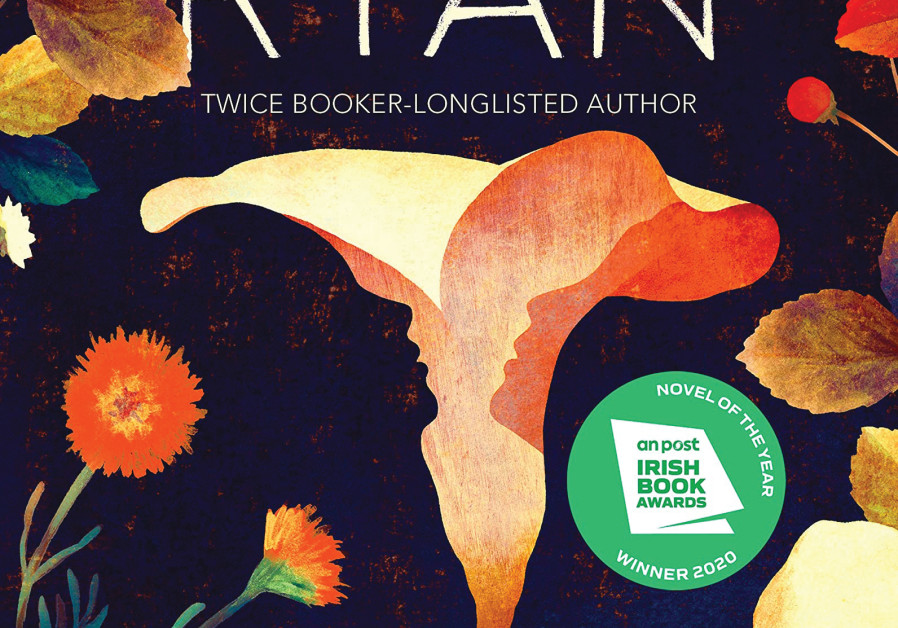
Strange Flowers, Donal Ryan’s slim, quietly powerful fifth novel, begins with the first of three disappearances. Moll Gladney, a young woman in her early 20s, raised “without boldness or cheek or any impudent forwardness,” is suddenly gone from her parents’ little cottage in County Tipperary. Last seen boarding the bus bound for the train to Dublin, she left no note to say where she was heading or why.
“People made the same old small-talk as always, though there was a funny air to it... It wouldn’t do to be sympathizing too much, because that way Paddy might think they were thinking what it was only natural to think: that Moll Gladney was either pregnant or dead, and it was hard to know which one of those was worse.”
Moll’s parents were in anguish over the fate of their daughter for “five long years of living death,” then, just as suddenly as she had disappeared, Moll returns with the news that she’s been working in London. But why had she vanished with no explanation? We don’t find the answer to that for a good long while, but we do learn that she disappeared from London as abruptly as she had from Ireland. That news is borne to the Gladneys by Alexander, an Englishman of Jamaican ancestry, a black man who is in fact her abandoned husband.
He has tracked her down and come to join her, bringing with him their strangely pale infant child, Joshua. This really sets the village abuzz, the parish priest charging Paddy to “be sure and find out is he a Catholic at least?”
As it happens, Alexander, a gentle, hardworking man, is eventually accepted by the villagers impressed by his decency and ability to fit in. He even takes up hurling for a season, drawing “crowds that had never before been seen, all turned out to see the hurling black man.” But if Alexander finds his place in this little world, there’s still something not right in the marriage, something amiss with Moll. As it eventually emerges, their son, Joshua, senses this and, in time, he, too, abruptly leaves without notice.