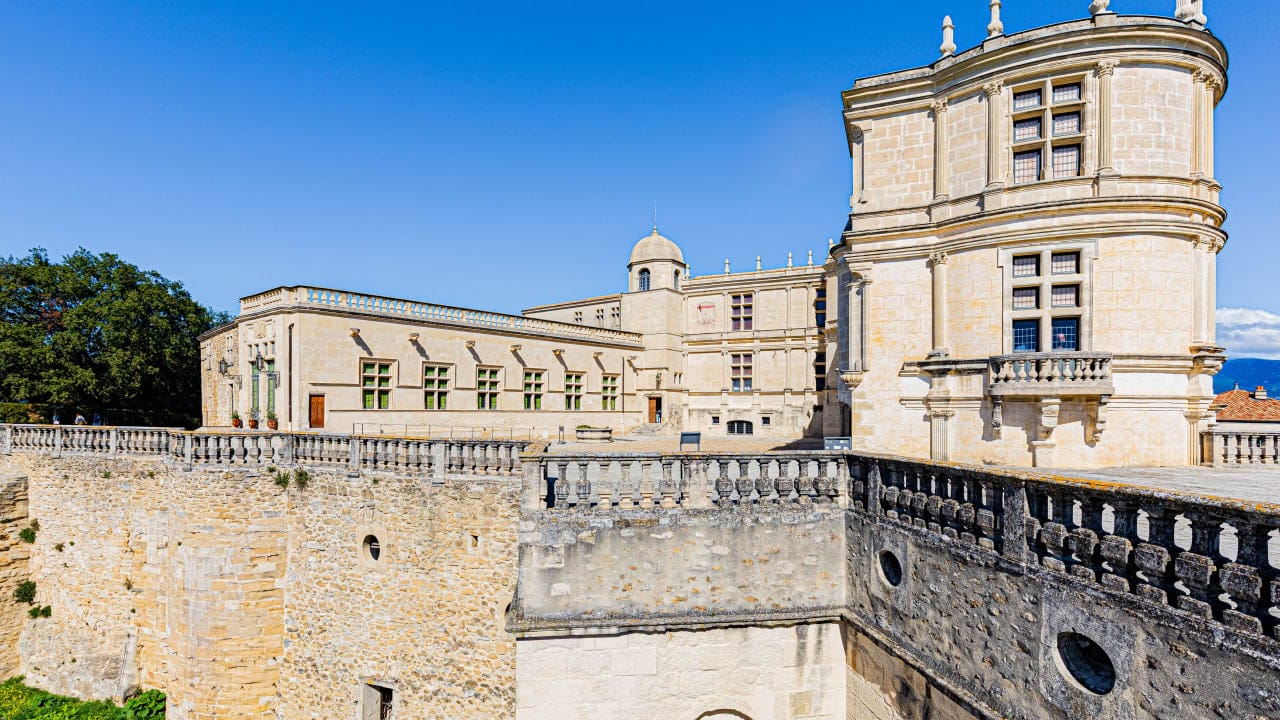
Only a few weeks ago, on November 30, the Loire Valley marked its silver jubilee on UNESCO’s World Heritage List, celebrating 25 years of recognition for its extraordinary architectural heritage and enlightenment-era cultural landscape.
Drawn by the celebration and the promise of open skies and the calm sweep of the French heartland, we left Paris behind and followed the call of France’s Storybook Valley. So close to the capital, yet already carrying a gentler breath, the region feels like a quiet world of its own.
Reaching the city of Tours (pronounced: Toor), the gateway to the region, was effortless: a smooth, direct train ride from Paris-Montparnasse that replaced boulevards with vineyards in just over an hour. At the station, a modest rented car became our companion for the journey, ready to carry us through winding roads and riverside paths. From here, we hoped that the Loire would reveal itself slowly; that its châteaux – of which we heard so much about – would appear one by one like soft echoes of history drifting along the water.
With this plan in mind, we chose the unfamiliar Tours as our base. The city turned out to be a pleasant surprise. Although modest compared to France’s giant universities, the Université de Tours, with its roughly 30,000 students, lends the city a distinctly youthful rhythm.
We immediately felt the academic presence not in sprawling campuses but in the atmosphere: lively cafés spilling onto medieval streets, bookshops and brasseries buzzing well into the evening, and a gentle cosmopolitan mix of students from across France and abroad.

It softens Tours’ historic elegance, adding a sense of movement and modern life woven through Renaissance façades and quiet riverbanks. The result is a city both cultured and relaxed, where university life subtly shapes the mood without ever overwhelming it.
In contrast to this deep heritage and layers of grandeur, we chose something far simpler for our stay in Tours: the new Garden Inn, a Hilton-branded hotel. Both modest and modern, its central location, private underground garage, functional-minimalist décor, and straightforward furnishings created an atmosphere of unfussy comfort.
Choosing which Loire Valley châteaux to visit is both a delightful and challenging dilemma, one that quickly becomes overwhelming. There are 300 châteaux in total, and about 100 are open to the public.
Each with its own story carved in stone, we found ourselves wondering how to experience the valley in a way that felt genuine and not rushed. Two châteaux per day felt right: enough to absorb the magic without drowning in it. With our rented car and a sense of adventure, each morning we crafted a route that would reveal the valley’s essence through four iconic landmarks.
Closest to Tours, the regal Château d’Amboise is perched high above the Loire like a guardian of the river it has watched for centuries. Once a favored royal residence, its terraces open onto views so vast and serene they feel almost cinematic.
Walking its ramparts, the wind brushing the river below, we understood why the French kings chose this rather small place not just for power, but for inspiration. Even Leonardo da Vinci, whose resting place lies within the castle grounds, seemed to have left a trace of curiosity in the air.
From royal heights, we moved to Château de Chambord, the valley’s most extravagant masterpiece, a must-see in every travel book. Nothing prepared us for its scale: a fantastical creation of spiraling towers and a double-helix staircase attributed to da Vinci himself.
I can say out loud that Chambord is not a château to “visit”; it is one to marvel at, to feel small before, to wander through as if inside a dream where architecture becomes theater. Its vast grounds stretch endlessly, a reminder that the French Renaissance once had both imagination and land to match.
CHAUMONT-SUR-LOIRE is a castle with a different charm. Lighter, more whimsical, perched above the river with a poet’s grace. I couldn’t help thinking how it fits the mood of the fairy tale “Rapunzel.” The towers here practically beg for a ribbon of hair to fall from them.
We were intrigued to experience a venue famous today for its international garden festival. It blends history with creativity, tradition with play. The château’s intimate rooms whisper stories, but it is the surrounding landscape that invites slow wandering.
Art installations hide between the ancient rooms and the trees and flowers, softening the stone walls. Les Pierres et le Printemps (“The Stones and the Spring”) by Gerda Steiner and Jörg Lenzlinger is an immersive installation set inside the former church. That is the most striking. A poetic forest of tangled branches rises inside the château chapel like a dream-born pavilion, where nature seems to reclaim the sacred stone in quiet, intentional wildness.
For my money, the enchanting Château de Chenonceau, the “Ladies’ Castle,” stretching elegantly across the Cher River, was the highlight. Few places capture the romance of the Loire like this château reflected in the water beneath its arches.
If Chaumont calls for “Rapunzel,” this wonder recalls the elegance of Swan Lake, a place where ballerina-princesses might appear at dawn.
Built, expanded, and protected by the remarkable women who shaped its past, Chenonceau carries a rare tenderness. Walking through its galleries suspended over the water feels like crossing time itself. Each window frames river light as if the château were floating.
By choosing just a handful of châteaux, we discovered that the Loire is not about quantity but resonance. Each castle revealed a different facet of the valley’s soul: royal ambition, architectural genius, artistic creativity, and feminine grace.
Over 4,000 wineries operate in the Loire Valley
Beyond the castles, we wanted to reveal other treasures of the valley: its vineyards. The wineries here unfold like a quiet ribbon along the riverbanks, where centuries-old estates craft wines with the same patience and precision that shaped the valley’s architecture.
Over 4,000 wineries are operating across the Loire Valley, stretching along roughly 1,000 km. of the river, producing some of France’s best wines. Tasting, enjoying, and buying wine bottles to take home is a joy not to be missed.
This region is especially celebrated for its white wines – fresh, mineral, and expressive of the land itself. Each tasting feels like entering a centuries-long conversation between soil and winemaker, a gentle reminder that the Loire’s beauty is not only seen, but savored.
And at the center of it all stands Tours, the cultural and historical gateway to the valley, framing the wine experience with both heritage and heart.
Unlike Paris, the Loire is a remedy to slow with us, its waters moving in a soft, steady rhythm as if offering a quiet farewell. Returning the car was smooth, and we hopped onto the train and watched the countryside slip by like turning pages of an old, beloved book.
We definitely understood why travelers keep coming back to this valley: because here, France speaks softly, yet leaves a song that lingers long after we have gone.
The writer is the Travel Flash Tips publisher.