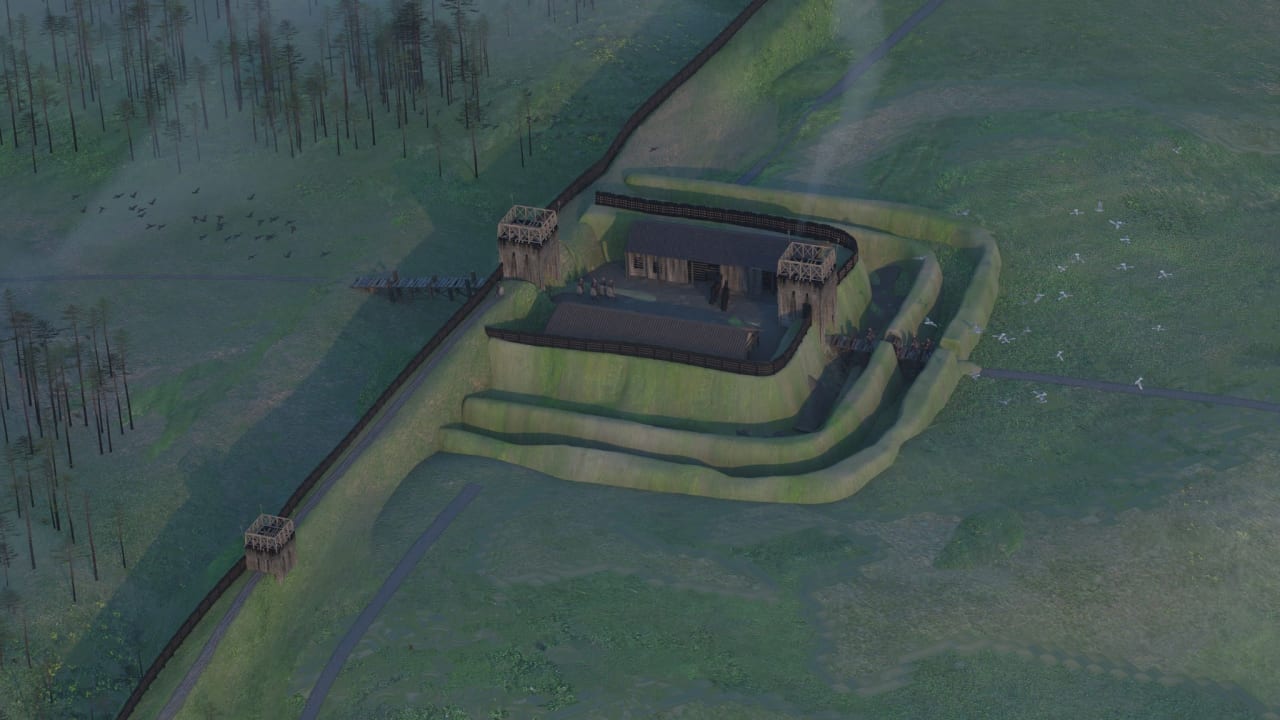
Ruins of a Roman “fortlet” built along the Antonine Wall may have been used as part of the empire’s defense against the unconquered Scottish lands to the north, according to a March statement from GUARD Archaeology.
While the fortlet was originally discovered in the back gardens of three homes in Bearsden, Scotland during 2017 excavations ahead of various property development projects, the complete findings were recently published in Archaeology Reports Online.
The Antonine Wall, constructed on the orders of Roman Emperor Antoninus Pius in the second century CE, was a defensive border built to separate the conquered southern Scotland from the unconquered lands to the north.
However, about 20 years after its construction, the wall and its fortifications were abandoned by the Romans during their retreat south to Hadrian’s Wall.
According to GUARD, the fort was constructed on high ground along the Antonine Wall, granting it an unobstructed view of the surrounding area, and intervisible with a much larger fort discovered to the west.
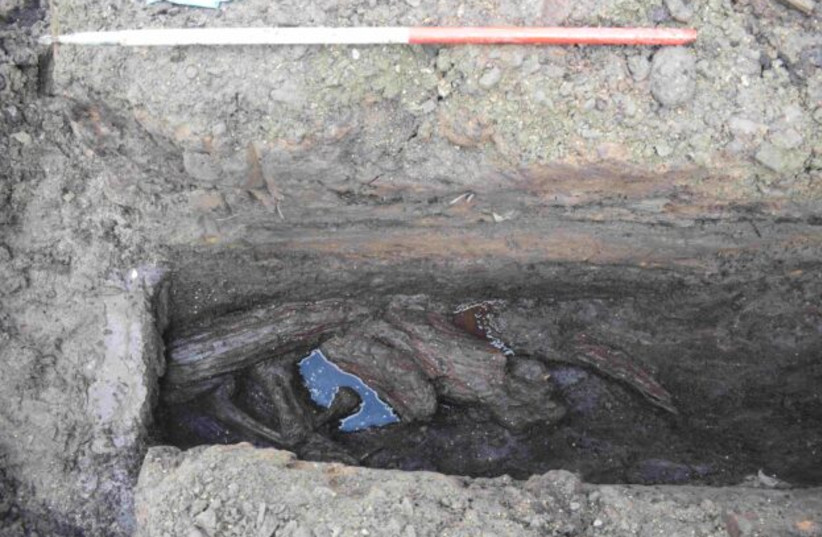
Additional finds discovered at the fortlet
Following the fortlet’s discovery, Historic Environment Scotland commissioned further excavations of the area, the statement said, which revealed a ditch dug parallel to the structure containing peat deposits, wood and vegetation.
Two Roman pottery shards were also discovered.
Archaeologists radiocarbon-dated the wood to approximately 127–247 CE, lining up with historical record of the Roman’s use of the wall and the years following their departure.
Additional analysis of the vegetation and fossil evidence from the ditch revealed that when the fort was built, “the surrounding landscape was open pasture with areas of partially cleared woodland, mainly alder, hazel and willow, with lesser amounts of oak and birch,” GUARD added.
Further surveys of the area revealed additional stone structures believed to have belonged to the Antonine Wall itself.