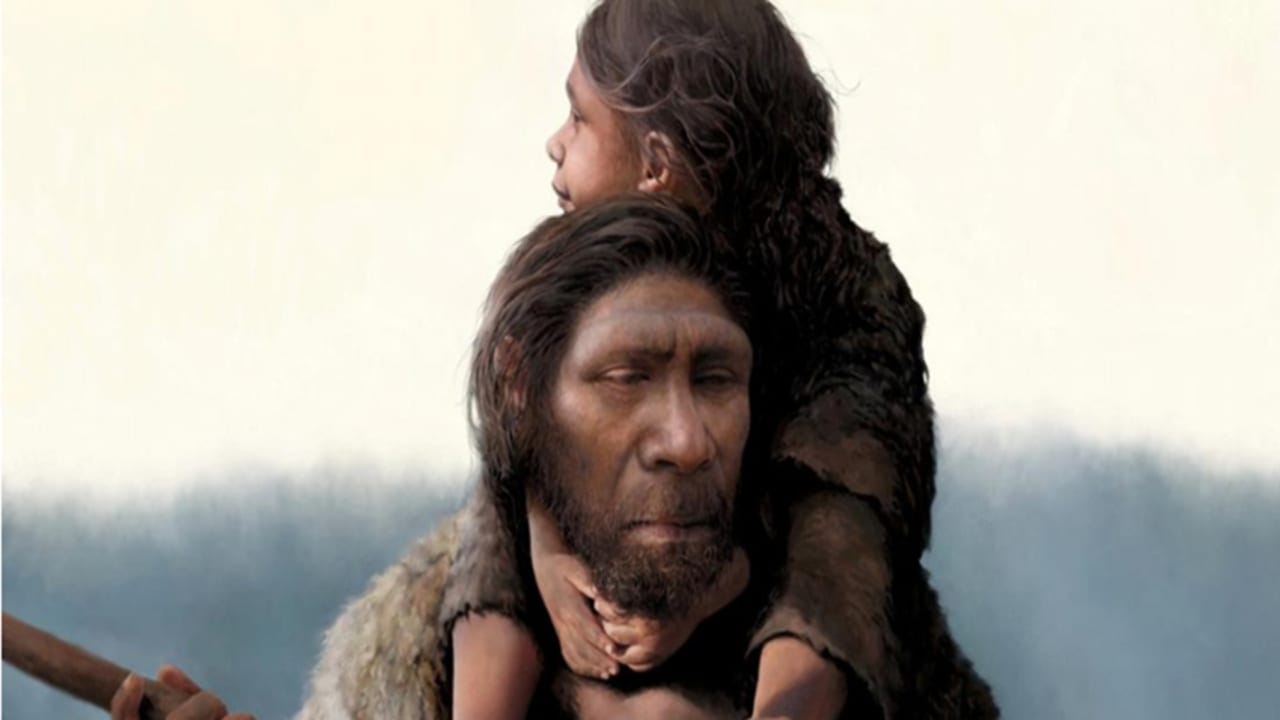
A new study of elephant teeth from the Neumark-Nord site in Saxony-Anhalt, Germany, portrays Neanderthals as systematic hunters. They managed resources from migrating herds of giant straight-tusked elephants over centuries, planned large-scale kills, and processed carcasses to extract maximum nutrition.
Researchers examined teeth from four elephants—three males and one likely female—using isotope analysis and palaeoproteomics to determine sex and reconstruct movements. Strontium, carbon, and oxygen isotope signatures traced journeys of up to 300 kilometers. Some bulls ranged over larger territories than females, a pattern similar to present-day African elephants, according to Discover Magazine.
Isotope analyses
The analyses tracked where elephants foraged and drank over time. Distinct geological regions left layered chemical signals in molars that grew over multiple years. “Thanks to isotope analyses, we can trace the movements of elephants almost as if we had a travel diary that has been preserved in their teeth for more than one hundred thousand years,” said Elena Armaroli, the study’s first author, The Independent. Strontium isotope measurements along molar growth showed that the animals spent several years in different European regions before converging on what is now Neumark-Nord. The team’s results suggest that massive bull elephants roamed far more widely than females during the Eemian warm period, implying seasonal or life-stage movements with predictable patterns on the landscape.
Archaeological and faunal evidence from Neumark-Nord indicates organized hunts, not chance encounters. Over at least 2,500 years, groups targeted elephants as a reliable source of meat and fat. They transported carcasses and systematically processed them at designated areas near a lakeshore. Researchers report that Neanderthals broke bones to access calorie-rich marrow in what they describe as “fat factories,” a planned approach to maximize extraction from large-bodied prey. Groups operated on a “minimum caloric efficiency” logic that weighed the effort of bone processing against energy gains.
Harsh winters
The fat and marrow would have been especially critical in harsh winter months and could sustain communities for weeks or even months. The archaeological record indicates they preserved prey for later use.
Around 125,000 years ago during the last interglacial period, the area was a resource-rich lake landscape in northeastern Germany. Lignite mining later exposed dense archaeological layers. The site has yielded fossil remains of more than 70 European straight-tusked elephants (Palaeoloxodon antiquus), making it one of the most important European paleontological locations for the species.
Previous research at Neumark-Nord has shown that Neanderthals hunted elephants, used fire for managing local vegetation, and exploited a variety of plant species. They selected lakeside zones for intensive carcass processing. Bone assemblages indicate work on at least 172 mammals besides elephants, including deer, horses, and aurochs, pointing to a broad subsistence base that complemented elephant hunting.
Study authors describe activity at Neumark-Nord as intensive, organized, and strategic. Hunts were planned, carcasses were transported, and fat was processed in a designated area. Evidence of long-distance elephant movements, combined with Neanderthals’ patterned use of the lakeshore, suggests that these human groups accumulated migration knowledge over generations.