The link between bananas and constipation is deeply rooted in culture and daily experience. Parents of children prone to constipation tend to remove bananas from the diet, and sometimes adults with digestive issues avoid them for fear of worsening their condition. However, when examining the scientific literature, it turns out the question is not whether a banana causes constipation, but which banana.
Biologically, a banana is a fruit that changes its chemical composition as it ripens. A green banana, which has not yet ripened, is rich in resistant starch, a type of carbohydrate that the body struggles to digest in the small intestine. This starch reaches the colon, where it slowly breaks down by gut bacteria. In some people, especially children prone to constipation, resistant starch may slow bowel activity and worsen the feeling of heaviness and constipation.
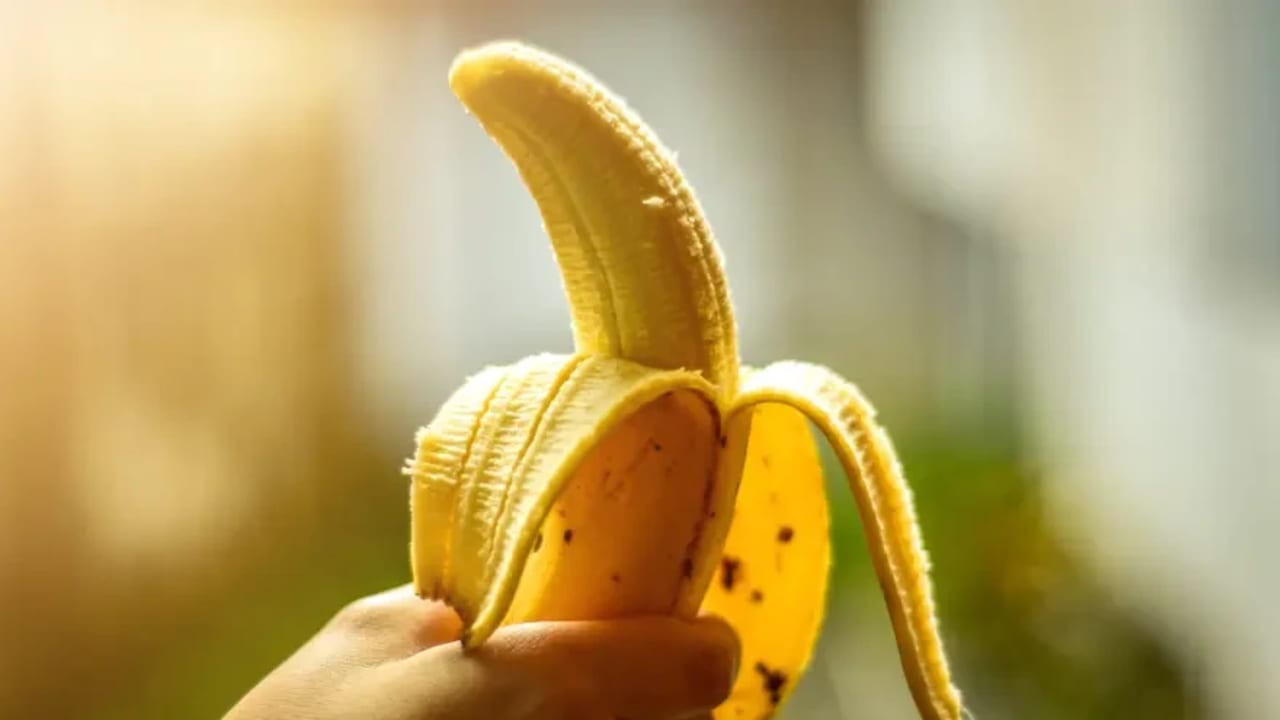
In contrast, as the banana ripens and its peel color changes from light yellow to yellow with brown spots, the resistant starch breaks down into simple sugars, and the fiber composition changes. A ripe banana contains a higher amount of soluble fibers, mainly pectin. These fibers absorb water, form a gel in the intestine, and contribute to softening stool and increasing stool bulk – a mechanism that actually helps relieve constipation.
Clinical literature supports this distinction. Bananas have been included for decades in the BRAT diet – an acronym for Banana, Rice, Apple, and Toast – a diet recommended for acute diarrhea. The logic is clear: Foods that are easy to digest slow down bowel movement. However, this context caused confusion, because what helps stop diarrhea does not necessarily cause constipation in a healthy person. Studies examining the effect of bananas as part of a regular diet found that among people without bowel diseases, consuming ripe bananas does not cause constipation and may even improve bowel activity due to their prebiotic effect.

Recent microbiome research indicates that soluble fibers in ripe bananas serve as a food source for beneficial gut bacteria. This process leads to the production of short-chain fatty acids, compounds known for their contribution to gut health and motility regulation. This means that a ripe banana, as part of a balanced, fiber-rich diet, may support regular bowel function.
However, it is important to qualify this. In infants and toddlers, the digestive system is still maturing, and the response to foods may differ from adults. Green or partially ripe bananas may burden digestion at a young age, especially when given in large amounts or as part of a low-fluid diet. Even in adults suffering from chronic constipation, insufficient fluid intake or a diet low in other fibers may cause a banana alone not to solve the problem, and it may sometimes be mistakenly perceived as a cause.
The overall nutritional context is critical. A banana does not act in a vacuum. Adequate hydration, consumption of vegetables, whole grains, and physical activity all affect bowel movement. When a banana is consumed as part of a varied, fiber-rich diet, its effect is entirely different than when eaten as a substitute for other foods.

The conclusion from the research is clear. There is no reason to boycott bananas altogether for fear of constipation. A green banana may worsen constipation in some people, while a ripe banana may actually help maintain normal digestive function. The difference is not in the fruit itself but in its stage of development.
Bottom line: Peel color is the most important indicator. A green banana tends to constipate, a yellow ripe banana tends to help. For most people, especially children and healthy adults, there is no reason to give up bananas – just choose the right ripeness and maintain a balanced diet.
Dr. Itay Gal is a specialist in pediatrics, sports and aviation medicine, and infectious disease researcher. Health writer and medical commentator for Ma’ariv and lecturer in medicine and innovation. For more articles click here.