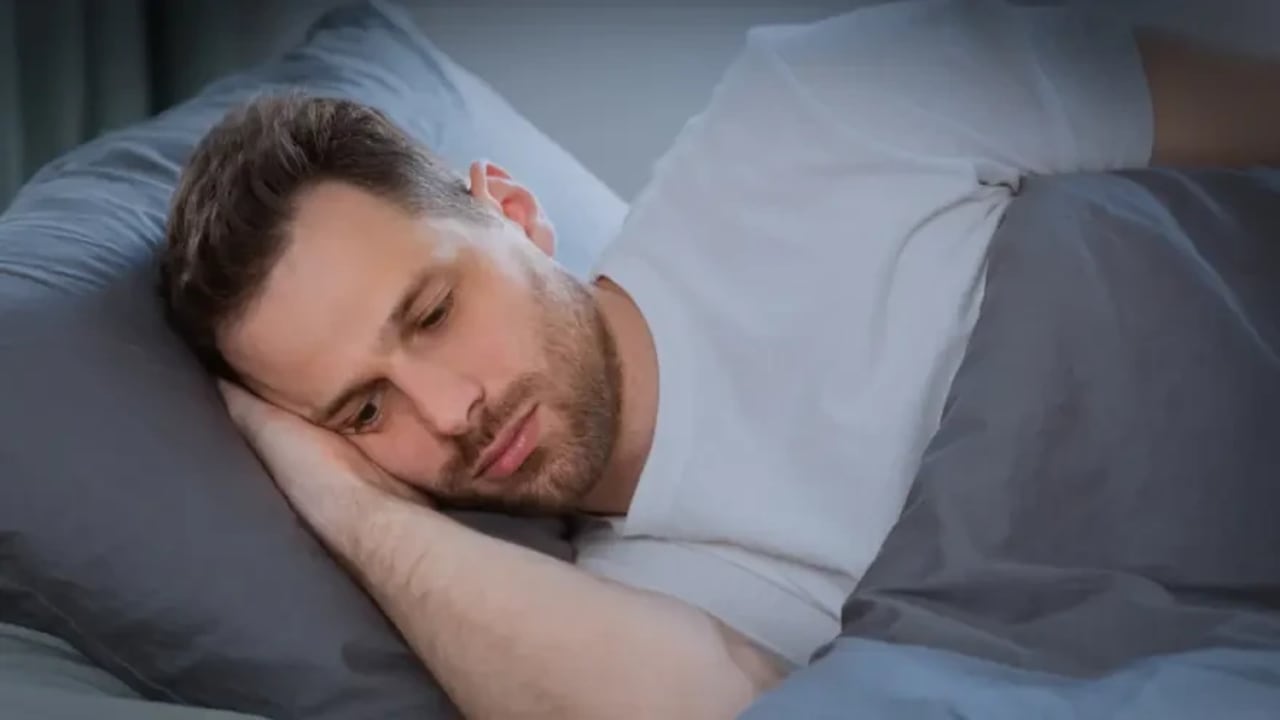
Sleep disturbances during war: The security reality imposed on the country’s residents over the past 18 days has created a national sleep crisis, as millions of Israelis find themselves jumping out of bed at the sound of sirens in the small hours of the night, an experience that interrupts deep sleep cycles and creates a state of constant alertness that prevents falling back asleep and essential recovery processes.
The Iran–Israel war that began two weeks ago has completely changed the routine of daily life, but the most significant impact is felt דווקא in the moments that are supposed to be the quietest of the day. The relentless sirens, which often arrive in the middle of the night, force entire families to run to shelters and protected spaces within just seconds.
This physical action, which is accompanied by a sharp increase in adrenaline levels and a rapid heartbeat, disconnects the body from a state of rest and shifts it into survival mode. The central problem is that after returning from the safe room, the body does not manage to return to a calm state easily. The brain remains in a state of hyper-alertness as it waits for the next siren, which creates very shallow sleep that does not allow the body to perform the essential repair and renewal processes that occur during deep sleep.
To understand the scale of the damage, it is necessary to remember that sleep is not just a temporary state of unconsciousness, but an active process that is critical for survival. During the night the body undergoes a series of maintenance actions without which the various systems collapse.
One of the most important processes is the cleaning of the brain from toxins and metabolic waste that accumulated during the day. During sleep, a special drainage system in the brain operates at ten times the intensity compared to wakefulness, and it is the one that prevents the accumulation of proteins associated with degenerative diseases.
Sleep is also the time when the brain performs memory consolidation. Information learned during the day undergoes processing and encoding into long-term storage, and this process is severely damaged when sleep is interrupted by sirens. From a physiological perspective, sleep is essential for regulating the hormonal system. During this time the growth hormone responsible for tissue and muscle repair is secreted, and the regulation of hunger and satiety hormones takes place.

This is why sleep deprivation often leads to weight gain and cravings for sweet foods and carbohydrates, which represent the body’s attempt to obtain quick energy instead of the rest it lacks.
The immune system is another major casualty. During sleep the body produces proteins called cytokines that help fight infections and inflammation. When people do not sleep enough, their production drops by 50% or more, which makes the population much more vulnerable to viral illnesses, especially in the crowded conditions of shelters and protected spaces.
Beyond the immediate fatigue, there are also safety risks: Driving under significant sleep deprivation has characteristics similar to driving under the influence of alcohol, which increases the risk of fatal road accidents. In workplaces as well, lack of concentration can lead to serious mistakes and even physical injuries for those engaged in technical or operational work. The long-term effects of the situation are even more worrying. Chronic sleep deprivation is directly linked to increased blood pressure. When the body is in constant stress and does not receive the rest it needs, cortisol levels in the blood remain high over time, which damages the walls of blood vessels and increases the risk of heart attacks and strokes. For patients who suffer from underlying illnesses such as diabetes, the lack of sleep may disrupt the balance of blood sugar levels and significantly worsen their medical condition.
The mental state is also directly affected. Sleep is the main tool of the mind for processing experiences and traumas. When sleep is fragmented, the brain cannot process the difficult events of the day, which increases the risk of developing symptoms of post-trauma and generalized anxiety.
In order to cope with this complex reality, experts recommend adopting several strategies that may help maximize the rest that is still possible. It is highly recommended to avoid consuming news and watching difficult videos for at least an hour before going to sleep, since these stimuli increase anxiety levels and make it harder to fall asleep. It is advisable to try to create the most comfortable sleep environment possible, even if sleeping in the protected space. Using a comfortable mattress, a familiar pillow, and perhaps even an eye mask or earplugs may improve the quality of the limited sleep. If the sirens or mobile alerts can be clearly heard in the protected space, it may be worthwhile allowing yourselves to fall asleep there in advance in order to avoid the panicked awakening and the run through corridors, which raises the heart rate to levels that are difficult to bring down.
During the day, if the security situation allows it, it is advisable to take short naps of 20 minutes. Such naps can help refresh the brain without entering the stage of deep sleep that would leave you groggy afterward.
From a nutritional perspective, it is preferable to reduce caffeine consumption from the early afternoon hours, since it may further make it difficult to fall asleep in a state of stress. Techniques of deep breathing and progressive muscle relaxation can help the body move from a fight-or-flight state to a relatively calmer state. It is also possible to make use of natural over-the-counter products such as herbal tea containing calming substances like chamomile, passionflower, or valerian, which may help lower tension levels before going to bed. It is important to remember that even if you sleep fewer hours than usual, the quality of those few hours is critical.
The current situation requires us to make adjustments and understand that our functioning will not be at its peak at 100%. Expectations regarding productivity at work or in managing the household should be lowered, while focusing on maintaining basic health. Statistics show that more than 70% of the population in Israel report sleep difficulties since the beginning of the fighting, so this is a widespread phenomenon and not merely a personal feeling.
If the sleep disturbances continue for a long time or become extreme and are accompanied by strong heart palpitations or a sensation of choking, a doctor should be consulted for professional advice in order to examine temporary medicinal assistance or another intervention that may help in getting through this difficult period.