
Sleep is one of the central anchors of our physical and mental health, but it is also the first to be affected in situations of pressure and stress. In a special webinar by the Tel Aviv University Alumni Organization, Dr. Michal Kahn presented the most up-to-date research from the field and practical ways to cope with sleep disorders in the shadow of the war.
Sleep is not just rest time – it is an active and critical process. It is essential for growth, especially in children, for body recovery, for clearing toxins from the brain, and for preserving memories. However, in wartime situations, our nervous system enters a state of “hyperarousal”. The sympathetic system operates intensely, disrupts the ability to self-soothe, and makes it difficult for us to fall into the much-needed sleep for recovery.
The war in numbers: What is happening to Israelis’ sleep?
Dr. Michal Kahn, a clinical psychologist, senior lecturer, and head of the Kahn Sleep Lab at the School of Psychological Sciences at Tel Aviv University, a graduate of three degrees at the School of Psychological Sciences in the Faculty of Social Sciences at Tel Aviv University, presented worrying but important data from a study conducted since October 7:
• Increase in insomnia: The prevalence of insomnia in the adult population in Israel rose by 19% during the war.
• Sleep is shortening: A study conducted in June 2025 (during Operation “Am KeLavi”) found that the average sleep duration during the war is shorter by 73 minutes compared to peacetime.
• The siren effect: A night with a siren shortens sleep by an average of 39 minutes and adds 34 minutes of prolonged wakefulness compared to a night without sirens. Beyond fatigue, people who experienced sirens reported the next day a low mood and increased symptoms of anxiety and depression.
• The protected space matters: It was found that those who slept in a home safe room suffered less impact on sleep quality and duration compared to those who had to go out to a shared or public protected space.
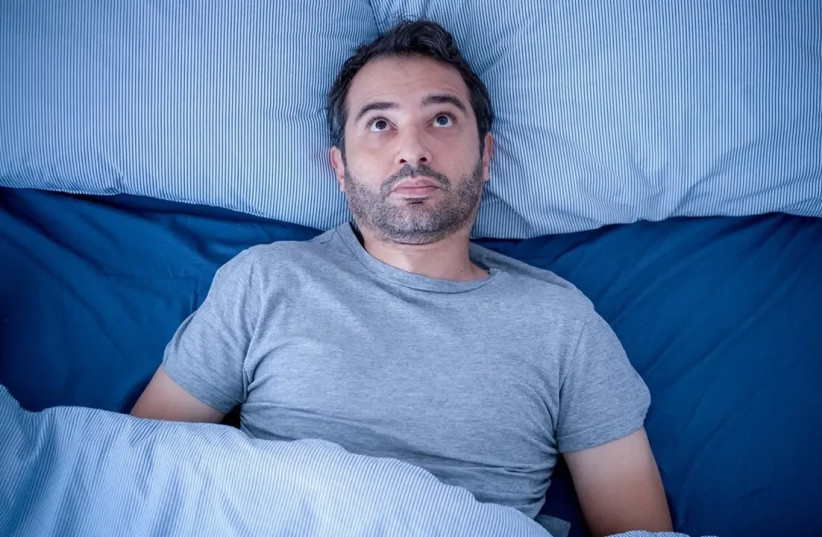
Insomnia: When difficulty becomes a habit
The most common sleep disorder is insomnia – difficulty falling asleep or waking up too early. In children, this may appear as resistance to sleep or increased dependence on parents in order to fall asleep.
Why does this happen?
1. Predisposition – genetics, a tendency toward anxiety, or perfectionism.
2. Triggers – significant life events (such as war or trauma).
3. Maintaining factors – this is the critical stage. Sometimes the war ends, but the habits we adopted under stress (such as alcohol consumption, increased caffeine, or prolonged time in bed without sleep) reinforce the new sleep habits we adopted, and attention should be paid to this.
<br>Toolkit: How to get sleep back on track?
Dr. Kahn emphasizes: “If it isn’t broken – it doesn’t need fixing”. If you are generally sleeping well, even if there is a slight change due to the situation, continue as usual. But if you are experiencing difficulties, here are the recommended “sleep hygiene” principles:
1. Be consistent with bedtime and wake-up times: Even on weekends! Our body likes consistency. Try to maintain fixed wake-up and bedtime hours, even on weekends.
2. Get exposure to morning sunlight: Exposure to sunlight in the morning helps synchronize the biological clock.
3. Engage in physical activity and stay in motion.
4. Maintain a balanced and healthy diet.
5. Reduce stress factors as much as possible: Separate the bed from stress – our sleep responds to conditioning. If we lie in bed for hours while awake and tense, the brain associates the bed with wakefulness. Use the bed only for sleep. If you are not falling asleep, it is better to leave the room and return only when you feel tired.
6. Limit and advance naps to maintain “sleep drive”: In order to fall asleep quickly, our body needs to accumulate enough “homeostatic sleep pressure”. If you take naps, make sure they are short and as early as possible, so as not to reduce the sleep pressure needed to fall asleep and to create continuous night sleep.
<br>Toward the night: Sleep hygiene
1. Avoid consuming caffeine and alcohol.
2. Dim the lights to encourage the release of melatonin that helps the body prepare for sleep.
3. Engage in a calming activity – an opportunity for quality time with family members.
4. Establish a bedtime routine, for example: Dinner, a shower, watching a calm program on television, drawing and reading, practicing mindfulness, or muscle relaxation through breathing. A bedtime routine can also be relevant for adults and not only for children – the goal is to signal to the nervous system that it is possible to slow down.
Sleep hygiene – immediately before sleep and during the night
1. Maintain a fixed bedtime every night.
2. Maintain consistent sleep conditions every night – the same room, the same bed.
3. Turn off the lights except for a small light if it reduces anxiety.
4. Make sure the room is not too warm – recommended temperature for sleep is 18–20 degrees.
5. Make sure the sleep environment is quiet and calm.
6. Avoid bringing screens into the bedroom – screens can be used, but preferably outside the room. If screens are used, non-stimulating content is recommended, and it is advisable not to read news on the mobile phone or answer emails in bed right before sleep.
In conclusion, most sleep disorders during wartime are temporary and pass with the return to routine. However, if the difficulty continues for more than three months or significantly impairs daily functioning, it is important to seek professional advice from a doctor or psychologist.