Iran-US talks deepened understanding but mistrust remains, parliament speaker Ghalibaf says
Some of the main disagreements during the talks, Ghalibaf said, were focused on the Strait of Hormuz and nuclear issues.
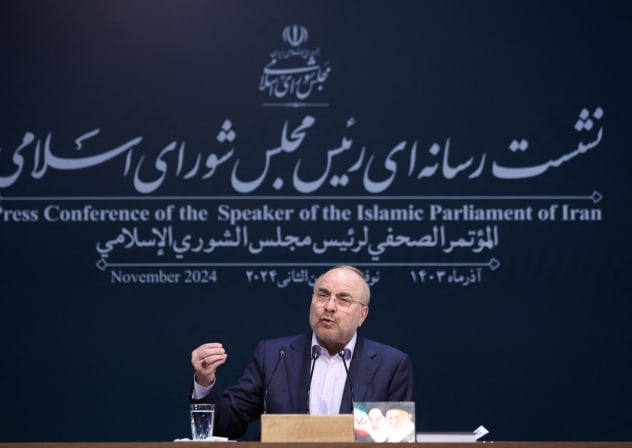
Some of the main disagreements during the talks, Ghalibaf said, were focused on the Strait of Hormuz and nuclear issues.


Amid a fragile ceasefire, Iranians face mounting concerns about their future, with an economy in tatters and fears of growing government control.

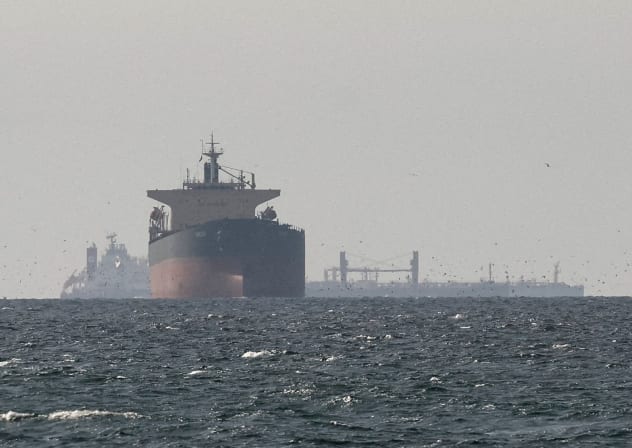
Strait of Hormuz traffic falls to single digits • Kamala claims Netanyahu dragged Trump into Iran war • IRGC says it will target vessels in Hormuz, orders vessels to stay anchored

Iranian Parliament Speaker Mohammad Bagher Ghalibaf asserted that the US "did not win the war with these lies," adding that "they will certainly not get anywhere in negotiations either.”

Iran has "agreed to everything," said Trump, adding that the current US blockade against Iranian traffic in the Strait of Hormuz will remain until a deal is reached.

Iran lost hundreds of billions, which could destabilize vulnerable Mojtaba Khamenei; 60% uranium to be removed in US deal.

Iranian Foreign Minister Abbas Araghchi said on Friday that ships wanting to cross the Strait will need to do so on the coordinated route announced by the Islamic regime.

Two dozen jets, along with Pakistan's Airborne Warning and Control System for aerial surveillance, were deployed to escort the Iranian delegation back from Islamabad.

IDF officers in southern Lebanon report they were not informed of ceasefire deal • Lebanon president says ceasefire should move to permanent agreements • Trump: Iran will hand over uranium
The officials recommended that the existing ceasefire between the US and Iran be extended, so as to allow for a more suitable timeframe in which to make the deal.

As of April 15, Hormuz remains heavily disrupted, the Red Sea remains under credible threat, and both waterways are central to the strategic contest now unfolding.