Netanyahu bloc falls to 48 seats as opposition reaches 54, days before election - poll
A final Maariv poll shows the opposition widening its lead, with Eisenkot ahead of Netanyahu and 60% of Israelis favoring a unity government.

A final Maariv poll shows the opposition widening its lead, with Eisenkot ahead of Netanyahu and 60% of Israelis favoring a unity government.


"I'm going to be focused on the midterm elections here in the United States of America," Vance told reporters.

Meridor told the 'Post' that Netanyahu had prioritized his own political interests and electoral base over the needs of the country, deepening divisions within Israeli society.

"It's gonna be our government. We decide what the policy is,” Netanyahu told The Jerusalem Post. He did not name a candidate for defense minister.

PM threatens to respond with force and might if Iran makes a “big mistake,” claims Tehran was “on the verge of atomic bombs” • Full interview to be published Thursday
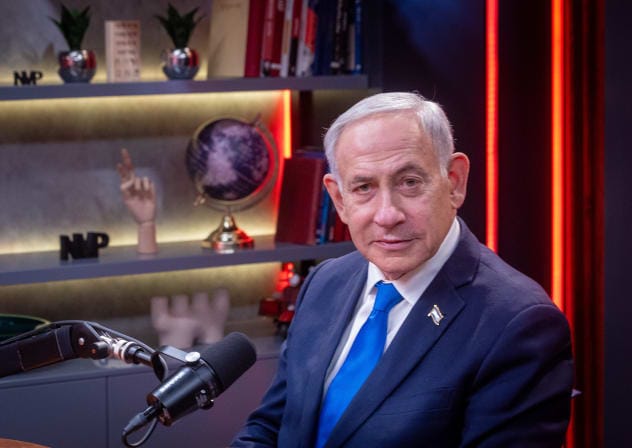
The finance minister additionally stated that he would offer Winter a directorate for haredi (ultra-Orthodox) enlistment and integration into the workforce.

Winter's comments came as he stressed his party would remain in the running amid ongoing pressure to resign from Prime Minister Benjamin Netanyahu and RZP's Bezalel Smotrich.

"Absolutely not. I will not serve under Netanyahu, not even in a rotation agreement. If that happens, you'll see it, I'll resign an hour later," Eisenkot said.

Sixty percent of respondents said they would consider voting for a non-Arab party if it presented a clear plan to address issues important to them.

The polling average put the Zionist opposition at 51.25 seats, compared with 51 for Prime Minister Benjamin Netanyahu's bloc, a near-perfect tie.

"The IDF is a national, state-oriented army that will do everything necessary to ensure the elections proceed as planned," IDF Elections Officer, Col. Vered Ben Yehuda said.
