Israeli security forces have secured more than 150 coordinated olive harvest operations across the West Bank in recent weeks, with approximately 90% of the coordinated harvests completed as the season draws to a close, the security establishment announced this week.
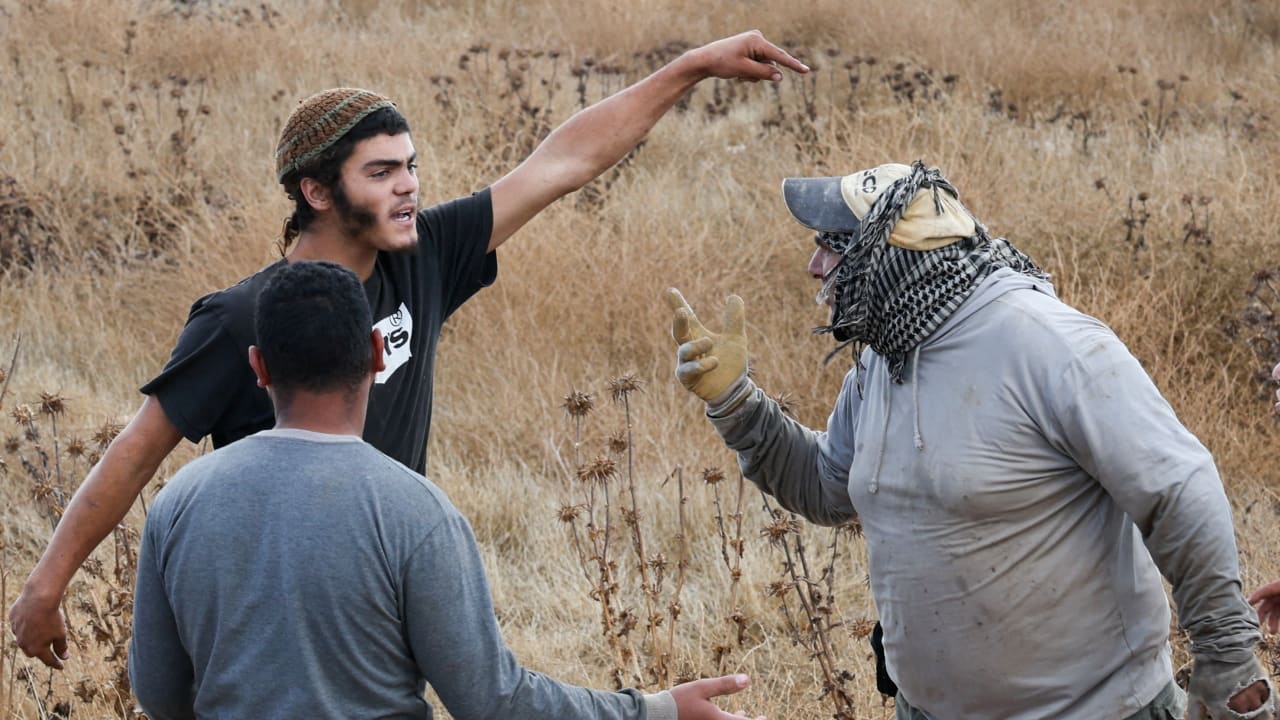
The operations, conducted in cooperation with the Civil Administration, were intended to prevent friction between Israeli settlers and Palestinian farmers and ensure that the harvest could proceed safely.
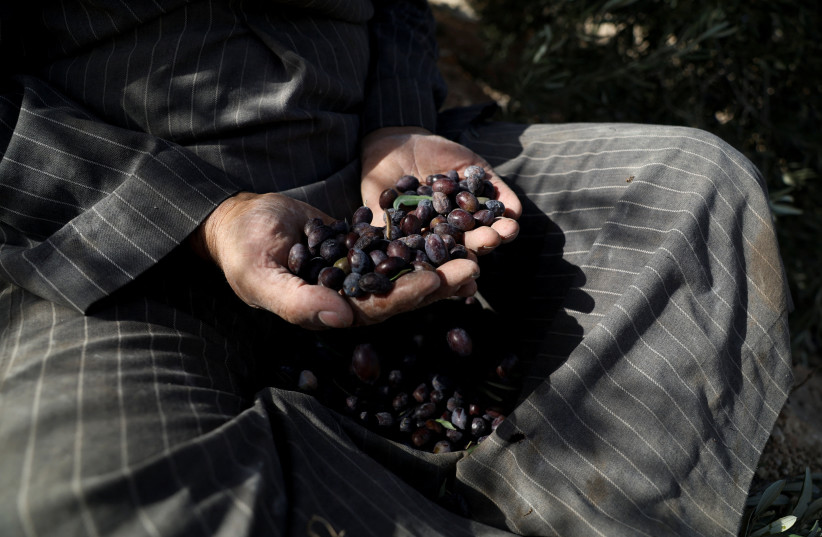
According to Civil Administration figures, approximately 16,000 to 17,000 tons of olives have been harvested across the West Bank this season, and the total harvest is expected to generate about NIS 900 million in revenue.
The Civil Administration told The Jerusalem Post that the revenue estimate covers the entire West Bank olive harvest, and the remaining coordinated harvest operations are expected to be completed in the coming days.
Security forces reject allegations of interference with olive harvest
The security establishment maintained that recent violent incidents surrounding the harvest account for only a small percentage of areas across the West Bank.
According to the statement, coordinated harvest operations secured by Israeli forces have proceeded “without unusual incidents,” with troops intervening to restore order when necessary.
Security forces also rejected allegations that they had deliberately prevented Palestinian farmers from harvesting their olives, describing such claims as false.
However, the Civil Administration clarified to the Post that the 90% completion figure refers specifically to harvests coordinated in advance with Israeli authorities, rather than the overall harvest season.
The IDF was unable to provide figures on the number of Palestinian farmers who were unable to access their agricultural land or secure coordination for harvesting.
The military also did not have figures available on the total number of violent incidents involving settlers, Palestinian farmers, or security forces during the current harvest season.
Violence and restrictions overshadow West Bank olive harvest
The security establishment's assessment comes amid reports of violence against Palestinian olive harvesters and allegations that Israeli settlers and security forces have prevented farmers from accessing their land.
In October, six Palestinian farmers petitioned the High Court of Justice, alleging that soldiers and settlers had prevented or severely restricted access to their agricultural land near Nahalin since October 2023.
The petition, submitted through the Association for Civil Rights in Israel, described blocked agricultural roads, threats and violence by settlers, and soldiers ordering farmers to leave their land.
The petitioners argued that the restrictions had damaged their livelihoods and prevented them from cultivating their land.
Violent incidents were also reported throughout the harvest season.
On October 16, American photojournalist Heidi Levine was injured in an attack by extremist Israeli settlers near Abu Falah, northeast of Ramallah, while accompanying Palestinian farmers and activists during the olive harvest.
Levine described being beaten with sticks and kicked by attackers, with Palestinian youths attempting to protect her.
The following day, approximately seven masked settlers allegedly attacked Palestinian olive harvesters near Taybeh, where European diplomats were present. A vehicle belonging to the Belgian consulate was damaged, and police opened an investigation.
Between October 1 and November 16, Israeli rights group Yesh Din documented 446 incidents targeting Palestinian people and territory relating to the olive harvest, including 219 cases of violent assault and 209 cases of theft and property damage across the West Bank.
Of the reported incidents, over 100 of them allegedly occured with security forces present. The figures were reported by the organization and were not independently verified by the Post.
Despite the reported incidents, the security establishment said in its latest statement that it takes violence and criminal activity from all sides seriously and works to protect residents and enforce law and order.