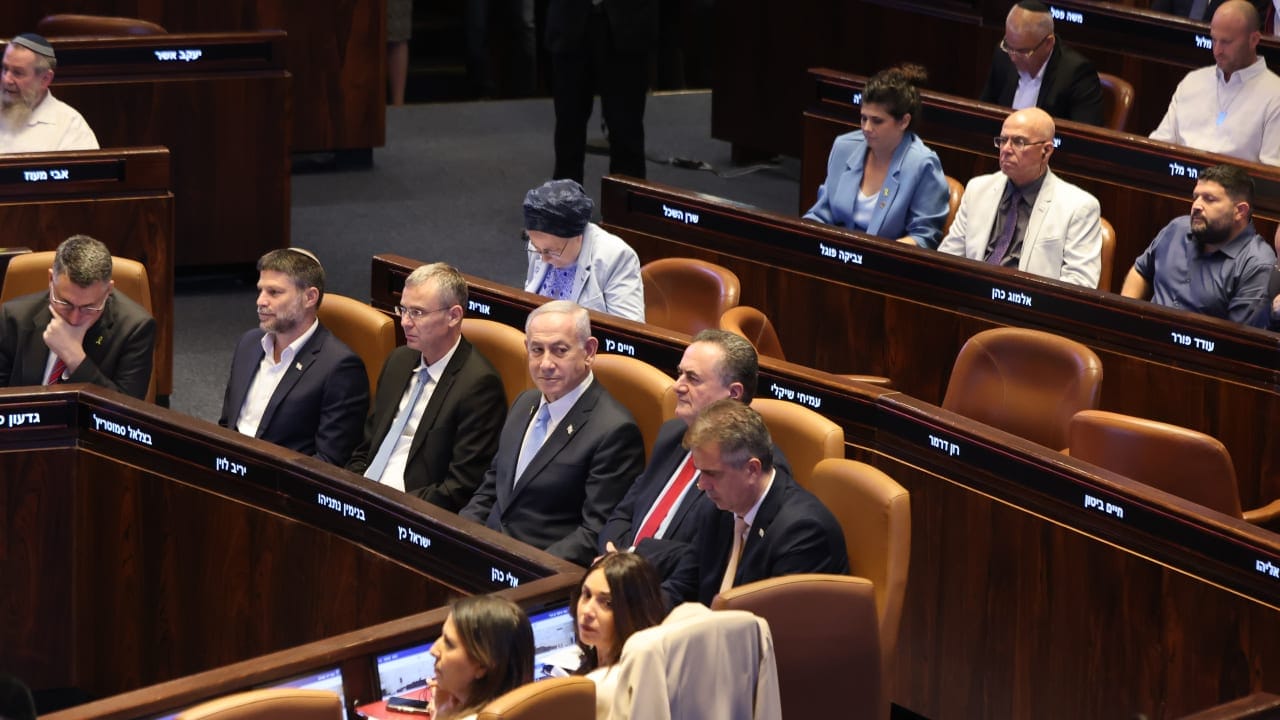
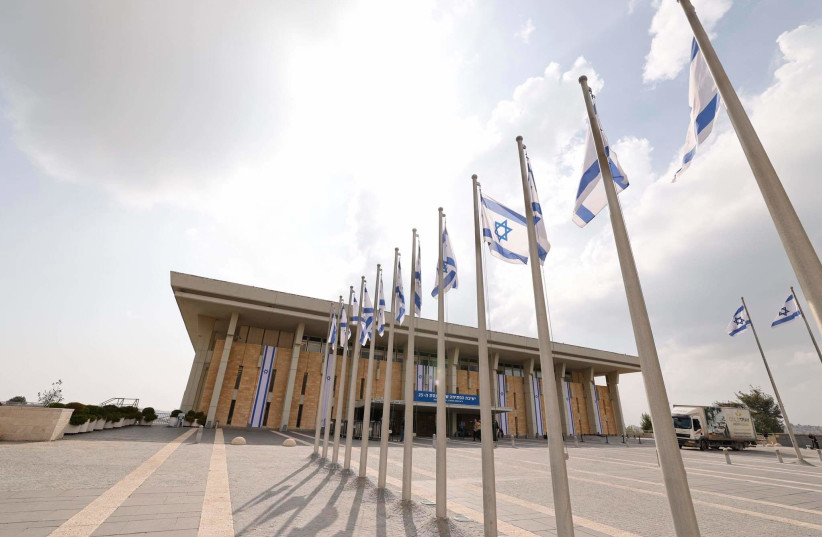
The 2026 state budget vote is expected to be brought to the Knesset’s plenum for a first reading vote on Wednesday, amid the ongoing crisis in Prime Minister Benjamin Netanyahu’s coalition with the two haredi (ultra-Orthodox) parties, Shas and United Torah Judaism, over the controversial haredi draft law.
Without support from the haredi parties, the passage of the state budget will likely fall through, triggering early elections.
By law, if the state budget is not approved in all three readings by the end of March, when the fiscal year closes, the Knesset will automatically dissolve, and elections will be called.
Reports have indicated that the agreements have been made with the haredi parties to agree to vote in favor of the state budget on Wednesday.
However, this was also the case on Monday, before the budget vote was cut from the Knesset plenum’s schedule at the last minute, leading to a dramatic day of meetings to hastily form new agreements.
Netanyahu then carried out emergency meetings with Shas Party leader Arye Deri, MK Moshe Gafni from United Torah Judaism, and Finance Minister Bezalel Smotrich on the matter.
MK Vladimir Beliak (Yesh Atid) said that he was still not convinced that the state budget would be brought for a vote on Wednesday, while speaking to The Jerusalem Post on Tuesday.
Beliak added that the opposition would do everything possible to stop the state budget from being passed when it was brought for a vote.
A UTJ source said he was unaware that new agreements made with the coalition regarding the draft bill and the state budget, speaking to the Post on Tuesday.
Smotrich demands to bring budget to vote rather than continue postponing
Smotrich reportedly had threatened Netanyahu on Monday that he would prefer to bring the state budget to a vote and have it fall through, resulting in early elections, rather than continue postponing it.
The finance minister later released a statement that he no longer wants the state budget to be connected to the haredi draft bill negotiations.
Opposition leader Yair Lapid (Yesh Atid) responded to Smotrich’s threats on Monday, saying that he was “not convinced.”
“We all know that in the end you’ll cave again, like always,” Lapid said.
The government is on a limited schedule to bring the state budget for the first reading vote, according to Israeli law.
The law stipulates that at least 60 days must pass between the approval of the state budget’s first reading and its subsequent second and third readings.
This means the bill must clear its first reading this week to make it before the March deadline.
Netanyahu has been left without a stable coalition majority since July, following the collapse of negotiations over the haredi conscription legislation, which led haredi parties to exit the government.
Both haredi parties have threatened to withhold support for the state budget unless agreements are reached on the draft law to avoid conscription. They have also threatened to vote against the state budget if the haredi draft bill is not passed beforehand.
Critics of the draft bill outline argue that the current outline fails to enforce haredi conscription and serves primarily as a political measure to appease the haredi parties. The IDF has repeatedly said it is in urgent need of more manpower, especially after over two years of war.
On Tuesday, a full day of meetings in the Knesset’s Foreign Affairs and Defense Committee to advance the haredi draft bill continued.
The Knesset Foreign Affairs and Defense Committee’s legal adviser has criticized certain sections of the haredi draft bill that require changes.
The meeting broke into clashes when former committee chairperson MK Yuli Edelstein (Likud) said lawmakers from the haredi parties had lied to him last year when he had been leading the developments on the draft bill.
Head of the IDF’s personnel planning branch, Brig.-Gen. Shai Tayeb told the panel later that about 80% of those in the country currently classified as draft evaders or under a pre-draft evasion order are haredim.