Shmini Atzeret haftarah: The Temple Mount is no longer silent
Shmini Atzeret’s Temple haftarah takes on new meaning as Jews increasingly pray and perform mitzvot on the Temple Mount.
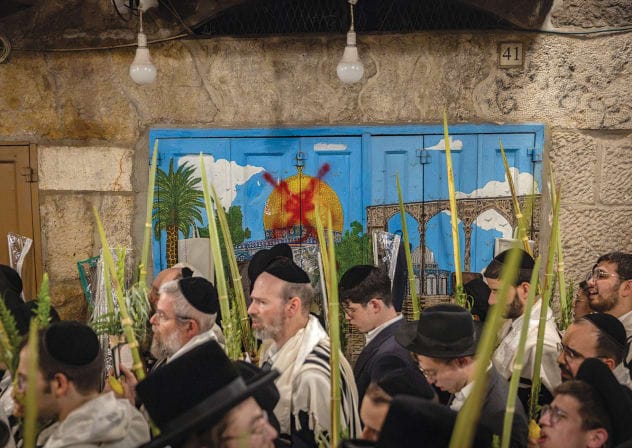
Shmini Atzeret’s Temple haftarah takes on new meaning as Jews increasingly pray and perform mitzvot on the Temple Mount.


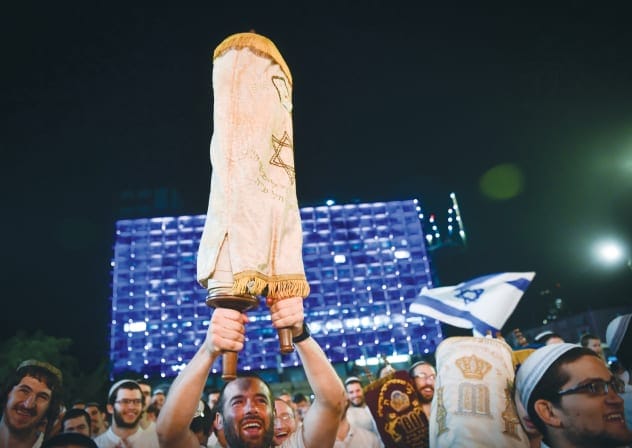
This, I think, is the message of Simchat Torah: to hold firmly in one’s imagination the joyful possibility of a year made truly new.
The structures may be temporary, but creating them with attention to these minute details allows God’s presence to dwell among us.

The word yizkor means 'He shall remember.'

Should Torah exist apart from society or be fully integrated within it?

The great secret of the Jewish people has always been the ability to join tear to tear, soul to soul, until together they form a whole garment once again.

As you step into the sukkah, or pause anywhere in your day, may you discover that joy is not distant or elusive. It is here, waiting, in the present moment.

The sukkah reminds us that we are not so powerful. We must be humble and remember that everything we eat, everything we own, and our military successes all depend on God.

From the groves of Corfu and Cephalonia to the orchards of Tiberias and Jaffa, the saga of the etrog under Ottoman rule reveals how a fruit became entangled in struggles of faith and trade.

I was a seven-year-old army brat, a Norfolk Tars baseball fan, and my father, Lt.-Col. Louis Geffen, had finally completed his six-year tour of duty as a judge advocate in World War II.

Many IDF soldiers found ways to commemorate the holiday on the frontlines in the Sinai Desert in the South and on the Golan Heights in the North.
