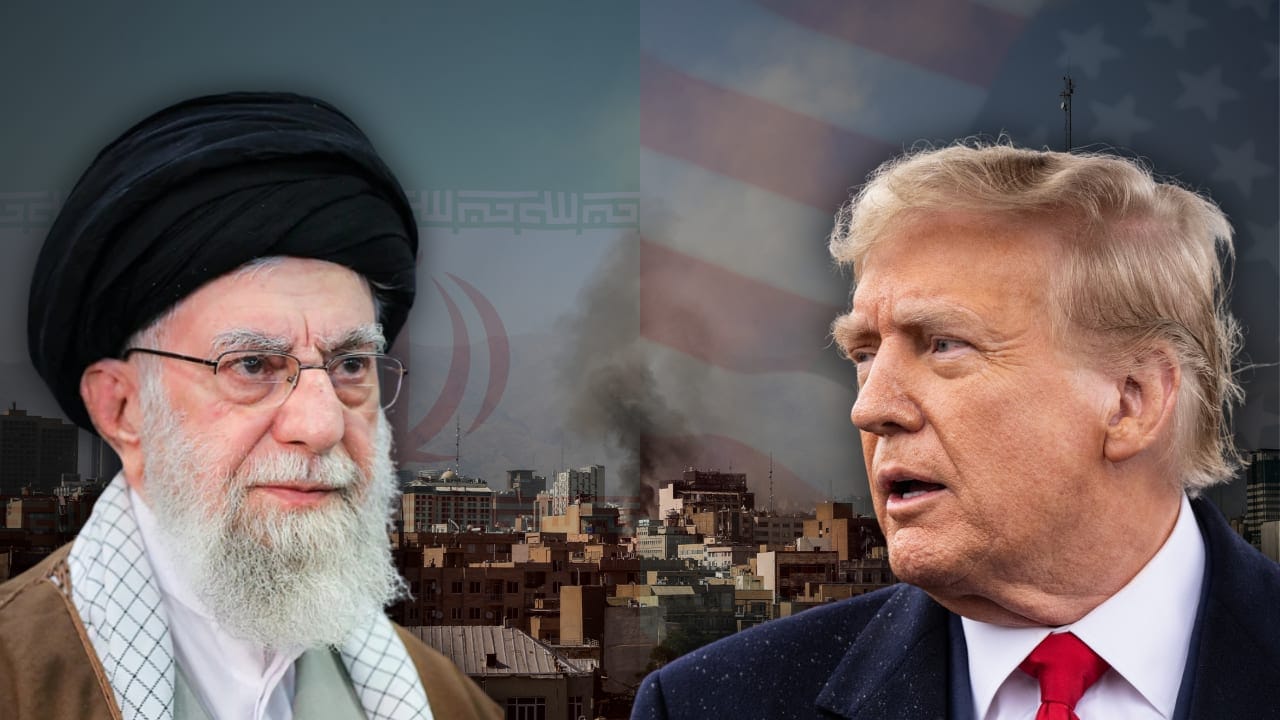
The US airstrikes on Iran and Iran’s response helped pave the way for a US-backed ceasefire that ended 12 days of fighting between Israel and Iran last Tuesday.
The ceasefire was backed by Qatar. A week later, however, it is unclear if the US and Iran will sit down again and talk. They had been talking prior to the Israeli airstrikes on June 13, and there had been six rounds of talks.
The Middle East and the wider global community are keeping an eye on what might come next. Messaging matters from both the White House and Tehran.
For instance, US President Donald Trump appears to be asserting that the US airstrikes on Iran destroyed the Iranian nuclear program. If so, that makes it less urgent for the US to reach a deal with Iran regarding enriching uranium.
The theory is that since Iran’s nuclear program has been set back many years, then the US can wait and not need to run toward a deal. Having argued that Iran’s nuclear program is destroyed, the White House would feel strange walking into a deal that discusses enrichment and other aspects of the program. In short, there’s less to talk about now.

Tehran, meanwhile, doesn’t seem to trust the current ceasefire and wants to make sure that if it accepts a new round of talks, it won’t be bombed again. Iran also seems to feel betrayed and humiliated by the airstrikes. This makes sense, since no country wants to be bombed into submission.
On the other hand, the Iranian regime wants to portray its nuclear program as having been less affected than the US and Israel seem to be implying. It is in Iran’s interests, apparently, to pretend it didn’t suffer many losses in the 12-day war.
Nevertheless, Tehran also has to play its cards correctly, because if it brags about moving toward a nuclear weapon, it will possibly invite more fighting with Israel.
It is unclear if Iran will return to the negotiating table
Tehran’s deputy foreign minister said that the “US must rule out any further strikes on Iran if it wants to resume diplomatic talks,” the BBC reported on Thursday.
“Majid Takht-Ravanchi said the Trump administration told Iran through mediators that it wanted to return to negotiations this week, but had not made its position clear on the ‘very important question’ of further attacks while talks are taking place,” the report said.
This presents a complex puzzle. The US doesn’t feel urgency to resume the talks. Iran doesn’t trust the ceasefire and wants promises from the US. The US feels it has won, and that Iran has lost, and Trump wants the Iranian regime to bend its knee.
Tehran, which had been stalling the talks before June 12, is not sure what to do next. This uncertainty could be bad for the region.
It’s likely that Qatar, Oman, and other countries that have contacts with Washington and Tehran, would like to see some kind of stability.
If there is no deal, agreement, or more talks, then the region can likely assume a new round of crisis might be coming.